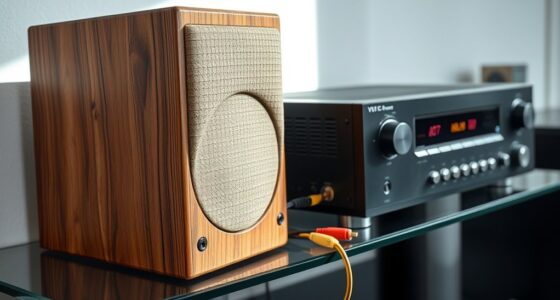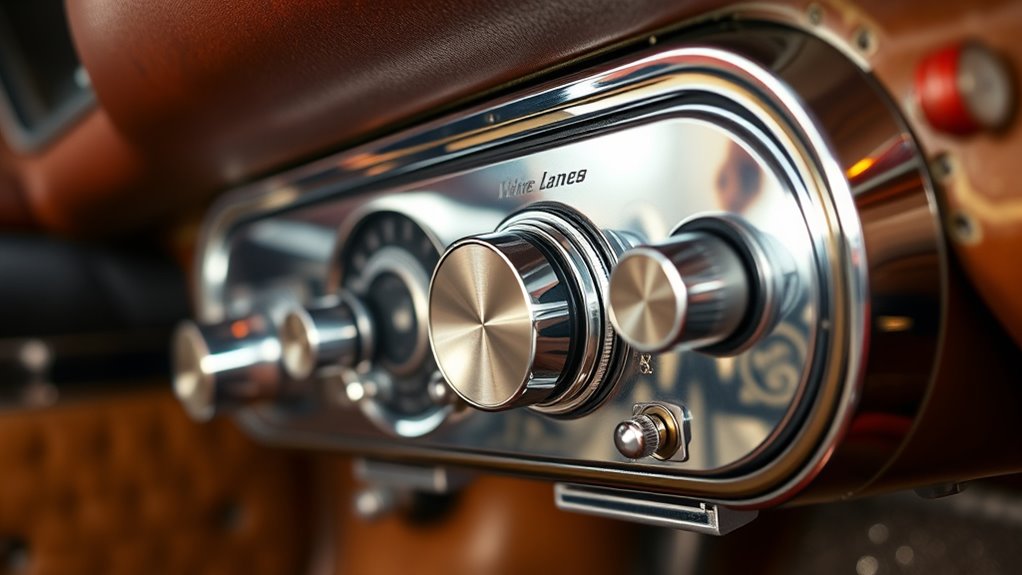
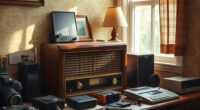
Restoring vintage car audio involves carefully preserving original components and authentic design, blending old craftsmanship with modern upgrades. You can gently disassemble and clean parts, replace worn elements with period-appropriate components, and add discreet tech like Bluetooth receivers or modern speakers that fit vintage enclosures. Patience and precision are key to maintaining authenticity while improving sound quality. If you keep exploring, you’ll discover how to balance vintage charm with modern functionality for an authentic audio experience.
Key Takeaways
- Carefully disassemble and clean vintage stereos to preserve original components and prevent corrosion.
- Source authentic, period-specific parts for repairs to maintain originality and authenticity.
- Integrate modern features like Bluetooth and discreet amplifiers while preserving vintage aesthetics.
- Use gentle handling and precise soldering techniques to restore circuitry without damaging delicate parts.
- Balance modern upgrades with original design to create a functional, authentic vintage sound experience.

Have you ever wondered how to bring classic car interiors to life with authentic sound? Restoring vintage car audio isn’t just about installing speakers; it’s about preserving a piece of automotive history while making it functional for modern use. To do this effectively, you need to understand the car audio history—how audio systems evolved from simple radio receivers to complex entertainment hubs. This knowledge helps you appreciate the original design and guarantees your restoration respects the car’s era. Restoration techniques play a crucial role here. They involve carefully repairing or refurbishing the original components, often requiring meticulous work to preserve authentic features. For example, restoring a vintage radio might involve carefully disassembling the unit, cleaning internal parts, and replacing worn-out capacitors or tubes with period-appropriate replacements. This approach maintains the originality of the system while improving its reliability and sound quality.
Restoring vintage car audio preserves history while enhancing sound quality through careful, authentic refurbishment techniques.
When you delve into restoring old car stereos, you’ll find that patience and precision are essential. Many vintage systems feature delicate circuitry that can easily be damaged if handled improperly. Using the right tools and techniques, like gentle cleaning methods and accurate soldering, helps you avoid damaging the original parts. Sometimes, you might need to source rare parts that match the original specifications, which requires research and patience. The goal is to keep the aesthetic and functional integrity of the vintage system intact while integrating modern upgrades subtly. For example, you can install a small, discreet Bluetooth receiver to enable wireless streaming without altering the vintage appearance.
Another key aspect of restoration is updating the speakers and wiring. Even if the original speakers are beyond repair, you can find modern replacements that fit within the vintage enclosures, providing better sound without compromising the look. When rewiring, it’s important to use high-quality, period-appropriate wiring to preserve the authenticity. Additionally, you may consider installing a modern amplifier discreetly behind the dash to boost sound output, guaranteeing that your vintage system delivers clear, powerful audio. To ensure that your restoration process respects the original design, researching authentic components and their specifications is invaluable. Throughout this process, documenting each step helps you keep track of modifications and guarantees that your restoration remains true to the original design.
In essence, bringing vintage car audio back to life combines an appreciation for the car audio history with hands-on restoration techniques. It’s about blending the old with the new—respecting the craftsmanship of the past while enhancing the listening experience for today. With patience, skill, and a keen eye for detail, you can transform your classic car into a rolling tribute to automotive and audio history, delivering authentic sound that feels just right in a vintage setting.

Bluetooth Retro Radio for Classic Vehicles: Single Din Vintage Stereo for Car – AM FM Tuner USB AUX Input Subwoofer RCA Output
Bluetooth Connection & Built-in Mic: The single din head unit is seamlessly paired with Bluetooth, you have the…
As an affiliate, we earn on qualifying purchases.
As an affiliate, we earn on qualifying purchases.
Frequently Asked Questions
How Do I Identify the Model of My Vintage Car Stereo?
To identify your vintage car stereo model, start by inspecting the front panel for a manufacturer name or model number label. Check the serial number location, usually found on the back or side of the unit. Use this serial number for model identification online or in service manuals. Taking clear photos can help when searching for specific details or contacting specialists, making the restoration process smoother.
Can I Install Modern Bluetooth in Vintage Stereos?
Think of your vintage stereo as a classic ship needing a modern compass. You can install Bluetooth integration to enable wireless streaming, transforming your old stereo into a tech-savvy vessel. By adding a Bluetooth adapter, you get seamless wireless streaming from your devices, blending nostalgia with convenience. Just make sure the adapter matches your stereo’s inputs and outputs, so you sail smoothly into the era of modern audio.
What Tools Are Needed for Restoring Old Car Radios?
To restore old car radios, you’ll need basic tools like screwdrivers, soldering iron, multimeter, and cleaning supplies. These tools help you apply restoration techniques to repair and refurbish components while maintaining historical accuracy. A gentle brush and isopropyl alcohol clean contacts, ensuring good connections. Carefully disassemble, test, and replace faulty parts, preserving the original look and feel of the radio, so it stays true to its vintage charm.
Are There Compatible Aftermarket Parts for Vintage Car Audio?
Yes, there are compatible aftermarket parts for vintage car audio, but your success depends on aftermarket compatibility and part sourcing. You can find modern components designed to fit or adapt to your classic stereo, making restoration easier. Always verify the compatibility of parts before purchasing, and explore specialty suppliers or online marketplaces, as they often carry vintage-specific or adaptable components to help you restore your stereo with modern functionality.
How Can I Preserve the Original Appearance During Restoration?
To preserve the original appearance during restoration, focus on authentic restoration techniques that maintain the vintage look. You can carefully clean and repair surfaces without repainting or replacing original parts, which helps with visual preservation. Use authentic materials and avoid modern substitutes. Keep all original labels, knobs, and finishes intact, ensuring the restored piece retains its classic charm while functioning properly. This approach maintains both the aesthetic and historical value of your vintage car stereo.
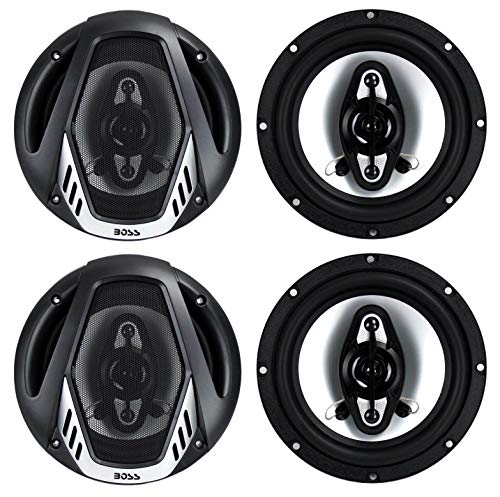
BOSS Audio Systems 6.5 Inch 400 Watt 4 Way 4 Ohm Full Range Car Audio Coaxial Stereo Speakers with Mylar Dome Tweeters, 2 Pairs
Have a jamming good time in your car and let those awesome beats become greater with this set…
As an affiliate, we earn on qualifying purchases.
As an affiliate, we earn on qualifying purchases.
Conclusion
Restoring vintage car audio is like breathing new life into a forgotten gem, turning it into a vibrant centerpiece for your drive. With patience and care, you transform these old stereos from relics into functional, nostalgic marvels that bring your car’s personality to the forefront. Embrace the journey of restoration, and you’ll find that your vintage stereo becomes more than just a sound system—it’s a time machine that revives the spirit of classic automotive charm.

Scosche GM1483B Single DIN Dash Kit Compatible with Select 1995-05 Cadillac, Chevrolet and GMC Full Size Trucks – Car Stereo Radio Install Kit – Single DIN Radios Only – See Fit Guide in Images
Vehicle Compatibility – CADILLAC – Escalade 1999-02, Escalade EXT 2002-02, CHEVROLET – Astro 1996-05, Avalanche 2001-02, CK Pickup…
As an affiliate, we earn on qualifying purchases.
As an affiliate, we earn on qualifying purchases.

BOSS Audio Systems MC900B 4 Channel Amplifier for ATV UTV Car Marine – 500 High Output, Low Level Inputs, Full Range, Weatherproof, Bass for Subwoofer
Power – 125 Watts Max x 4 @4 Ohms, 94 Watts RMS x 4 @4 Ohms
As an affiliate, we earn on qualifying purchases.
As an affiliate, we earn on qualifying purchases.