Yes, analog photography is making a strong comeback as many photographers and enthusiasts are drawn to film’s unique aesthetic and tactile process that digital just can’t match. You’ll notice a shift toward slower, more intentional shooting that encourages patience and craftsmanship. The organic textures, warm tones, and imperfections add character to each shot, creating a richer emotional connection. If you want to explore what makes film so special and why it’s regaining popularity, keep going for the full story.
Key Takeaways
- Analog photography has experienced a notable resurgence, attracting both seasoned and new photographers.
- The unique aesthetic and tactile qualities of film continue to appeal over digital images.
- The deliberate process and craftsmanship involved in film encourage more mindful and intentional shooting.
- Handling vintage cameras and developing film fosters a nostalgic, sensory connection to traditional photography.
- The movement promotes a focus on quality, imperfection, and artistic expression, reflecting a shift away from digital’s convenience.

In recent years, analog photography has experienced a surprising resurgence, enthralling both seasoned photographers and newcomers alike. You might find yourself drawn to the unique film aesthetics that digital simply can’t replicate. There’s a certain warmth, grain, and color tone that film provides, making each shot feel more organic and timeless. When you pick up a film camera, you’re not just capturing an image—you’re creating a piece of art with a tangible quality that digital images often lack. This revival is partly fueled by camera nostalgia; many people long for the tactile experience of loading film, winding the camera, and hearing the satisfying click of the shutter. It’s a sensory journey that reminds you of a time when photography was more deliberate and considered, rather than instant and fleeting.
Your decision to switch back to film might be driven by a desire to slow down and focus on the process rather than just the results. Unlike digital, which allows for quick corrections and instant previews, film requires patience and attentiveness. Every shot counts because you’re limited by the roll’s capacity and the cost of developing each frame. This constraint encourages you to think more carefully about composition, lighting, and timing. As a result, your images tend to carry more emotional weight and authenticity. The camera nostalgia associated with film also means that handling an analog camera evokes a certain charm—metal dials, manual focus, and the anticipation of developing your film contribute to a more meaningful connection with your craft. It’s a way to escape the digital noise, reconnect with the mechanics of photography, and appreciate the artistry behind each image.
Moreover, many find that film photography fosters a more disciplined approach to shooting. You become more intentional, knowing that every shot is precious. This mindfulness often leads to more thoughtful compositions and a deeper engagement with your subject matter. When you see your developed photos, there’s a sense of accomplishment that digital previews rarely offer. The imperfections—scratches, light leaks, and color shifts—become part of the story, adding character and authenticity. This tangible connection to your work makes the process feel more meaningful and rewarding. Ultimately, the revival of film isn’t just about aesthetics; it’s about embracing a different attitude towards photography—one that values patience, craftsmanship, and the beauty of imperfection. Additionally, the analog process often encourages a more sustainable approach by reducing digital waste and focusing on quality over quantity.

KODAK EKTAR H35 Half Frame Film Camera, 35mm, Reusable, Focus-Free, Lightweight, Easy-to-Use (Sage) (Film & AAA Battery are not Included)
📷 Film-saving: You can have twice as many images per roll. For example, a film roll with 36…
As an affiliate, we earn on qualifying purchases.
As an affiliate, we earn on qualifying purchases.
Frequently Asked Questions
How Does Film Quality Compare to Digital Images Today?
Film quality often offers richer grain texture and a unique, organic feel that digital images can’t fully replicate. You’ll notice that film provides natural color accuracy with subtle variations, giving your photos a timeless quality. While digital images are sharper and more precise, film’s grain and color nuances add depth and character that many photographers still prefer. So, your choice depends on whether you value authenticity and texture or crispness and detail.
Are There Any Environmental Impacts of Using Film Over Digital?
Think of using film as tending a garden; it requires chemical waste management and plastic consumption, much like caring for delicate plants. While film’s nostalgic charm may seem eco-friendly, it involves chemicals that can harm the environment if not disposed of properly. Digital photography, on the other hand, minimizes chemical waste but relies on plastic in devices and storage. Both have impacts, so choose wisely for your creative journey.
What Are the Costs Associated With Shooting Film Versus Digital?
Shooting film generally costs more than digital due to development expenses and equipment investments. You’ll spend on developing and scanning film, which adds to your overall costs. Equipment expenses include purchasing cameras, lenses, and film rolls, which can be pricey upfront. Digital photography, on the other hand, involves one-time costs for gear and lower ongoing costs since you don’t pay for film or development each time you shoot.
Is There a Specific Age Demographic Driving the Film Comeback?
You notice that the nostalgia trend and love for vintage aesthetics mainly drive the film comeback among young adults and millennials. They seek authentic, timeless images that digital can’t quite replicate. This demographic values the tactile experience and artistic process of analog photography, fueling its renewed popularity. By embracing film, you connect with a sense of history and craftsmanship, making it a stylish, meaningful choice for capturing moments today.
Can Film Photography Be Easily Integrated Into Modern Digital Workflows?
Yes, film photography can be easily integrated into modern digital workflows. You can scan your film negatives or prints using film scanning services or dedicated scanners, making digital copies effortlessly. Once scanned, you can incorporate these images into your digital projects, edit with software, or share online. This seamless digital integration allows you to enjoy the tactile experience of film while benefiting from the convenience of digital tools.
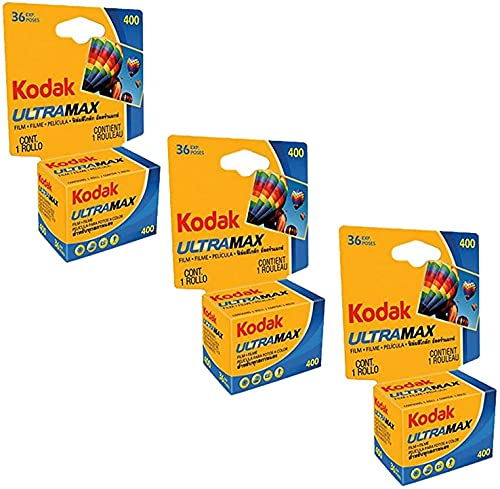
Kodak Ultramax 400 Color Print Film 36 Exp. 35mm DX 400 135-36 (108 Pics) (Pack of 3), Basic
3 pack Kodak Ultra Max 400 Color print film 36 exp. 35mm DX 400 135-36 (108 pics)
As an affiliate, we earn on qualifying purchases.
As an affiliate, we earn on qualifying purchases.
Conclusion
Like the phoenix rising from its ashes, analog photography proves it’s still alive and thriving. You might find yourself capturing moments with a vintage charm that digital can’t replicate, reminding you of a time when every shot felt special. As in the stories of old heroes, sometimes going back to roots offers a fresh perspective. So, pick up that film camera—because in a world rushing forward, a little nostalgia can be revolutionary.

Darkroom Developing Equipment Kit Film Processing 120 135 35mm Color B&W Film
Package included: 1. Timer clock x1 2. Chemical bottle x3 (color in black or white, send in random.)…
As an affiliate, we earn on qualifying purchases.
As an affiliate, we earn on qualifying purchases.
KODAK EKTAR H35 Half Frame Film Camera, 35mm, Reusable, Focus-Free, Lightweight, Easy-to-Use (Sage) (Film & AAA Battery are not Included)
📷 Film-saving: You can have twice as many images per roll. For example, a film roll with 36…
As an affiliate, we earn on qualifying purchases.
As an affiliate, we earn on qualifying purchases.