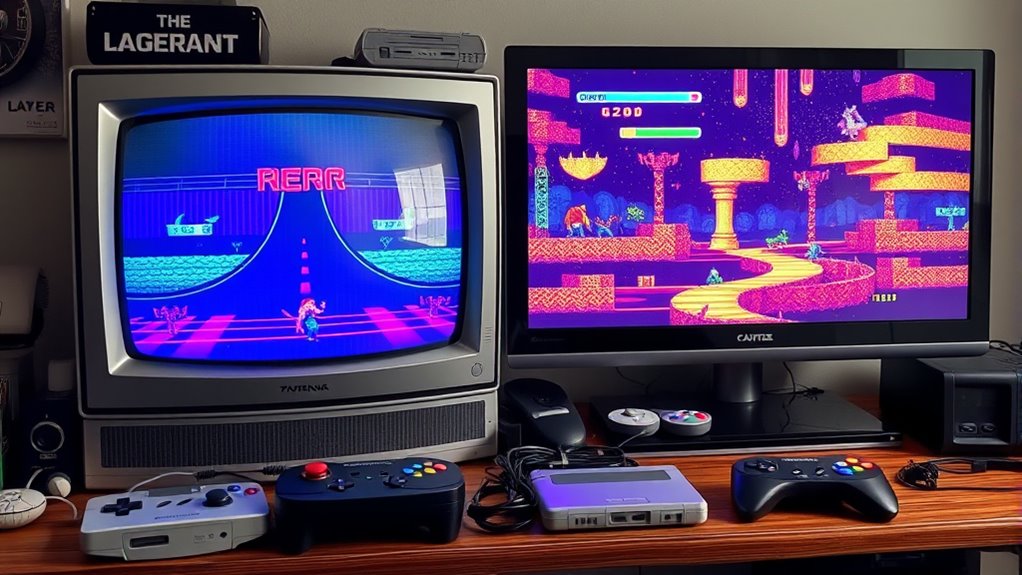

If you want an authentic retro gaming experience, CRT televisions are your best bet. They deliver sharp, smooth visuals that closely match the original console output and handle old signals with warmth and clarity. Modern displays offer convenience and sharper images but can introduce artifacts that detract from the vintage look. If preserving the true nostalgia matters most, sticking with CRTs makes a big difference. Keep exploring to discover more about how each option influences your gaming sessions.
Key Takeaways
- CRTs deliver authentic retro visuals with natural scanlines, preserving the original gaming experience better than modern screens.
- Modern displays offer convenience, higher resolutions, and features like upscaling, but may sacrifice visual warmth and authenticity.
- CRTs naturally handle old signals with minimal lag, enhancing gameplay smoothness and responsiveness.
- The bulk, weight, and maintenance of CRTs make them less practical despite their visual advantages.
- Choosing depends on whether prioritizing true retro aesthetics or modern convenience and versatility.
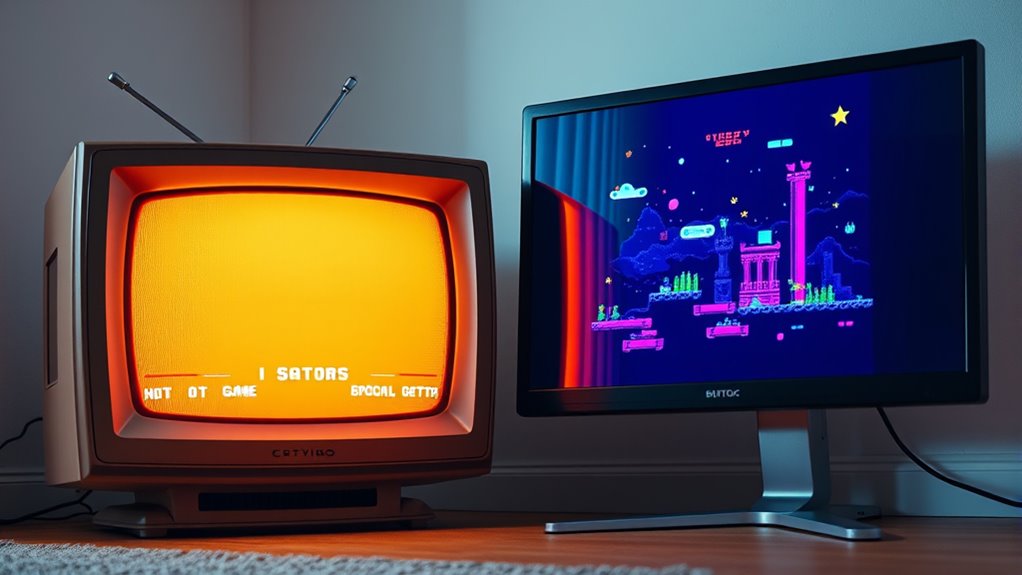
When it comes to playing classic video games, choosing the right television can make all the difference. Your display technology substantially influences how authentic and enjoyable your retro gaming experience feels. If you’re after that genuine gaming nostalgia, a CRT television might be just what you need. CRTs, or cathode-ray tube displays, are renowned for their unique picture quality, which many enthusiasts swear captures the true essence of vintage gaming. Unlike modern flat-panel screens, CRTs deliver a distinct look that closely matches what original consoles were designed to output, preserving the original visual intent.
Choosing a CRT for authentic retro gaming preserves original visuals and enhances nostalgic experience.
The charm of CRTs lies in their ability to produce smooth, crisp images without the lag or input delay that can sometimes plague newer screens. This is vital if you want your gameplay to feel as authentic as possible. When you play on a modern LCD or LED TV, you might notice artifacts like screen tearing or ghosting, which weren’t present on the original hardware. CRTs naturally handle these old signals better, maintaining the sharpness and clarity that classic games were meant to have. For gaming nostalgia, that’s priceless; it’s like stepping back in time and experiencing the games exactly as they were originally seen.
Additionally, CRTs support scanline effects, which many purists use to enhance the visual authenticity of retro games. However, vintage CRTs aren’t without their challenges. They’re bulky, heavy, and can be hard to find in good condition. Plus, they require specific connections and sometimes need maintenance. On the other hand, modern displays offer convenience, a sleek aesthetic, and compatibility with a wide range of devices. Newer screens also support high-definition resolutions and features like upscaling, which can make old games look surprisingly sharp. But this can come at the expense of losing some of that authentic feel — the visual warmth and scanline effects that CRTs naturally produce. When you’re after that true-to-original gaming nostalgia, many purists prefer CRTs precisely for these display qualities that modern screens struggle to replicate.
Choosing between old-school CRTs and new-school displays ultimately comes down to what matters most to you. If authenticity and gaming nostalgia are your priorities, a CRT’s display technology will serve you better. It preserves the visual integrity of classic games and keeps that vintage vibe alive. But if convenience, space, and modern features are more important, then a contemporary screen might suffice — just be prepared to compromise a bit on that original look. Either way, understanding how display technology influences your retro gaming experience helps you make an informed choice that enhances your journey through gaming history.

Retro Game Console, Retro Gaming Console, Wireless Retro Game Console, Plug & Play Video TV with 25200+ Built-in Games, 4K HDMI Output, and 2.4GHz Wireless Controller, 9 Classic Emulators (Black)
Retro Game Console: Enjoy a vast collection of games with no need to download or install anything, as…
As an affiliate, we earn on qualifying purchases.
As an affiliate, we earn on qualifying purchases.
Frequently Asked Questions
How Do CRTS Compare to Modern LCDS in Lag and Responsiveness?
CRT televisions generally outperform modern LCDs in lag comparison and responsiveness differences. You’ll notice less input lag and quicker response times on CRTs, making them ideal for retro gaming where timing is vital. LCDs tend to introduce more lag due to digital processing, which can slightly delay your reactions. If you want the most authentic experience with minimal lag and maximum responsiveness, a CRT is your best choice.
Are Vintage CRTS Safe to Use Without Modifications?
Vintage CRTs are generally safe to use without modifications if you handle them carefully, but you should always prioritize vintage safety. Check for any visible damage or leaks, and guarantee the internal components are intact. Some CRT modifications can improve safety or performance, but they’re not strictly necessary. Keep in mind that older models might contain hazardous materials, so proper maintenance and cautious handling are vital for safe usage.
What Are the Common Maintenance Issues With CRT Televisions?
You might notice common maintenance issues with CRT televisions like circuit degradation, which can cause the device to malfunction over time. Picture distortion is another frequent problem, resulting in blurry or skewed images. Regularly inspecting the internal components, cleaning the screen, and replacing worn parts can help maintain peak performance. Keep an eye out for these issues to ensure your CRT continues to deliver sharp images and reliable operation.
Can CRTS Display Modern Gaming Consoles Effectively?
Imagine a vintage canvas bringing your modern console’s vibrant worlds to life. While CRTs can display modern gaming consoles, their compatibility isn’t perfect. You might notice slight delays or less sharp images because CRT signal quality varies and isn’t optimized for today’s high-definition signals. If you’re after authentic retro visuals, CRTs deliver a nostalgic charm, but for crisp modern graphics, newer displays may serve better.
How Do CRTS Handle Different Aspect Ratios and Resolutions?
CRT televisions handle different aspect ratios and resolutions quite well through aspect ratio handling and resolution adaptation. You’ll notice that they automatically adjust or display black bars when needed, preserving original proportions. Unlike modern screens, CRTs don’t rely on pixel-perfect scaling, so they maintain image quality and authenticity. This makes them ideal for retro gaming, as they faithfully reproduce classic visuals without distortion, offering an authentic experience.

Retro Gaming Console Plug & Play Game Console for TV, 4K HD HDMI Video Console with Built-in 39,000 Classic Games, Dual 2.4G Wireless Controllers, Emulator Stick to Upgrade Nostalgia
MASSIVE 39,000+ CLASSIC GAMES: Built-in 39,000+ classic video retro stick with 4k hdmi, games and 28 emulators console…
As an affiliate, we earn on qualifying purchases.
As an affiliate, we earn on qualifying purchases.
Conclusion
Whether you prefer the nostalgic charm of old-school CRTs or the modern convenience of new-school models, it’s clear they each have their own magic. Think of your gaming setup as a bridge through time—connecting past and present. Whichever you choose, remember that the heart of retro gaming beats strongest when you keep the spirit alive. So, pick your side, plug in, and let the pixelated adventures continue to light up your world.

RGB RGBS Multifunctional Composite Cable Cord, High Flexibility Soft Stable Component AV Cable with 4 BNC Heads for NGC N64 SFC SNES Game Consoles, CRT Monitor Only
High Flexibility and Stability: This RGB RGBS composite cable cord delivers strong signal stability with its high flexibility…
As an affiliate, we earn on qualifying purchases.
As an affiliate, we earn on qualifying purchases.
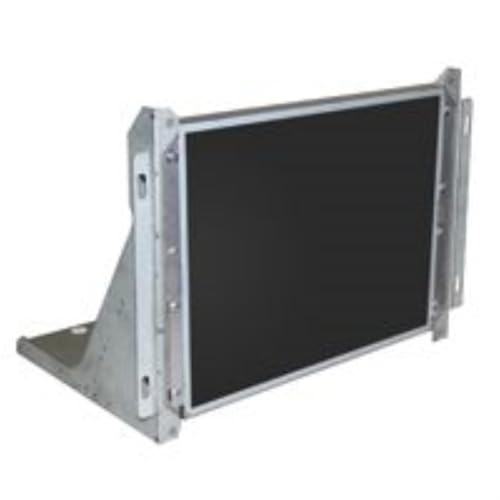
19 Inch Arcade Game CRT Monitor Retro Frame Kit
Arcade Game Montior Mount
As an affiliate, we earn on qualifying purchases.
As an affiliate, we earn on qualifying purchases.