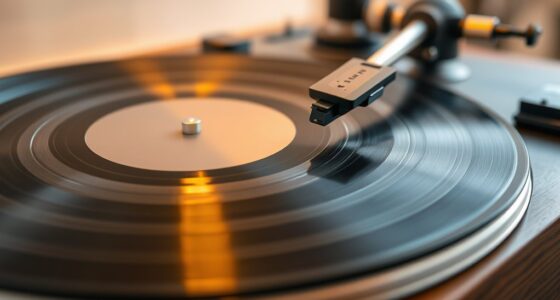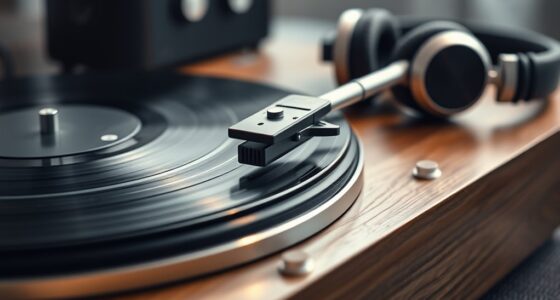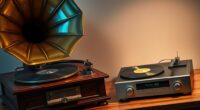
To spot a gem, start by inspecting the vintage audio gear closely for obvious damage like cracks or corrosion, and check that it powers on and functions properly. Listen for any crackling or buzzing sounds during testing, and verify controls work smoothly. Research typical prices to spot undervalued items, and look for minor cosmetic imperfections that are easy to fix. With careful evaluation, you’ll learn what makes an audio treasure—so keep exploring for more tips.

Get furniture and decor delivered free with Prime
- Fast, free delivery on millions of items
- Prime Video, Amazon Music and more included
- Member-only deals all year
Key Takeaways
- Inspect for obvious damage, corrosion, or missing parts, focusing on both exterior and internal components.
- Power on the gear to test functionality, listening for crackling, buzzing, or irregular sounds.
- Check controls, switches, and inputs for smooth operation and accurate indicator responses.
- Research market values to identify undervalued items and determine fair pricing.
- Be patient, use negotiation skills, and look for well-maintained gear that offers good sound and condition at a lower cost.
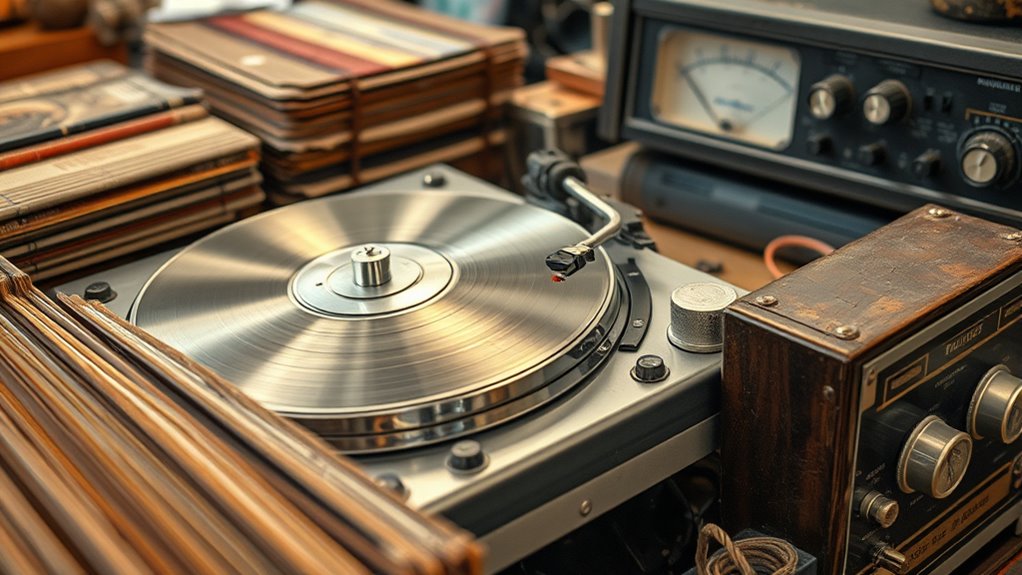
Shopping for vintage audio gear at thrift stores can be a rewarding experience if you know what to look for. When you’re hunting for that perfect piece—whether it’s a classic receiver, turntable, or speaker—being able to spot quality and value is key. Start by inspecting the overall condition. Look for obvious damage like cracks, corrosion, or missing parts. While some wear is normal, considerable damage can be costly to repair or restore. If you’re comfortable with restoration tips, minor cosmetic imperfections like small scratches or faded knobs shouldn’t deter you; these can often be fixed with a little effort. Focus on the internal components as well, especially for electronics. Check if the gear powers on, and listen for any crackling, buzzing, or irregular sounds that might indicate internal issues. While testing, make certain all functions—like volume controls, switches, and inputs—operate smoothly. Additionally, pay attention to the color accuracy of the device’s display or indicators, as this can reflect the overall quality of the unit.
Pricing strategies play a big role in making a worthwhile purchase. Do some quick research on similar items online to gauge fair market value. Many thrift stores price vintage gear higher than their market worth, assuming collectors or enthusiasts will pay a premium. However, don’t be afraid to negotiate. You can often get a better deal by pointing out minor flaws or asking if they’re open to a lower price, especially if the item has been sitting on the shelf for a while. Remember, the goal is to buy gear that’s undervalued or needs minimal repair, so you can either enjoy it immediately or restore it with confidence.
If you plan on restoring your vintage audio gear, it’s helpful to understand common issues and repair tips. For instance, replacing old capacitors or cleaning potentiometers can greatly improve performance. Many issues stem from aged components, so knowing what to look for can save you money and time. When evaluating a piece, consider whether you have the skills or resources to perform necessary repairs or if you’ll need professional help. This knowledge can influence your pricing strategies—knowing how much you’ll need to invest post-purchase helps you determine if the deal is truly worth it.
Ultimately, patience and preparation are your best tools. By inspecting carefully, researching prices, and understanding restoration basics, you can confidently hunt down vintage audio gems. Thrift stores are treasure troves; with a keen eye and some savvy negotiating, you’ll find audio gear that sounds as good as it looks—sometimes at a fraction of retail prices.
As an affiliate, we earn on qualifying purchases.
Frequently Asked Questions
How Do I Verify the Authenticity of Vintage Audio Brands?
You verify the authenticity of vintage audio brands by checking the serial number and seeking brand certification. First, locate the serial number on the unit, then cross-reference it with the manufacturer’s database or official resources. Also, look for any certification or markings that confirm authenticity. If unsure, consult online forums or experts in vintage audio gear to guarantee the item is genuine before making a purchase.
What Are Common Signs of a Well-Maintained Vintage Audio Component?
You can tell a vintage audio component is well-maintained by inspecting cleaning indicators and visual wear patterns. Look for minimal dust buildup and clean, corrosion-free connectors, which suggest regular upkeep. Check for consistent wear on knobs and buttons—uneven or excessive wear can indicate heavy use or neglect. A well-preserved unit often shows neat, intentional cleaning signs, with no rust or damage, ensuring it’s in good shape for peak performance.
How Can I Identify Original Parts Versus Replacements?
You can identify original parts versus replacements by inspecting for original markings, stamps, or logos that match the manufacturer’s design. Check for any signs of part replacement, like mismatched screws or inconsistent finishes. Research the component’s typical appearance and compare it with what’s installed. If the markings look worn or different from the rest of the device, it’s likely a replacement. Trust your eye for details to spot genuine parts.
What Safety Precautions Should I Take When Testing Vintage Equipment?
When testing vintage equipment, prioritize electrical safety and handling precautions. Always unplug devices before inspecting or repairing, and wear insulated gloves to prevent shocks. Use a grounded outlet and avoid working in damp environments. Check for damaged wiring or frayed cords, and handle tubes carefully as they can get hot. Keep a fire extinguisher nearby, and if unsure, consult a professional to guarantee safe testing.
Are There Specific Vintage Audio Models More Valuable Than Others?
Certain vintage audio models are more valuable, especially rare model identification and collectible vintage brands. You should look for iconic brands like Marantz, Pioneer, and McIntosh, which often command higher prices. Limited editions and unique designs also boost value. Focus on identifying rare models, checking their condition, and researching market demand to make sure you’re investing in genuinely valuable vintage gear.
As an affiliate, we earn on qualifying purchases.
Conclusion
Shopping for vintage audio gear at thrift stores can be rewarding if you know what to look for. Did you know that nearly 80% of vintage audio equipment still works perfectly, making it a great bargain? By inspecting components carefully and trusting your ears, you’ll find hidden gems that provide excellent sound without breaking the bank. So next time you visit a thrift store, remember—patience and a keen eye can turn up some fantastic vintage audio treasures.
As an affiliate, we earn on qualifying purchases.
As an affiliate, we earn on qualifying purchases.
Halloween Picks
halloween
As an affiliate, we earn on qualifying purchases.