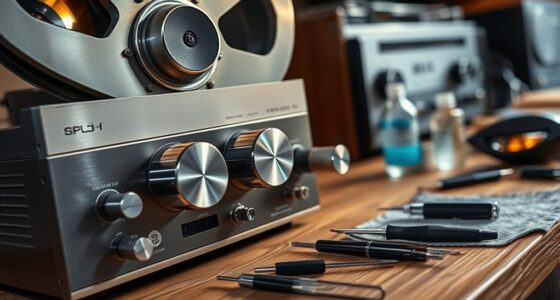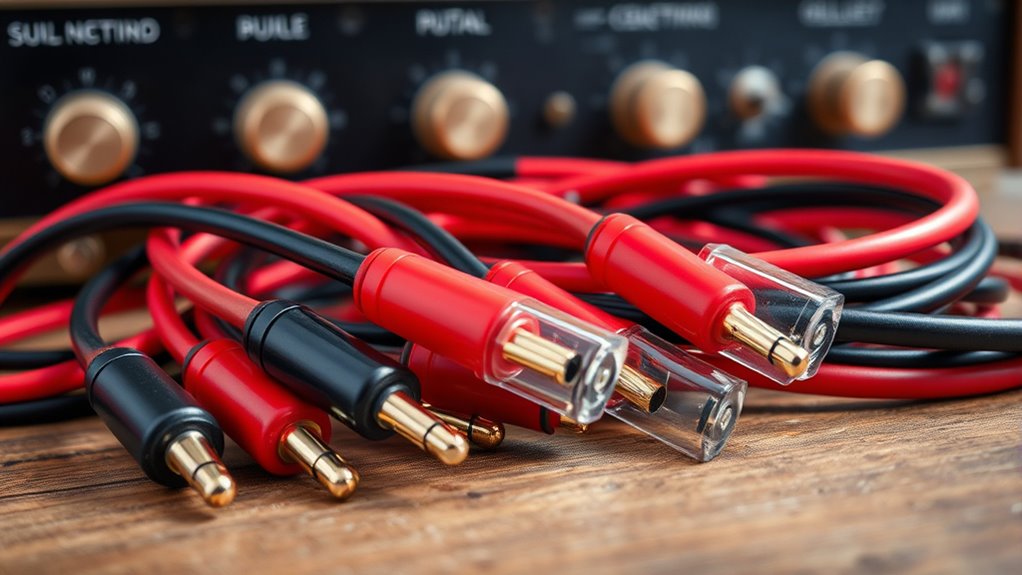
Expensive audio cables really do matter for vintage gear because they often feature better shielding and higher-quality connectors, which help prevent noise and signal loss. Cheaper cables can introduce hums, static, or degraded sound, especially with sensitive vintage equipment. Investing in well-made cables guarantees you get the best possible sound clarity and fidelity, making a noticeable difference in your listening experience. Keep exploring to discover how the right cables can elevate your vintage audio setup.

Get furniture and decor delivered free with Prime
- Fast, free delivery on millions of items
- Prime Video, Amazon Music and more included
- Member-only deals all year
Key Takeaways
- Higher-quality cables with superior shielding reduce electromagnetic and radio frequency interference, leading to cleaner sound in vintage gear.
- Durable connectors made from gold or nickel ensure secure, stable connections that prevent signal loss and maintain audio fidelity.
- Well-constructed cables with premium materials enhance durability and minimize long-term wear and corrosion.
- Investing in quality cables can significantly improve audio clarity, reduce noise, and preserve the integrity of vintage equipment’s sound.
- While expensive cables offer benefits, the overall impact depends on matching cable quality with the specific needs of vintage audio setups.
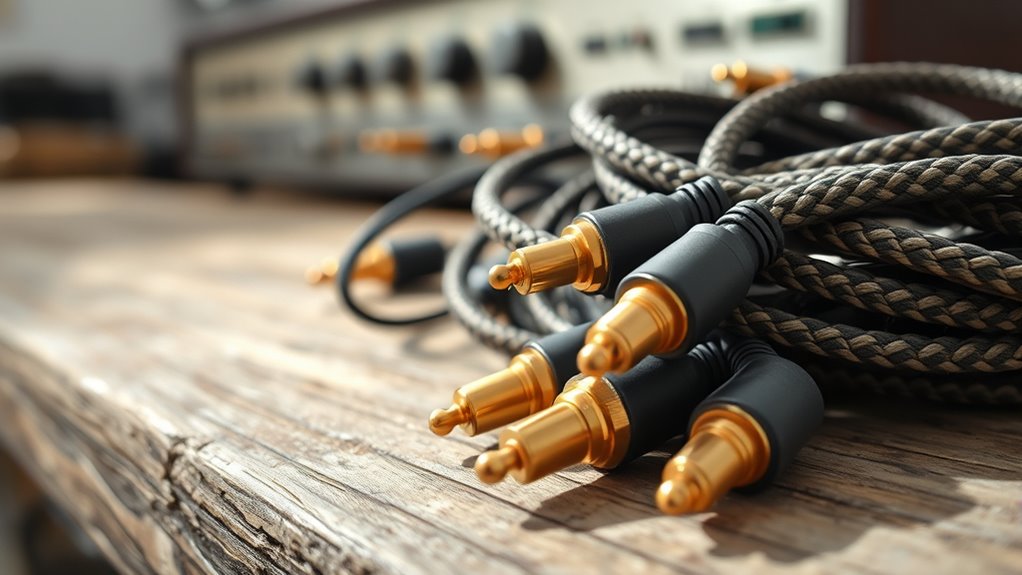
Audio cables are indispensable for connecting your audio devices and guaranteeing high-quality sound. When you’re working with vintage gear, this significance only increases. You want your classic equipment to perform at its best, and that starts with choosing the right cables. Two critical factors to evaluate are cable shielding and connector quality. These elements directly influence the clarity, noise levels, and overall fidelity of your audio setup.
Cable shielding acts as a barrier against electromagnetic interference (EMI) and radio frequency interference (RFI). In simpler terms, it prevents unwanted noise from creeping into your signal path, which can cause hums, buzzes, or static in your sound. Especially with vintage gear, which might have less built-in noise suppression, a well-shielded cable can make a marked difference. Look for cables with multiple layers of shielding—such as foil, braid, or a combination—to effectively block external interference. Better shielding means cleaner sound, letting your vintage equipment shine without interference from your surroundings or power sources.
Connector quality is equally crucial. The connectors are the point where your cable interfaces with your gear, so poor-quality connectors can introduce signal loss or degrade sound quality. High-quality connectors are made from durable materials like gold-plated or nickel-plated metal, which resist corrosion and maintain a solid, reliable connection over time. They also tend to have precision-engineered contacts that ensure minimal contact resistance, resulting in a clearer, more accurate signal transfer. When connecting vintage gear, you want connectors that fit snugly and securely, preventing any loose contacts that could cause intermittent audio issues. Investing in a cable with sturdy, well-made connectors ensures that your signal remains intact from source to destination. Additionally, the use of high-quality materials in construction can further enhance durability and performance.
While it might be tempting to opt for the cheapest options, prioritizing cable shielding and connector quality can save you headaches down the line. High-end cables with superior shielding and robust connectors often deliver noticeably better sound quality, especially with sensitive vintage equipment. They reduce noise, prevent signal degradation, and ensure your audio remains pure and faithful to the original recording. When you’re assembling or upgrading your setup, remember that these seemingly small details have a big impact on the listening experience. A well-shielded cable with quality connectors isn’t just a luxury—it’s a necessity for achieving excellent sound from your vintage gear. By paying attention to these factors, you can enjoy the rich, warm tones of your classic equipment without interference or loss of detail.
high quality audio cables for vintage gear
As an affiliate, we earn on qualifying purchases.
As an affiliate, we earn on qualifying purchases.
Frequently Asked Questions
Do Cable Materials Significantly Affect Audio Quality?
Cable material effects can influence audio quality, but often, audiophile misconceptions exaggerate their importance. The quality of connectors and shielding usually matters more than the cable’s internal material. While high-end cables may offer slight improvements, for vintage gear, investing in good quality, well-shielded cables is more practical. Don’t fall for the myth that expensive materials always guarantee better sound—focus on reliable, durable cables instead.
Can Cheap Cables Damage Vintage Audio Equipment?
Cheap cables won’t typically damage your vintage audio equipment directly, but they can cause interference or signal degradation, affecting sound quality. Poor durability concerns mean they might break or lose contact over time, which can lead to intermittent connections or damage if not handled carefully. To protect your gear, invest in reliable cables that prevent interference and are durable enough to withstand regular use, ensuring consistent sound and equipment safety.
Are There Specific Cables Recommended for Vintage Gear?
You should choose cables that match your vintage gear’s aesthetic and reputation. Look for brands known for quality and durability, which often feature better shielding and connectors. While you don’t need the most expensive, a cable with good aesthetics and from a trusted brand guarantees reliable performance without compromising sound quality. Trustworthy brands help protect your vintage equipment, providing peace of mind and a cohesive look for your setup.
How Do Cable Connectors Impact Sound Fidelity?
You might think cable connectors don’t matter, but connector quality and contact resistance directly impact sound fidelity. Poor-quality connectors can introduce noise or signal loss, degrading your vintage gear’s performance. High-quality connectors ensure a solid, clean connection that preserves audio clarity. So, investing in good connectors minimizes contact resistance, maintains signal integrity, and guarantees you get the best possible sound from your vintage setup.
Is Shielding Necessary for All Audio Cables?
Shielding isn’t necessary for all audio cables, but it’s highly recommended if you want to prevent ground loops and electromagnetic interference from affecting your sound. Without proper shielding, these issues can cause hums, buzzes, or signal degradation, especially in environments with lots of electronic devices. For vintage gear or long cable runs, shielding guarantees cleaner audio, reducing noise and preserving your sound fidelity.
As an affiliate, we earn on qualifying purchases.
Conclusion
In the end, whether you choose budget or pricey cables, the music remains the star. Imagine your vintage gear—its warm tones shining through simple wires, proving that quality isn’t always about cost. While expensive cables might offer peace of mind, it’s your passion and setup that truly shape your sound. So, trust your ears, keep experimenting, and remember: sometimes, simplicity delivers the most enthralling melody.
As an affiliate, we earn on qualifying purchases.
audio cables with superior shielding
As an affiliate, we earn on qualifying purchases.
As an affiliate, we earn on qualifying purchases.
Halloween Picks
halloween
As an affiliate, we earn on qualifying purchases.