TL;DR

Get furniture and decor delivered free with Prime
- Fast, free delivery on millions of items
- Prime Video, Amazon Music and more included
- Member-only deals all year
Modern vintage wall art merges historical imagery with contemporary design. It uses aged effects, bold formats, and curated displays to add warmth and personality to any space. Knowing how to pick, style, and care for these pieces makes your home truly stand out.
Imagine walking into a room where history whispers from the walls—faded botanical illustrations, bold vintage posters, or antique maps, all infused with a fresh, modern vibe. That’s the magic of modern vintage wall art. It’s not just about nostalgia; it’s about blending the past with the present in a way that feels natural and stylish.
If you want your walls to tell a story—one that mixes old-world charm with current trends—you’re in the right place. You’ll learn how this style works, what makes it so appealing, and how to pick pieces that fit your space without feeling like a museum exhibit. Get ready to add warmth, personality, and a touch of history to your home.
Mix aged effects with clean, modern framing to keep vintage art feeling fresh and stylish.
Focus on themes like botanical, travel, or mid-century graphics for popular, versatile options.
Authenticity matters—learn to identify original vintage pieces versus modern reproductions.
Create balance by pairing large vintage images with minimalist furniture and frames.
Buy smart: explore thrift, online marketplaces, and public domain sources to find affordable treasures.
What Makes Modern Vintage Wall Art Look So Stylish and Inviting?
Modern vintage wall art isn’t just old stuff thrown on a wall. It’s a carefully curated blend of imagery, textures, and presentation. Think faded botanical prints paired with sleek, minimalist frames or a large, distressed map above a modern sofa. The key is old-meets-new styling. It feels nostalgic but also fresh, like a vintage car with a shiny new paint job.
For example, a mid-century travel poster enlarged and framed in matte black instantly transforms a dull wall into a conversation starter. This combination creates a visual contrast that’s lively, warm, and full of personality. It’s a style that invites you in and makes your space feel both lived-in and thoughtfully designed.
Why does this matter? Because the interplay of aged effects with modern presentation creates a layered aesthetic that adds depth and character. It balances sentimentality with sophistication, appealing to those who want their decor to reflect a curated, personal story rather than just surface beauty. The tradeoff is that achieving this look requires a thoughtful eye—overdoing the vintage can make a space feel cluttered or outdated, so moderation and intentional pairing are key.
As an affiliate, we earn on qualifying purchases.
The Top Styles and Themes That Define Modern Vintage Wall Art
Modern vintage wall art draws from a range of eras and themes, but some styles dominate the scene now because they evoke specific feelings and connections. Understanding these themes helps you select pieces that resonate personally while fitting into your overall decor. For instance, botanical and natural studies evoke tranquility and a connection to nature, making them versatile for calming spaces. Retro travel posters and vintage advertisements tap into nostalgia for adventure and exploration, adding a sense of wanderlust and curiosity. Maps and architectural drawings evoke discovery and a sense of history, appealing to those who appreciate craftsmanship and storytelling. Mid-century graphics and typography reflect a bold, optimistic spirit of the 1950s and 60s, often bringing a playful, energetic vibe. Archival photography captures moments frozen in time, offering a window into different eras or cultural shifts.
Choosing themes isn’t just about aesthetics; it’s about the stories they tell. A well-curated collection can create a narrative that invites viewers to reflect or reminisce, deepening the emotional impact of your decor. The implication here is that your selection influences how your space feels—whether tranquil, adventurous, nostalgic, or bold. The tradeoff is that themes can sometimes clash if not balanced thoughtfully; mixing too many styles might dilute their individual impact, so consider a cohesive story or palette to unify diverse pieces.
As an affiliate, we earn on qualifying purchases.
How to Spot Authentic Vintage Pieces vs. Vintage-Style Reproductions
Knowing whether your wall art is truly old or just looks like it can make a significant difference—not only in terms of value but also in how the piece contributes to your decor’s authenticity. Authentic vintage pieces carry the weight of history; they often show subtle signs of aging that are difficult to replicate convincingly. These signs include faded or uneven colors, irregularities in print and edges, and signs of wear that develop over decades. Reproductions or vintage-style prints, on the other hand, are manufactured to mimic these effects but lack the genuine patina of age. They can be tempting because they’re often more affordable and readily available, but they risk making your space look contrived or superficial if not chosen carefully.
Understanding these differences allows you to make informed choices. Authentic vintage art often has a tactile quality—thicker, textured paper or canvas—and may include signatures, labels, or provenance information. Reproductions tend to be digitally printed with uniform finishes, lacking the subtle imperfections that proof authenticity. The implication is that authentic pieces can be investment-worthy and add real character, but they require a discerning eye and sometimes a higher budget. Reproductions can still be valuable for creating a vintage aesthetic without the cost, but they demand careful selection to avoid confusion or a mismatched look.
The tradeoff? Authentic vintage art offers uniqueness and historical depth but can be harder to find and more delicate to care for. Reproductions are more accessible and durable but may lack the same depth of history and authenticity. Your choice depends on your goals—whether you prioritize authenticity and story or affordability and ease of maintenance.
As an affiliate, we earn on qualifying purchases.
The Best Ways to Style Vintage Wall Art for a Fresh, Modern Look
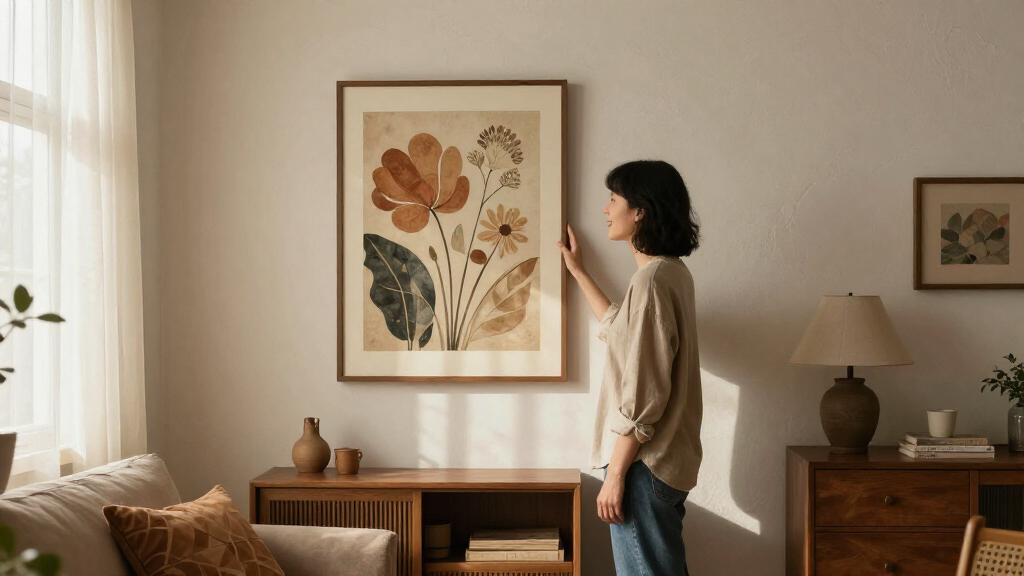
Styling vintage wall art is more than just hanging pictures; it’s about creating a visual narrative that balances nostalgia with modernity. The key is intentionality—each piece should contribute to a cohesive story or aesthetic. Using oversized pieces like a large vintage map or portrait can serve as a commanding focal point that anchors the room’s design. Pairing these with modern furniture, such as sleek sofas or minimalist lighting, helps prevent the space from feeling dated. Choosing contemporary frames—like slim black metal or white matte finishes—gives vintage prints a current edge, seamlessly blending old and new.
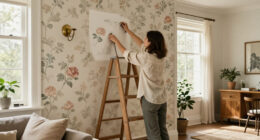
Creating gallery walls with a mix of different sizes and textures allows for a curated, eclectic vibe. But it’s crucial to maintain harmony—stick to a color palette or theme to avoid visual chaos. For example, combining a faded Victorian botanical print with a modern abstract piece in similar tones creates a layered yet unified look. The core idea is balance: modern elements should complement the vintage, not compete with it. The implication is that thoughtful arrangement and framing can elevate vintage art from mere decoration to a sophisticated statement. The tradeoff is that over-mixing can lead to clutter; so, clarity and moderation are essential to keep the aesthetic polished.
As an affiliate, we earn on qualifying purchases.
Practical Tips for Buying, Framing, and Caring for Vintage Wall Art
Acquiring vintage art is just the beginning—proper framing and care are essential to preserve its beauty over time. When buying, prioritize reputable sources like trusted antique shops, estate sales, or established online sellers who provide detailed condition reports and provenance. This reduces the risk of purchasing damaged or inauthentic pieces. Framing is equally important; opt for UV-protective glass, acid-free mats, and durable materials like reclaimed wood or metal to prevent deterioration and fading. The right framing not only protects but also enhances the piece’s visual appeal, making it feel intentional and polished.
Size matters: larger pieces can serve as statement anchors, while smaller works can complement a gallery wall. Spacing and arrangement are crucial—leave enough room to breathe and ensure a balanced display. Regular maintenance, including dusting with a soft cloth and avoiding direct sunlight or high humidity, prolongs the lifespan of your vintage art. For example, hanging a 1920s travel poster with UV-filtering glass and a sturdy frame ensures it remains vibrant for decades. The implication here is that investing in quality materials and proper care extends the life and impact of your vintage collection. The tradeoff is that initial costs may be higher, but the long-term preservation benefits are worth it.
Where to Find Affordable Vintage Wall Art and How to Choose the Right Pieces
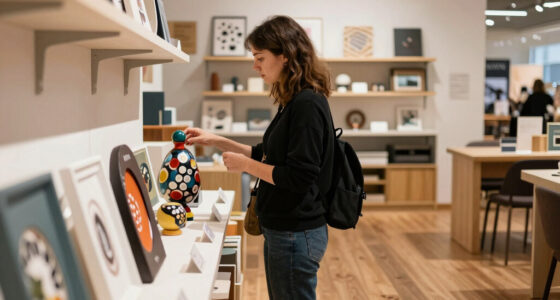
Finding vintage wall art that fits your budget is entirely possible without sacrificing style or authenticity. Thrift stores, flea markets, and online marketplaces are treasure troves of affordable options. Visiting local thrift shops or estate sales can uncover unique pieces that haven’t been overly curated or mass-produced. Online platforms like Etsy, eBay, and specialized print marketplaces offer a wide range of vintage reproductions and original prints, often at accessible prices. Downloading public domain images from institutions like the Library of Congress or Wikimedia Commons allows you to print high-quality art at minimal cost, making it a smart choice for budget-conscious decor lovers.
When selecting pieces, consider not just size and color but also how they resonate emotionally with you. A vintage travel poster of a city you love or a botanical print that reminds you of childhood can add personal meaning and warmth to your decor. The implication is that the right vintage piece isn’t just about aesthetics but also about creating an emotional connection that elevates your space. The tradeoff is that cheaper sources may sometimes present quality or authenticity concerns, so diligent research and careful inspection are essential. Ultimately, choosing pieces that speak to you ensures your decor feels authentic and heartfelt, even if the budget is tight.
Frequently Asked Questions
How do I tell if vintage wall art is authentic?
Look for signs like textured paper, signatures, provenance labels, and printing techniques. Ask sellers for details about the piece’s history and condition to confirm authenticity.Can I mix different vintage styles in one room?
Absolutely. Just keep a cohesive color palette or framing style to tie the pieces together. A deliberate mix of eras creates a lively, collected look.What’s the best way to care for vintage prints?
Keep them out of direct sunlight, dust gently with a soft cloth, and store or display in acid-free frames with UV-protective glass to prevent fading and deterioration.Are digital downloads of vintage images legal?
They can be, but verify that the images are in the public domain or that the seller has rights to distribute them. Always check licensing terms before printing or using commercially.How do I incorporate vintage wall art into a minimalistic space?
Choose one large statement piece, frame it simply, and keep surrounding decor clean and uncluttered. This creates a striking focal point without overwhelming the room.Conclusion
Modern vintage wall art isn’t just decoration—it’s a way to tell your home’s story with warmth and personality. Embrace the mix of history and contemporary style, and your walls will become a canvas of nostalgia and modern flair.
Start with one bold piece or a curated gallery, and let your space reflect the timeless charm of the past combined with your own unique taste. Remember, the right art doesn’t just fill a wall—it transforms the entire room into a place you love to be.
Fall Picks
fall essentials
As an affiliate, we earn on qualifying purchases.