
Industrial furniture has evolved from sturdy factory fixtures into stylish, functional pieces that add authenticity and character to your home. It combines rugged charm with modern design, using reclaimed wood, vintage accents, and distressed metals. This trend celebrates sustainability while creating spaces that tell a story of craftsmanship and history. When you explore how these elements work together, you’ll discover how industrial furniture can transform your environment into a warm, inviting, yet bold statement.
Key Takeaways
- Industrial furniture originates from repurposed factory materials like reclaimed wood and vintage metal accents.
- Its popularity grew as a design trend blending rugged authenticity with modern aesthetics in homes.
- The style emphasizes storytelling, showcasing craftsmanship, history, and sustainable reuse of materials.
- Industrial furniture balances raw, unfinished elements with sleek, contemporary lines for versatile decor.
- The movement reflects a broader appreciation for sustainability, authenticity, and the blending of old-world charm with new design.
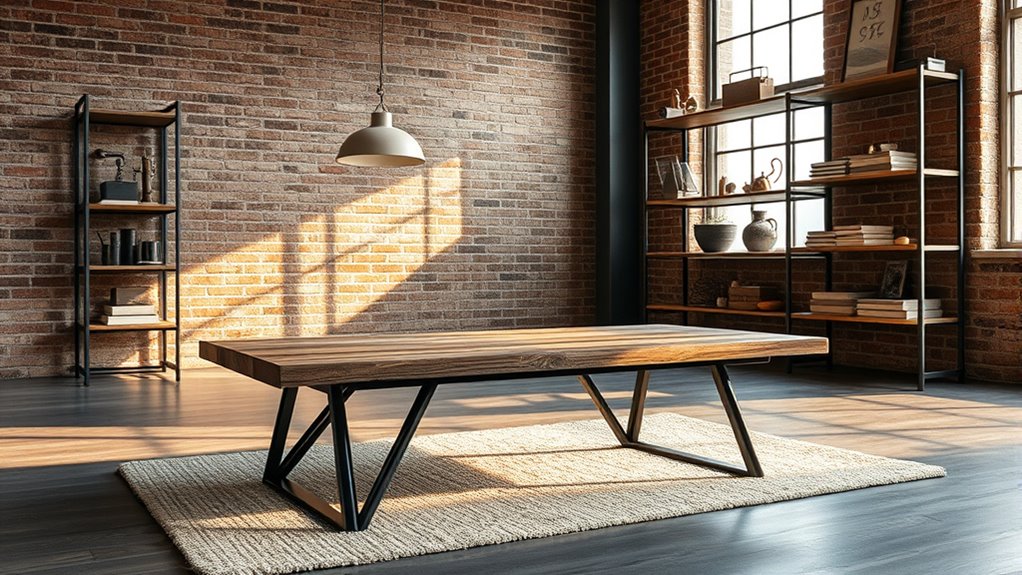
Have you ever noticed how industrial furniture seamlessly combines rugged charm with modern style? It’s a look that instantly grabs attention and transforms any space into something both functional and stylish. The secret lies in the clever use of materials like reclaimed wood and vintage accents, which add authenticity and character to each piece. When you walk into a room featuring industrial furniture, you’re not just seeing furniture—you’re experiencing a story of craftsmanship, history, and innovation.
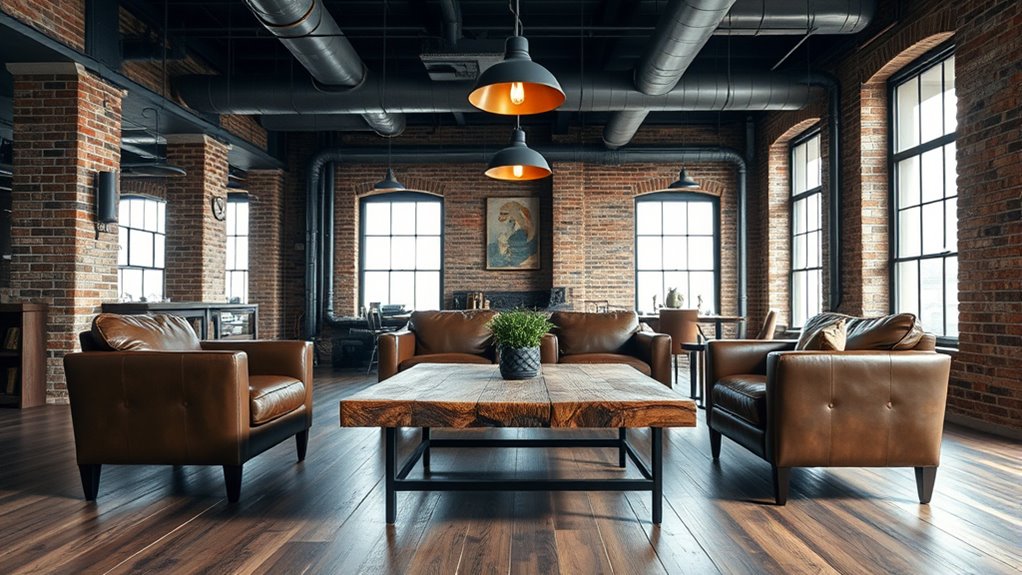
Reclaimed wood is a cornerstone of this design style, and for good reason. It brings a warm, weathered feel that contrasts beautifully with sleek metal frames and modern finishes. You’ll often find tables, shelves, or even headboards crafted from reclaimed timber, showcasing knots, grain patterns, and imperfections that tell a story of their own. Not only does this wood add visuals interest, but it also promotes sustainability by giving new life to material that might otherwise be discarded. Using reclaimed wood in your space makes it feel more organic and grounded, connecting the contemporary with the past. The vintage accents further enhance this effect, adding nostalgic charm that’s both timeless and trendy.
Reclaimed wood adds warmth, character, and sustainability, blending vintage charm with modern design in industrial furniture.
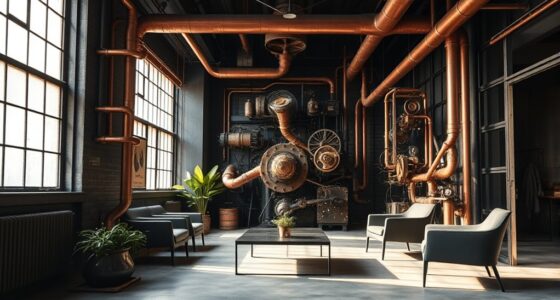
Vintage elements like old factory gears, antique light fixtures, or distressed metal details give industrial furniture its distinctive personality. These accents are often repurposed or authentically aged, providing a sense of history and depth. When integrated into a modern setting, they create a compelling juxtaposition that feels both fresh and rooted in tradition. Imagine a sleek metal dining table paired with a vintage industrial pendant light or a bookshelf made from reclaimed wood with metal piping. These combinations make your space stand out, highlighting a curated look that’s effortless yet intentional.
The beauty of industrial furniture lies in its versatility. It can adapt to various styles—whether you prefer a minimalist loft or a cozy, eclectic home. The key is balancing the raw, unfinished look of reclaimed wood and vintage accents with cleaner lines and modern touches. This blend results in a space that’s warm, inviting, and full of character. Plus, because these materials are often durable and easy to maintain, they’re practical choices that will stand the test of time.
In the end, embracing industrial furniture means celebrating a style rooted in history, sustainability, and bold design. You’re not just furnishing a space—you’re creating an environment that tells a story through reclaimed wood, vintage accents, and a fearless approach to mixing old with new. It’s a style that invites you to appreciate the beauty of imperfection while enjoying the sleek, functional appeal of modern design. Incorporating industrial design principles can help guide the selection of pieces that harmonize and elevate the overall aesthetic.

DM Furniture Rustic Dining Table for 4-6 People, 59" Farmhouse Rectangular Kitchen Table, Reclaimed Solid Wood Dining Room Table with Trestle Base for Kitchen/Dining Room, Home Office, Rustic Brown
- Style: Rustic farmhouse design with natural finish
- Material: FSC-certified reclaimed solid wood
- Unique Grain: Natural knots and texture variations
As an affiliate, we earn on qualifying purchases.
As an affiliate, we earn on qualifying purchases.
Frequently Asked Questions
How Durable Is Industrial Furniture for Everyday Home Use?
Industrial furniture is quite durable for everyday home use. You’ll find that its metal strength guarantees sturdy support and long-lasting stability, while the wood’s resilience makes it resistant to wear and tear. As long as you maintain it properly, this furniture can withstand daily activities and last for years. Its robust construction and quality materials make it a smart choice if you want pieces that combine style with durability.
Can Industrial Furniture Be Customized to Fit Specific Spaces?
Yes, industrial furniture can be customized to fit your specific spaces thanks to its material versatility and design flexibility. You can choose different metals, wood finishes, and sizes to match your decor and room dimensions. Many manufacturers offer bespoke options, allowing you to alter dimensions or add unique features. This adaptability guarantees your industrial furniture seamlessly integrates into your home, combining style with practicality.
What Maintenance Is Required for Industrial-Style Pieces?
While industrial-style pieces add charm, they do require some gentle care. Regular cleaning tips include wiping surfaces with a soft cloth and avoiding harsh chemicals. For restoration techniques, you might consider polishing metal accents or reconditioning distressed wood to maintain their vintage appeal. With a bit of attention, your furniture stays stunning and durable, preserving that authentic industrial look for years to come.
Are Industrial Furniture Pieces Environmentally Friendly?
Industrial furniture pieces can be environmentally friendly if you choose items made from sustainable materials and produced through eco-friendly manufacturing processes. By prioritizing furniture crafted with reclaimed wood, recycled metal, or eco-conscious finishes, you reduce your carbon footprint. Always check for certifications or transparency from manufacturers about their sustainability efforts. This way, you can enjoy stylish, durable furniture while supporting environmentally responsible practices.
How Does Industrial Furniture Compare in Price to Traditional Styles?
You’ll find that industrial furniture generally costs more than traditional styles, mainly due to the use of reclaimed materials and rugged finishes. However, there are budget options available, and a clear cost comparison can reveal more affordable pieces that still offer the industrial aesthetic. If you’re mindful of your budget, you can mix high-end statement items with more economical choices, making industrial style accessible without overspending.
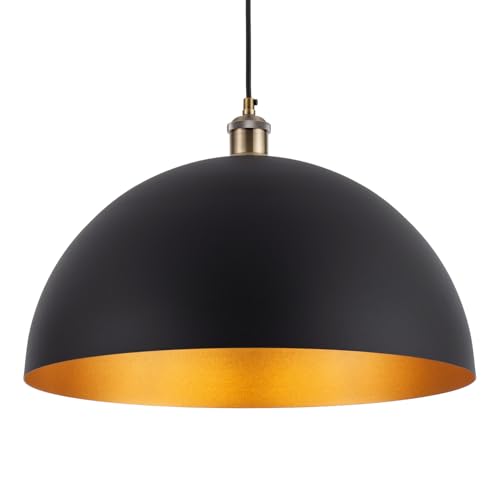
Vintage Pendant Light,Industrial pendant light,chandelier17.72 "Industrial Dome Pendant Light black and gold finish lighting fixture line length 78.74" Kitchen island, bedroom, hallway,farmhouse
- Warm Amber Edison Bulb: Retro Edison amber glass bulb 2000K~2700K
- Elegant Gold Interior: Gold interior with filament design for a warm glow
- Secure Anti-Fall Buckle: Includes anti-falling buckle for safety and stability
As an affiliate, we earn on qualifying purchases.
As an affiliate, we earn on qualifying purchases.
Conclusion
As you explore the world of industrial furniture, you realize it’s more than just style—it’s a story of transformation. But what’s next? Will this raw, edgy look continue to dominate, or will new innovations reshape your space in unexpected ways? The future of industrial design is still unfolding, and you’re right at the edge of it. Keep watching—something extraordinary might be just around the corner, waiting to redefine your idea of home comfort.

Diwhy Industrial Pipe Bookshelf, 6 Layer Rustic Modern Wood Ladder Shelf with Metal Frame, Home Decor, Display Shelving, Retro Floating Shelving, 35.4×9.8x79in, 10-20lbs, Pine
- Retro Industrial Design: Silver brushed gray finish with reclaimed wood
- Sturdy Construction: Made from metal pipes and pine wood
- Large Dimensions: 35.4in L x 9.8in D x 79in H
As an affiliate, we earn on qualifying purchases.
As an affiliate, we earn on qualifying purchases.

Christopher Knight Home Carlisle Outdoor Acacia Wood Coffee Table, Sandblast/Rustic Metal
- Modern industrial design: Powder-coated frame with acacia wood
- Durable acacia wood: Resists outdoor elements and wear
- Elegant slat paneling: Adds a sophisticated, classic look
As an affiliate, we earn on qualifying purchases.
As an affiliate, we earn on qualifying purchases.