
TL;DR

Get furniture and decor delivered free with Prime
- Fast, free delivery on millions of items
- Prime Video, Amazon Music and more included
- Member-only deals all year
Sony announced it will cease production of physical PlayStation discs by 2028, prompting questions about game preservation and the possibility of creating personal backups or custom consoles. Legal and technical details are complex, with some options possible for older consoles but limited for newer ones.
Sony has announced it will cease production of physical PlayStation discs by 2028, a move that raises questions about game preservation and the possibility of creating personal PlayStation consoles.
This decision impacts gamers, collectors, and archivists who rely on physical media, especially as Sony is also shutting down some older digital storefronts.
Earlier this month, Sony confirmed it will stop manufacturing physical game discs for PlayStation consoles by 2028, marking a significant shift in the gaming industry. This decision affects the availability of new physical copies and raises concerns about digital preservation.
While the legal landscape remains complex, it is technically possible to rip and backup older PlayStation discs, depending on the console generation and the tools available. For older consoles like PS1 and PS2, ripping discs is generally easier due to simpler encryption, whereas newer consoles such as PS4 and PS5 employ more advanced copy protections.
Legally, in the U.S., copying media you own is a gray area; you are allowed to make backups but not to circumvent digital rights management (DRM). Developing or using ripping tools can carry legal risks, especially if intended for distribution rather than personal backup.
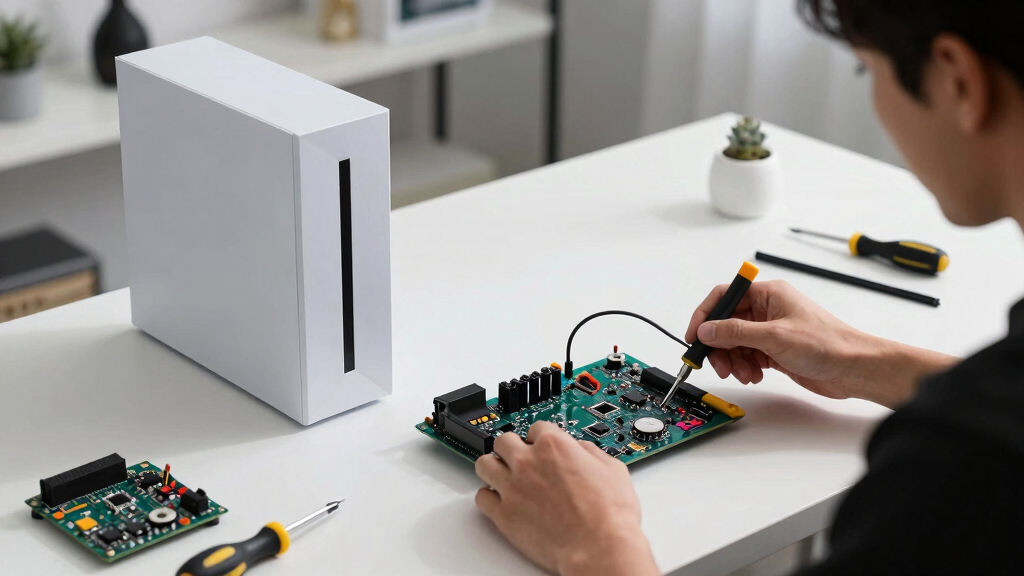
Creating a custom PlayStation, such as modding or jailbreaking a console to run backup copies, is feasible for some older models but increasingly difficult or impossible for newer ones due to software updates and hardware protections. The process often requires specialized hardware and software modifications, which may void warranties and pose legal risks.
Implications for Game Preservation and Consumer Rights
The end of physical media production by Sony significantly impacts game preservation efforts, especially for collectors and archivists. It also raises questions about consumer rights to backup and modify their purchased games. For older consoles, technical options exist to rip and store games, but legal risks remain, and for newer consoles, these options are limited or non-existent.
This shift could accelerate the digital-only gaming era, making backups and preservation more challenging. It also highlights ongoing debates about intellectual property laws, consumer rights, and the future of game archiving.
As an affiliate, we earn on qualifying purchases.
Sony’s Move Toward Digital-Only Gaming
In recent years, Sony has been shifting toward digital distribution, with some older digital storefronts shutting down even before the physical media phase-out. The announcement to end physical disc production by 2028 aligns with industry trends favoring digital downloads and streaming services.
Historically, physical media has been central to game preservation, resale, and collector markets. Sony’s decision marks a turning point that could influence other manufacturers and the future landscape of gaming media.
Legal and technical communities have long debated the rights of consumers to backup or modify their media, with the current environment making such actions increasingly complex for modern consoles.
“We are committed to providing our customers with the best gaming experiences, and this transition allows us to focus on digital innovation.”
— Sony spokesperson
PlayStation game backup external drive
As an affiliate, we earn on qualifying purchases.
As an affiliate, we earn on qualifying purchases.
Legal and Technical Limits of Creating Personal PlayStations
It remains unclear how easily consumers will be able to legally or practically create their own playable backups or custom consoles, especially for newer PlayStation models like PS5. The legality of ripping discs varies by region and is complicated by DRM protections, while technical barriers increase with newer hardware updates.
Questions also remain about the future availability of tools and services needed to mod or jailbreak modern consoles, as Sony continues to update firmware to block such attempts.
As an affiliate, we earn on qualifying purchases.
Future of Game Preservation and Console Modding
In the coming years, consumers and archivists will likely explore more about the technical feasibility of backing up or modding newer PlayStation consoles. Legal debates will continue, especially as digital-only gaming becomes more prevalent.
Sony’s official policies and hardware updates will influence whether creating personal backups or custom consoles remains a viable option. Industry and community responses will shape the future landscape of game preservation and consumer rights.
As an affiliate, we earn on qualifying purchases.
Key Questions
Can I legally rip my PlayStation discs for personal backup?
In the U.S., you can generally make backup copies of media you own, but circumventing DRM is legally questionable. Laws vary by region, and the process can carry legal risks.
Is it technically possible to create a custom PlayStation console?
For older models like PS3 and earlier, modding and jailbreaking are possible but increasingly difficult. For newer consoles like PS5, hardware and software protections make this nearly impossible without significant technical expertise.
Will Sony provide tools or support for backing up games after 2028?
There is no indication that Sony will support or facilitate game backups or modding for newer consoles after the end of physical media production.
What are the risks of attempting to rip or mod my PlayStation?
Risks include voiding warranties, damaging hardware, and potential legal consequences depending on your region and the methods used.
Source: Lifehacker
Halloween Picks
halloween
As an affiliate, we earn on qualifying purchases.