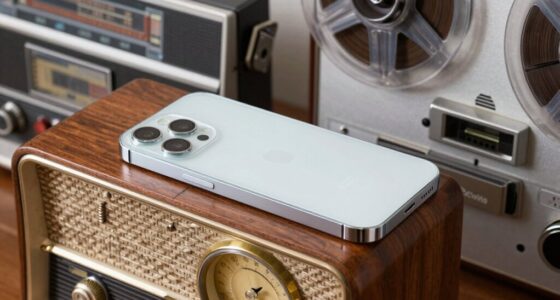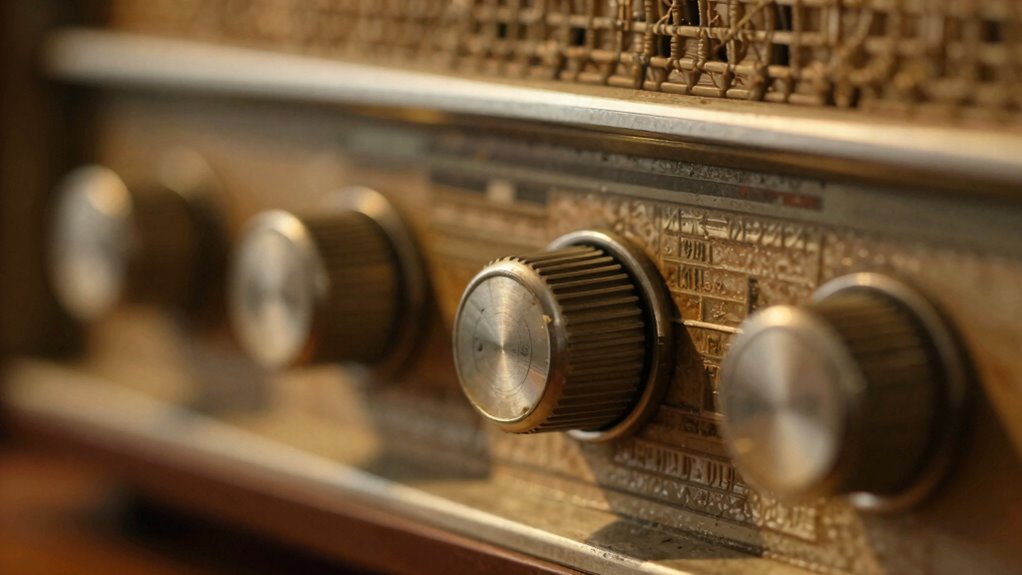
Mechanical buttons and dials win hearts because they give you a satisfying tactile experience that screens can’t match. You feel immediate control, with resistance, clicks, and weight that make actions feel deliberate and reliable. They’re built to last, offering durability and a sense of craftsmanship. Plus, the multi-sensory feedback creates a stronger emotional connection, boosting your confidence and comfort. If you want to discover more about their lasting appeal, keep exploring what makes them so special.
Key Takeaways
- Mechanical buttons and dials provide satisfying tactile feedback that enhances user control and confidence.
- They offer precise, incremental adjustments ideal for quick, reliable operations without visual confirmation.
- Their durable construction and craftsmanship evoke feelings of quality and longevity.
- Physical controls create a multi-sensory experience, fostering emotional connection and satisfaction.
- They improve accessibility and ease of use for users with disabilities or in complex tasks.
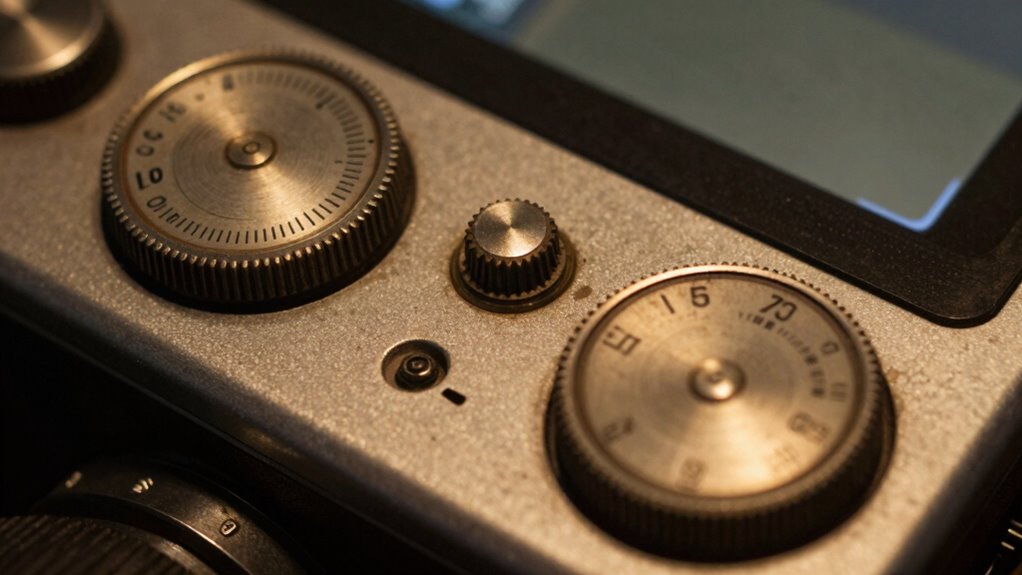
Despite the rise of sleek touchscreens and digital interfaces, mechanical buttons and dials continue to hold a special place in our hearts. There’s something about their physical presence that makes using them more satisfying than tapping a flat screen. When you press a mechanical button or turn a dial, you immediately feel a sense of control and connection that digital controls often lack. This is largely due to haptic feedback—the subtle, tangible response you get from pressing or turning these physical controls. It confirms your action, giving you a sense of reassurance that your command has been registered. This tactile satisfaction is something screens simply can’t replicate. Mechanical buttons offer a satisfying click or resistance, making each interaction feel deliberate and concrete, which enhances your overall experience.
You probably find yourself more confident when using mechanical controls because they provide immediate, physical feedback. For example, when you turn a dial to adjust volume or temperature, you can feel the resistance and the incremental steps, helping you make precise adjustments without needing to look. This tactile feel minimizes errors and reduces your reliance on visual confirmation, especially in situations where quick, accurate responses matter—like driving, cooking, or working with complex machinery. The physicality of these controls also prevents accidental presses, a common issue with touchscreens that can register unintended inputs if your finger slips or if you’re wearing gloves. Additionally, the durability and reliability of mechanical controls are often associated with long-lasting craftsmanship, which adds to their appeal. Their design often incorporates robust materials, further emphasizing their durability and timeless appeal.
Moreover, mechanical buttons and dials evoke a sense of durability and quality. Many people associate the tactile feedback and solid construction with reliability. When you press a button on a vintage camera or turn a knob on a vintage radio, you’re reminded of craftsmanship and longevity. This perception enhances the emotional connection you have with these devices. They often feel more substantial and satisfying because of their weight and the mechanical sound they produce. This sensory experience—combining sound, resistance, and texture—creates a multi-sensory engagement that digital interfaces struggle to match. Additionally, the tactile feedback provided by mechanical controls helps reduce eye strain, allowing users to focus more on their task rather than constantly looking at the device. Recognizing the psychological comfort that comes from familiar, dependable controls can also make a significant difference in user experience. Incorporating mechanical controls can also improve accessibility for users with certain disabilities, as the physical cues are easier to interpret than visual prompts.
In essence, mechanical buttons and dials appeal to your innate desire for tactile satisfaction and haptic feedback. They make your interactions more intuitive, confident, and pleasurable. Even in an era dominated by digital screens, their physical presence offers a level of control and satisfaction that keeps them relevant—and beloved—by many users.

Logitech G413 SE Full-Size Mechanical Gaming Keyboard – Backlit Keyboard with Tactile Mechanical Switches, Anti-Ghosting, Compatible with Windows, macOS – Black Aluminum
Take your gaming skills to the next level: The Logitech G413 SE is a full-size keyboard with gaming-first…
As an affiliate, we earn on qualifying purchases.
As an affiliate, we earn on qualifying purchases.
Frequently Asked Questions
How Do Mechanical Controls Compare in Durability to Touchscreens?
Mechanical controls are generally more durable than touchscreens because they provide tactile feedback, which helps prevent accidental presses and reduces wear over time. You’ll find that buttons and dials withstand heavy use better, offering consistent performance. This durability boosts user satisfaction, as you can rely on them even in tough environments. Touchscreens, by contrast, are more prone to damage and require frequent replacements, making mechanical controls a more reliable choice for long-term use.
Are Mechanical Buttons More Expensive to Manufacture?
Mechanical buttons are generally more expensive to manufacture than touchscreens due to their complex design and the need for precise components. You should know that the cost comparison reveals mechanical controls can be up to 30% pricier, mainly because of manufacturing challenges like intricate assembly and durability testing. Despite higher costs, many still prefer them for their tactile feedback and longevity, which justify the investment.
Can Mechanical Dials Be Integrated With Modern Digital Systems?
Yes, mechanical dials can be integrated with modern digital systems. They bring vintage charm and tactile feedback that many users love, making interfaces more engaging. By combining digital technology with mechanical components, you get the best of both worlds: the timeless feel of physical controls and the flexibility of digital integration. This blend appeals to users seeking both functionality and a nostalgic, hands-on experience.
Do Mechanical Controls Require More Maintenance Than Electronic Ones?
Mechanical controls generally need more maintenance than electronic ones. Think of them like a vintage car—while charming and reliable, they require regular tune-ups and care. You prefer these controls for their tactile feedback and aesthetic appeal, but their mechanical parts are prone to wear and dust. This means you’ll spend more time cleaning and replacing components, compared to electronic controls, which mostly need software updates and occasional calibration.
How Do Users With Disabilities Interact With Mechanical Buttons and Dials?
You find that users with disabilities benefit from mechanical buttons and dials because of their tactile feedback, which helps them feel confident in their actions. Accessibility features like raised ridges or textured surfaces make it easier to identify and operate controls without sight. These physical cues provide a reliable, intuitive interface, allowing individuals with limited vision or dexterity to interact effectively and independently with devices.

Zebco 808 Spincast Fishing Reel, Size 80 Reel, Changeable Right- or Left-Hand Retrieve, Pre-Spooled with 20-Pound Zebco Fishing Line, Dial-Adjustable Magnum Drag, Black
EASY-TO-USE: The Zebco 808 spincast reel features a patented no-tangle design and simple push-button mechanics that are anchored…
As an affiliate, we earn on qualifying purchases.
As an affiliate, we earn on qualifying purchases.
Conclusion
So, next time you reach for that familiar click or turn, remember, mechanical buttons and dials are like trusted old friends—their tactile feedback and satisfying feel create a connection that’s hard to replace. They’re the dependable, comforting heartbeat of many devices, proving that sometimes, the simplest tools leave the most lasting impressions. In a world of sleek touchscreens, these trusty controls remind us that true charm often comes from something you can feel and trust.

Push Button Switch Box LQ Industrial ABS Weatherproof Momentary Push Button Switch Station Box One Button Exterior Opener XDL55-B101
Packing: 1PC, Material: ABS plastic.
As an affiliate, we earn on qualifying purchases.
As an affiliate, we earn on qualifying purchases.

EJXHKNF Vintage Digital Camera, 64MP 2.7K Retro Point and Shoot Camera with Autofocus, 2" IPS Waist-Level Screen & 16GB TF Card, 16X Zoom Compact Photography Camera for Beginners Kids Red
Learn Photography the Fun Way:More than just a digital camera, this vintage-inspired point and shoot helps beginners build…
As an affiliate, we earn on qualifying purchases.
As an affiliate, we earn on qualifying purchases.