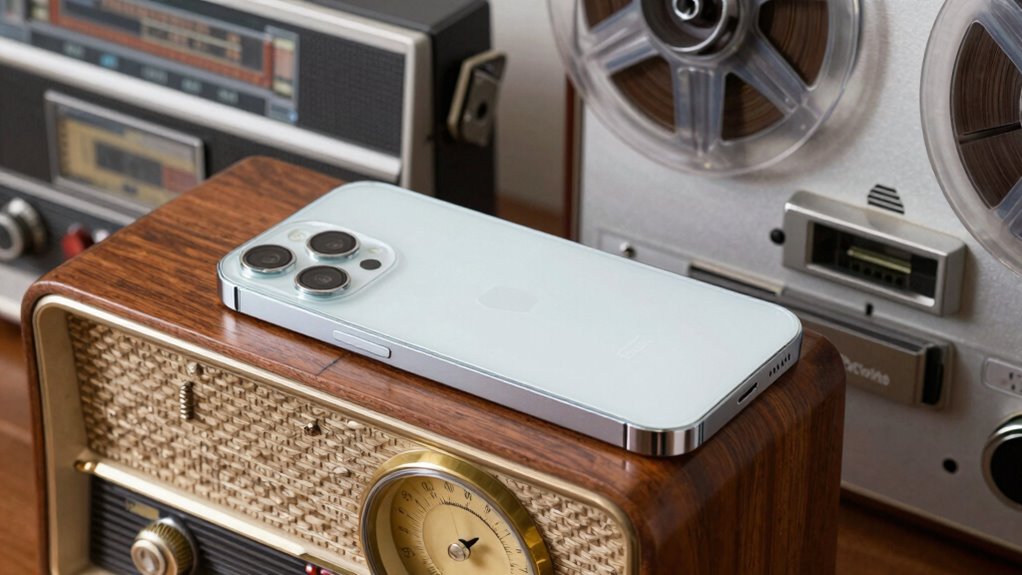

Modern gadgets borrow key lessons from vintage tech, focusing on simplicity, durability, and user control. You’ll notice streamlined interfaces that cut clutter and make features easy to understand, just like early devices. Physical controls and tactile feedback in vintage tech still influence touchscreen design, providing satisfying responses. Durability remains essential, with tough materials ensuring longevity. These timeless principles make gadgets more user-friendly and reliable, and if you keep exploring, you’ll see how these lessons still shape today’s innovative designs.

Get furniture and decor delivered free with Prime
- Fast, free delivery on millions of items
- Prime Video, Amazon Music and more included
- Member-only deals all year
Key Takeaways
- Modern gadgets adopt minimalistic interfaces inspired by vintage devices’ straightforward controls for ease of use.
- Tactile feedback in physical buttons from vintage tech enhances user confidence and interaction.
- Durability principles from vintage devices guide the use of tough materials and rigorous testing in modern products.
- Emphasis on long-term usability and build quality in vintage tech influences today’s focus on reliable, long-lasting gadgets.
- User-centered and maintainable design lessons ensure modern devices are simple, repairable, and aligned with user needs.
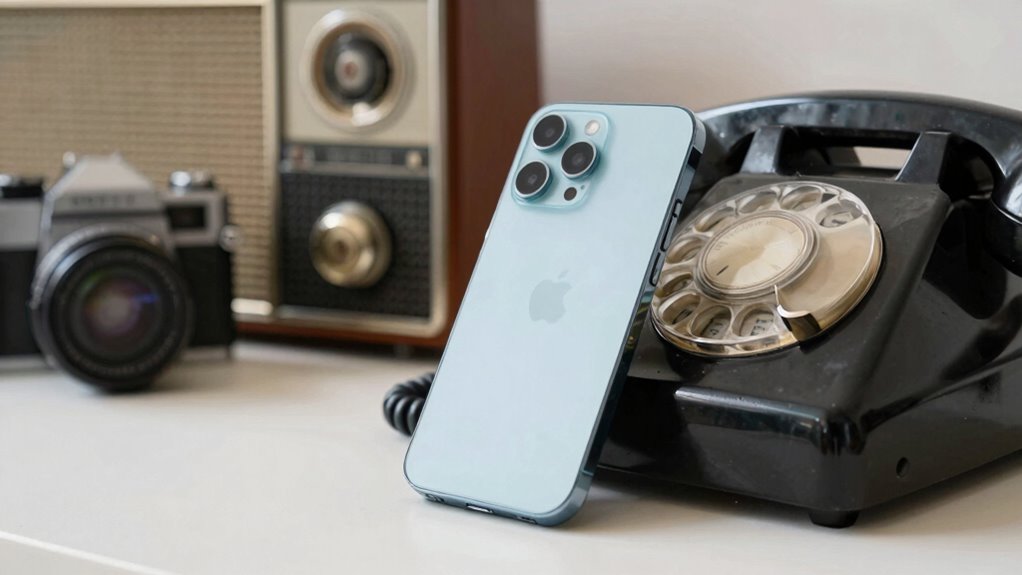
Modern gadgets often seem sleek and innovative, but they owe much of their success to design lessons borrowed from vintage tech. One of the key lessons is how to create a user interface that’s intuitive and easy to navigate. Vintage devices like rotary phones or early calculators prioritized simplicity. They forced designers to strip away unnecessary features and focus on the core experience. When you interact with a vintage radio or a mechanical watch, you quickly understand how to operate it, even without instructions. Modern designers learned from this by emphasizing minimalism and clarity in user interfaces, removing clutter and making controls straightforward. This focus on usability helps guarantee that gadgets don’t intimidate or confuse users, fostering a more natural interaction. The importance of tactile feedback from vintage tech also influences contemporary design. Physical buttons, switches, and dials provide immediate, satisfying responses, reinforcing user confidence. Today’s touchscreen interfaces aim to replicate this tactile feel, but the fundamental lesson remains: feedback and simplicity improve user experience. Additionally, vintage tech’s emphasis on durability testing has shaped how modern devices are designed to withstand the rigors of daily life, ensuring longevity and reliability. By studying how vintage gadgets were engineered for resilience, designers have adopted robust construction techniques that enhance modern device durability. Back in the day, devices were built to last. Engineers subjected gadgets to rigorous durability testing, ensuring they could withstand daily wear and tear. For instance, early mobile phones were tested for drop resistance, battery longevity, and environmental resilience before hitting the market. You might not think about it, but these durability tests shape the design of modern gadgets, making them more reliable. When you hold a vintage camera or a mechanical wristwatch, you notice their sturdy construction, which was intended to last for decades. Modern devices aim to emulate this robustness by incorporating tougher materials and thorough durability testing. Incorporating long-term usability as a core design principle encourages manufacturers to prioritize quality over fleeting trends, ultimately benefiting consumers. This approach not only extends the lifespan of products but also builds consumer trust. When a device is tested for durability, it reassures you that it can handle your busy lifestyle, accidental drops, or exposure to the elements. Moreover, understanding the importance of user-centered design can help in creating gadgets that better meet the needs and expectations of users, just as vintage tech did through its straightforward interaction. The lessons learned from vintage devices about simplicity and resilience also emphasize the importance of ease of maintenance, which ensures that gadgets remain functional and repairable over time. In essence, vintage tech teaches modern designers the importance of simplicity in user interfaces and resilience through durability testing. These lessons help create gadgets that are not only visually appealing but also functional and long-lasting. As you use your modern devices, remember that their sleek design and reliability are the results of careful lessons learned from the tech of the past. Vintage tech’s focus on straightforward interaction and durability continues to influence and improve the gadgets you rely on every day.
tactile feedback mechanical keyboard
As an affiliate, we earn on qualifying purchases.
As an affiliate, we earn on qualifying purchases.
Frequently Asked Questions
How Did Vintage Tech Influence Today’s User Interface Design?
Vintage tech influences today’s user interface design by inspiring futuristic aesthetics and minimalist interfaces. You notice how early devices embraced simple, intuitive controls, which modern gadgets emulate to enhance user experience. These lessons in clarity and functionality help you create sleek, efficient designs. Vintage tech’s emphasis on practicality guides you toward minimalist interfaces, making technology more accessible and visually appealing, blending the charm of the past with cutting-edge innovation.
What Materials Used in Vintage Gadgets Are Lacking in Modern Devices?
Remember the warm, authentic feel of vintage gadgets? Modern devices often lack the material authenticity and tactile feedback that made them so satisfying. You miss the textured surfaces, durable metals, and satisfying clicks that connected you to your tech. Today’s sleek plastics and glass may look elegant but lose that tangible, emotional bond. You can still seek gadgets that embrace vintage-inspired materials for a richer, more engaging experience.
Are There Any Vintage Design Principles Still Relevant Today?
Yes, vintage design principles like ergonomic comfort and aesthetic simplicity are still relevant today. You benefit from designs that prioritize user comfort, making devices easier and more enjoyable to use. The clean, straightforward look from vintage gadgets also encourages minimalism, reducing clutter and distraction. Incorporating these timeless principles can help modern gadgets feel more intuitive and visually appealing, creating a balance between functionality and style that users truly appreciate.
How Did Durability Impact Vintage Gadget Design Choices?
Durability played a vital role in vintage gadget design choices because manufacturers prioritized material longevity and durability testing. You’ll notice that vintage devices often used sturdy metals and thick plastics, ensuring they could withstand daily wear and tear. This focus on durability meant that gadgets lasted longer and remained functional over time, unlike many modern counterparts that often favor lightweight, sleek designs at the expense of longevity.
What Are the Environmental Impacts of Vintage Versus Modern Tech?
Think of vintage tech as a sturdy oak tree—lasting longer and decaying slowly, which reduces waste. Modern gadgets, however, often contribute to e-waste faster, increasing landfill clutter. Their energy consumption and recycling practices impact the environment more heavily. You can decrease your footprint by supporting devices designed for longevity, recycling responsibly, and choosing energy-efficient options, helping balance technological progress with environmental health.
As an affiliate, we earn on qualifying purchases.
Conclusion
So, next time you pick up a sleek modern gadget, remember it’s built on the lessons learned from vintage tech. Those classic designs weren’t just about style—they were about functionality, simplicity, and user experience. Don’t overlook the value of the past; it’s the foundation for innovation. Sometimes, you’ve got to look back to move forward, proving that old tricks can still be new tricks when you know where to look.
minimalist smartphone with physical controls
As an affiliate, we earn on qualifying purchases.
As an affiliate, we earn on qualifying purchases.
robust construction vintage camera
As an affiliate, we earn on qualifying purchases.
As an affiliate, we earn on qualifying purchases.
Fall Picks
fall essentials
As an affiliate, we earn on qualifying purchases.