
TL;DR

Get furniture and decor delivered free with Prime
- Fast, free delivery on millions of items
- Prime Video, Amazon Music and more included
- Member-only deals all year
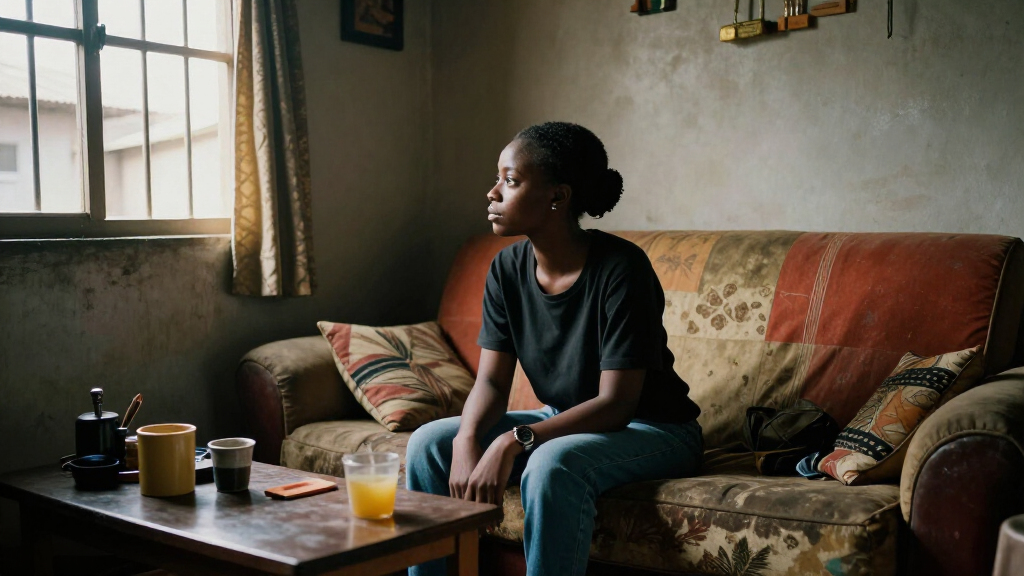
Rising rental prices in Lagos, driven by centrally imposed costs, are forcing many residents into financial hardship. This trend reflects a broader housing affordability crisis in Nigeria’s economic hub.
Rising rental prices in Lagos have been driven by policies and market dynamics centered around the city’s core areas, leading many residents to the brink of financial hardship. The trend, confirmed by recent reports, reflects a housing affordability crisis that intensifies as the cost of living outpaces income growth.
Recent analyses indicate that rental prices in Lagos’s central districts have increased sharply over the past year, with some reports suggesting price hikes of up to 30% in key neighborhoods. This escalation is attributed to a combination of factors, including increased land prices, inflation, and policies that favor developers and property owners in prime locations, according to industry sources.
Many residents, especially low- and middle-income earners, find themselves unable to keep up with these rising costs. Surveys and anecdotal reports indicate a growing number of tenants are paying more than 50% of their income on rent, pushing them into financial stress or forcing them to seek cheaper, often less desirable, outskirts or informal housing options.
Officials and housing experts acknowledge the trend but emphasize that the pricing strategies are driven by market forces and urban development policies aimed at attracting investments and boosting the local economy. However, critics argue that these policies overlook the social impact on residents, especially those in vulnerable economic brackets.
Implications of Rental Price Escalation for Lagos Residents
The sharp increase in rental costs in Lagos’s central areas has significant implications for residents’ economic stability and social cohesion. Many tenants are now forced to allocate a disproportionate share of their income to housing, leaving less for essentials like food, healthcare, and education. This trend risks deepening inequality and increasing homelessness, as affordability becomes a barrier to stable housing for many.
Furthermore, the escalation may slow down economic mobility, as workers and small business owners struggle to afford living costs in the city’s core, potentially affecting productivity and local economic growth. The trend also raises concerns about long-term sustainability of urban development policies that prioritize high-end real estate over inclusive housing solutions.
As an affiliate, we earn on qualifying purchases.
Background of Lagos’s Housing Market and Pricing Trends
Lagos has long faced a housing shortage, with demand outstripping supply in many parts of the city. Over the past decade, property prices and rents have steadily increased, driven by urbanization, population growth, and investment inflows. In recent years, government policies have aimed to attract foreign and local investors, often resulting in the development of luxury estates and commercial hubs in the city center.
However, these developments have contributed to a widening gap between high-end and affordable housing options. Critics argue that the focus on luxury developments has priced out many residents, pushing lower-income groups into informal settlements or peripheral areas with less access to amenities and services. The recent surge in rental prices appears to be a continuation of this trend, exacerbated by inflation and speculative market behavior.
As an affiliate, we earn on qualifying purchases.
Unclear Factors Behind the Rapid Price Increase
While market forces and policy influences are cited as causes, it remains unclear how much government regulation, inflation, and speculative activities specifically contribute to the recent spike. Details on the exact policy measures or market interventions driving these increases are still emerging, and some experts suggest more research is needed to fully understand the dynamics.
budget-friendly mattress for small apartments
As an affiliate, we earn on qualifying purchases.
As an affiliate, we earn on qualifying purchases.
Potential Policy Responses and Market Adjustments
Moving forward, stakeholders—including government authorities, housing advocates, and developers—may need to negotiate strategies to address affordability. Possible measures include implementing rent controls, increasing social housing projects, or regulating speculative practices. Monitoring rental trends and engaging in policy discussions will be crucial in the coming months to prevent further displacement and hardship for Lagos residents.
multi-purpose furniture for small living spaces
As an affiliate, we earn on qualifying purchases.
As an affiliate, we earn on qualifying purchases.
Key Questions
Why are rental prices rising so rapidly in Lagos?
Rental prices are rising due to a combination of market demand, increased land and property costs, inflation, and policies favoring high-end development, which reduce affordable options for most residents.
Who is most affected by the rising rents?
Low- and middle-income tenants are most affected, as they spend a larger proportion of their income on rent, pushing many toward financial hardship or informal housing arrangements.
Are there government measures to control rental prices?
Currently, there are limited policies directly regulating rent increases, though discussions around affordable housing and rent control are ongoing among policymakers and advocates.
What are residents doing in response to rising rents?
Many residents are moving to outskirts or informal settlements, sharing accommodations, or seeking alternative housing options that are more affordable but may lack amenities or security.
Source: local
Fall Picks
fall essentials
As an affiliate, we earn on qualifying purchases.