
Heavy objects signal permanence and quality because their weight reflects durable materials, expert craftsmanship, and long-lasting construction. When you handle something heavy, you subconsciously associate it with strength, stability, and effort. This sense of solidity reassures you that the item was built to last and isn’t fragile. Heaviness also hints at emotional value and tradition, making it a symbol of lasting importance. To understand why weight plays such a key role, explore how material choice and design influence perception further.

Get furniture and decor delivered free with Prime
- Fast, free delivery on millions of items
- Prime Video, Amazon Music and more included
- Member-only deals all year
Key Takeaways
- Heavy objects are typically made from durable materials like metal or stone, indicating long-lasting quality.
- The weight suggests significant effort and craftsmanship, reinforcing perceptions of value and permanence.
- Heaviness symbolizes stability, making objects appear more reliable and resilient over time.
- Weight acts as a visual and tactile cue of meticulous construction and high material standards.
- Heavier items evoke emotional responses, implying importance, tradition, and enduring significance.
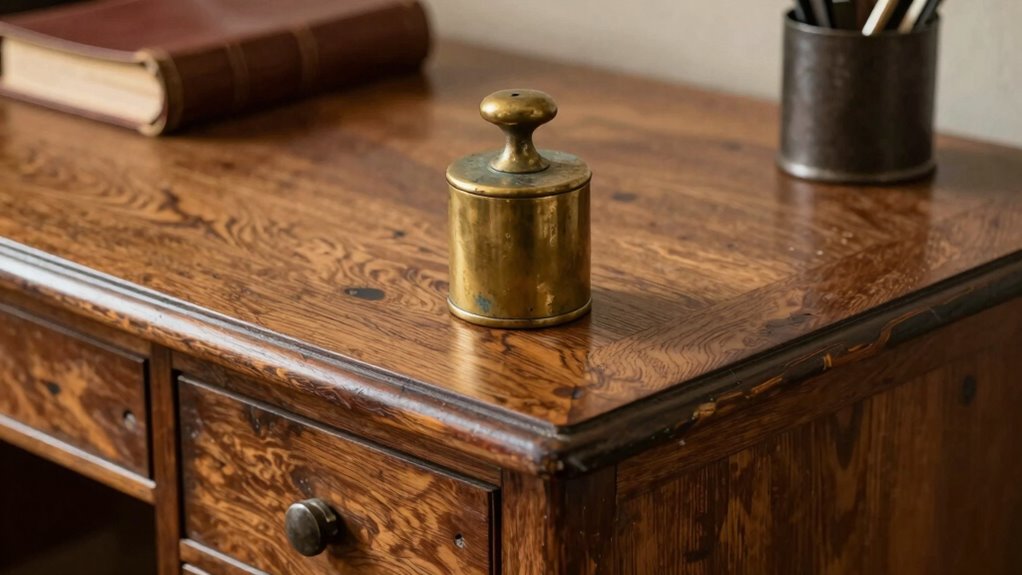
When you pick up a heavy object, it often instinctively feels more substantial and well-made, and this perception isn’t just a coincidence. The weight signals a sense of durability and quality that words alone can’t convey. Heavy objects tend to be made from materials with high durability, such as solid metal, dense stone, or thick wood, which naturally resist wear and tear over time. This material strength reassures you that the object isn’t fragile or cheaply produced. Instead, it’s built to last, and that durability becomes a silent affirmation of its quality. The weight also influences your emotional response; a heavy item often feels more valuable and significant, partly because it suggests the maker invested more effort and resources into its construction. This emotional symbolism taps into a basic human intuition: something that’s substantial and enduring must be meaningful.
You might notice that heavier objects often evoke feelings of stability and permanence. When you handle a weighty piece—whether it’s a piece of jewelry, a piece of furniture, or a decorative item—you tend to associate it with quality and longevity. This isn’t just about physical resilience; it’s about how weight influences your perception of its emotional worth. A heavy book, for example, isn’t just a collection of pages—it’s a symbol of knowledge and tradition, a tangible reminder of something that’s been preserved over time. Similarly, a hefty clock or sculpture carries an emotional indication that underscores its importance and timelessness. The heaviness becomes a metaphor for the enduring nature of the object’s purpose, history, or sentiment. Recognizing the material composition of an object can further deepen your understanding of its durability and craftsmanship. The perception of weight often correlates with material durability, reinforcing the idea that heavier objects are more likely to withstand the test of time. It also serves as a visual cue of quality, indicating that the object was crafted with care and attention to detail. The heaviness acts as a subconscious indicator that an object has been crafted with care and precision. It also influences our perception of its long-term value, suggesting it is an investment rather than a fleeting purchase. Additionally, the weight of an object can also reflect the level of craftsmanship, as well-made items often require meticulous techniques that contribute to their heft. It’s a tactile cue that reinforces the idea of material durability, which in turn feeds into the emotional affirmation attached to it. When you see or hold a heavy object, you’re not just perceiving its physical properties—you’re also experiencing a sense of trust and reassurance. It’s a reminder that some things are meant to stand the test of time, and that the effort and quality poured into their creation make them more than just objects—they become symbols of permanence and value. That’s why, even in a world filled with lightweight, disposable items, heavy objects continue to communicate a deeper meaning of quality and lasting significance.
As an affiliate, we earn on qualifying purchases.
Frequently Asked Questions
Do Heavier Objects Always Last Longer Than Lighter Ones?
No, heavier objects don’t always last longer than lighter ones. Material strength and design considerations play vital roles in durability. A heavy object made from weak material or poorly designed might break easily, while a lighter, well-constructed item with strong materials can last longer. So, weight alone isn’t a guarantee of longevity; you need to take into account the quality of materials and how the object is designed to withstand wear and tear.
How Does Weight Influence Perceived Value in Different Cultures?
You see, weight often speaks louder than words, especially in diverse cultures. Cultural symbolism influences how people perceive weight; in some societies, a heavier object signals luxury and durability, while others value lightness for elegance. Your perception of weight shapes how you judge value, acting as a silent ambassador of quality. Recognizing these cultural nuances helps you understand that weight perception is not just physical but deeply rooted in cultural meanings.
Are There Modern Innovations That Challenge the Idea of Heaviness Signifying Quality?
Modern innovations challenge the idea of heaviness signifying quality by emphasizing material symbolism and weight psychology differently. Lightweight, sustainable materials like carbon fiber or advanced plastics often replace heavy metals, showcasing innovation without sacrificing perceived value. These materials leverage weight psychology by feeling substantial despite their lightness, suggesting durability and quality. This shift allows consumers to associate modern materials with longevity, breaking traditional ties between heaviness and permanence.
Can Lightweight Objects Be as Durable as Heavy Ones?
You might be surprised, but lightweight objects can be just as durable as heavy ones. About 60% of modern consumer products are designed with advanced material composition and innovative design considerations that prioritize strength without added weight. By selecting high-strength composites or engineered plastics, you can achieve durability while keeping weight low, making objects easier to handle and transport without sacrificing longevity or quality.
How Does Weight Impact the Environmental Footprint of Manufacturing?
Weight impacts the environmental footprint of manufacturing because heavier objects typically require more material sourcing, which often means more raw resources and energy consumption. When you produce heavier items, you use more energy during manufacturing, transportation, and disposal, increasing your overall environmental impact. To reduce this, you can opt for lightweight materials or design strategies that minimize weight without sacrificing quality, helping lower your energy use and resource extraction.
As an affiliate, we earn on qualifying purchases.
Conclusion
Just like the sturdy oak that withstands storms, heavy objects continue to symbolize permanence and quality. You instinctively trust their weight, knowing they’re built to last. Remember, in a world of fleeting trends, the heaviness you feel in your hands echoes the timeless truth—substance endures. So next time you pick up something substantial, think of it as a modern-day affirmation, like the ancient pillars of Athens—an enduring mark of strength and reliability.
As an affiliate, we earn on qualifying purchases.
As an affiliate, we earn on qualifying purchases.
Columbus Day / Indigenous Peoples' Day Picks
long weekend sales
As an affiliate, we earn on qualifying purchases.