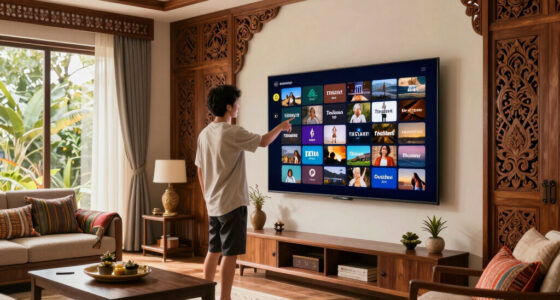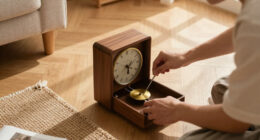
Postwar optimism inspired you to embrace modern design, blending style with practicality in MCM rooms and appliances. This era focused on innovation, leading to sleek, functional furnishings with clean lines, geometric shapes, and innovative materials. Appliances became statement pieces, crafted to improve everyday life while fitting seamlessly into the modern home. The optimistic outlook emphasized progress, shaping spaces that are both beautiful and efficient. Stay with us to discover more about how this hopeful spirit changed interior design forever.

Get furniture and decor delivered free — and shop member deals
- Fast, free delivery on millions of items
- Access to Prime Big Deal Days deals on October 6–7
- Prime Video, Amazon Music and more included
Key Takeaways
- Postwar optimism fueled design innovation, emphasizing modern, functional, and visually appealing MCM rooms and appliances.
- Advances in materials and technology led to sleek, compact appliances with minimalist aesthetics.
- The shift from ornate to simple designs created open, efficient living spaces reflecting progress.
- Materials and color schemes focused on harmony, contrast, and durability, enhancing both style and functionality.
- The optimistic outlook inspired timeless designs that blend nostalgia with contemporary practicality.
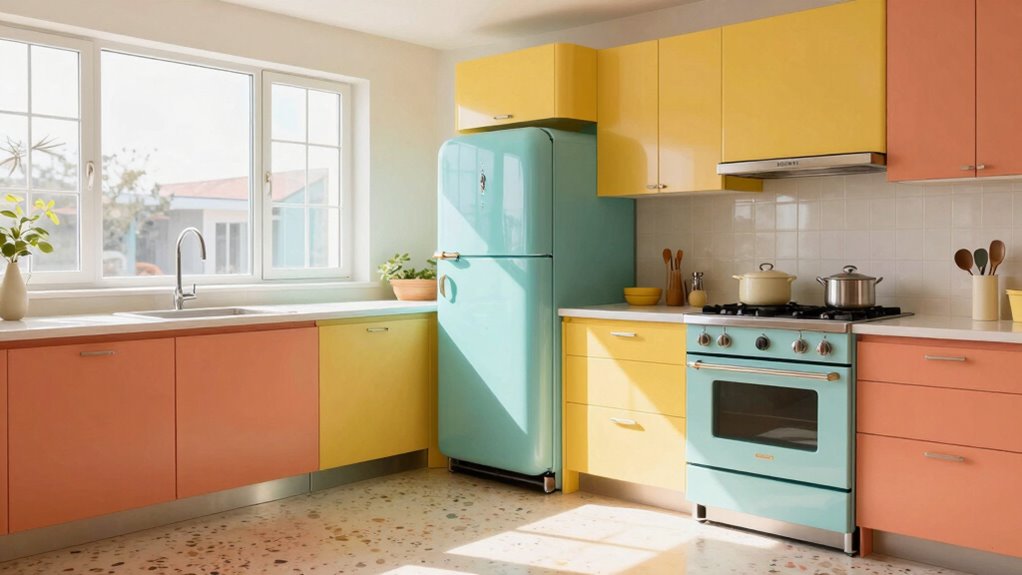
Are you looking to upgrade your living space with stylish and functional rooms and appliances? If so, understanding how postwar optimism shaped Mid-century Modern (MCM) rooms and appliances can give you a fresh perspective on why these designs remain timeless. After World War II, a wave of hope and confidence swept through society, fueling a desire for innovation, modernity, and comfort. You’ll notice that MCM rooms are not only visually appealing but also created with real-life use in mind, blending form and function seamlessly.
Postwar optimism shaped timeless Mid-century Modern design, blending style and function for modern, comfortable living spaces.
Technological innovations played a vital role in defining this era. Advancements in manufacturing, materials, and engineering made it possible to produce appliances that were both stylish and efficient. You’ll find that many appliances from this period feature sleek metal finishes, simple controls, and compact sizes, reflecting a shift toward minimalism and practicality. These innovations weren’t just for aesthetics; they aimed to improve everyday life, making chores easier and homes more comfortable. For example, refrigerators, stoves, and washing machines were designed to fit neatly into modern living spaces, often incorporating new electrical features that boosted convenience and performance. This era’s technological progress facilitated the creation of appliances that seamlessly integrated into modern homes, exemplifying the innovative spirit of the time. Additionally, the use of new electrical features was pivotal in defining the functionality and appeal of postwar appliances.
The optimism of the postwar years also encouraged a break from traditional, ornate designs. Instead, MCM rooms embraced a sense of openness and simplicity, which meant fewer decorative details and more focus on the quality of materials and innovative forms. You’ll see this reflected in furniture with tapered legs, geometric shapes, and the clever use of space. Appliances became more than just utilities; they turned into statements of modern living, with sleek handles, smooth surfaces, and minimalist interfaces that complemented the overall aesthetic. This era celebrated progress, and your home could mirror that same spirit by integrating these timeless styles and smart devices. Additionally, the focus on color accuracy and contrast ratios in design elements contributed to creating visually harmonious and appealing environments. Moreover, the use of innovative materials during this period helped to reinforce the durability and aesthetic appeal of MCM appliances and furniture.
In essence, the postwar period’s optimistic outlook fostered a design philosophy rooted in progress and innovation. Mid-century design, driven by technological innovations, transformed ordinary rooms into spaces that were not only beautiful but also functional. Today, you can appreciate how these influences continue to inspire contemporary interiors, blending nostalgic charm with modern convenience. The optimism of that era isn’t just history; it’s a blueprint for creating spaces that are both stylish and forward-thinking.
As an affiliate, we earn on qualifying purchases.
Frequently Asked Questions
How Did Postwar Economic Growth Influence Appliance Innovation?
Postwar prosperity boosted appliance innovation by increasing demand and funding for new technologies. You find appliances more accessible and affordable, encouraging you to modernize your home. Manufacturers respond by creating innovative, efficient designs that fit your lifestyle. This surge in appliance accessibility makes daily chores easier, reflecting the optimistic outlook of the era. As a result, you enjoy a more comfortable, stylish home with state-of-the-art appliances that symbolize progress and growth.
What Materials Were Popular in MCM Room Designs?
Imagine you’re designing a mid-century modern room, where materials like teak, walnut, and aluminum dominate. These woods bring warmth, while bold, vibrant color palettes—think avocado green and burnt orange—accentuate the sleek furniture. You’ll find fiberglass and Formica used for countertops and accent pieces, blending durability with style. These materials reflect the optimistic spirit of the era, making your space both functional and beautifully timeless, like a vintage masterpiece.
Did Wartime Technologies Impact Appliance Development?
Yes, wartime technologies profoundly impacted appliance development. Military innovation led to technological advancements that made appliances more efficient and reliable. You’ll notice these improvements in the sleek, futuristic designs of MCM rooms, where innovations like new materials and electrical systems originated from military research. Postwar optimism fueled this progress, encouraging consumers to embrace these advancements, which transformed everyday appliances into symbols of modernity and technological progress.
How Did Consumer Expectations Change After the War?
Postwar consumer confidence skyrocketed, sparking a shift toward family-centric design. You now expect appliances to be more functional, fashionable, and friendly, reflecting your desire for comfort and convenience. This optimism led to brighter, more inviting rooms that prioritized practicality and aesthetic appeal. You sought modern, multifunctional appliances that fit your family-focused lifestyle, fueling a wave of innovation and inspiring a new era of stylish, smart, and satisfying home solutions.
Were MCM Rooms Tailored for Specific Household Functions?
Yes, MCM rooms were tailored for specific household functions, emphasizing functional design with decorative aesthetics. You’ll notice layouts that prioritize efficiency, with each space customized to its purpose—like kitchens with streamlined work areas or living rooms designed for socializing. The focus on layout customization allows you to optimize your space, blending form and function seamlessly, so your home reflects both style and practicality in every room.
Sleek minimalist kitchen appliances
As an affiliate, we earn on qualifying purchases.
As an affiliate, we earn on qualifying purchases.
Conclusion
As you step into a Mid-Century Modern room, you’re walking through a time capsule fueled by postwar optimism. The sleek appliances and bold design choices aren’t just decor—they’re echoes of hope, innovation, and a future bright with promise. Just as a clear sky promises a new dawn, these spaces invite you to embrace progress and beauty side by side. In these rooms, the spirit of optimism dances like sunlight on polished surfaces, inspiring you to dream bigger.
As an affiliate, we earn on qualifying purchases.
As an affiliate, we earn on qualifying purchases.
Halloween Picks
halloween
As an affiliate, we earn on qualifying purchases.