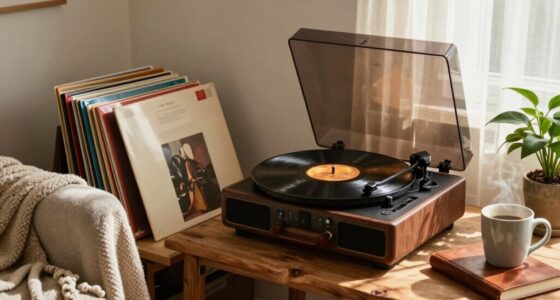
To interpret a room through its materials, lines, and objects, pay attention to textures and surfaces— plush fabrics suggest comfort, while glass or steel hint at formality. Notice curved lines and rounded shapes that create a welcoming vibe, or sharp angles indicating control. Observe how furniture is arranged, revealing social hierarchies, and consider lighting and color choices to understand the mood. Exploring these cues further can give you deeper insights into the space’s true purpose and atmosphere.

Get furniture and decor delivered free — and shop member deals
- Fast, free delivery on millions of items
- Access to Prime Big Deal Days deals on October 6–7
- Prime Video, Amazon Music and more included
Key Takeaways
- Analyze material textures and surfaces to gauge the room’s ambiance, such as plush fabrics indicating comfort or hard surfaces suggesting formality.
- Observe lines and shapes—curves imply friendliness, sharp angles suggest control or professionalism.
- Assess furniture arrangement and object placement for social hierarchy and interaction cues.
- Note color schemes and textures to understand the emotional tone or mood of the space.
- Consider cultural and design influences reflected in decor to interpret the room’s purpose and social context.
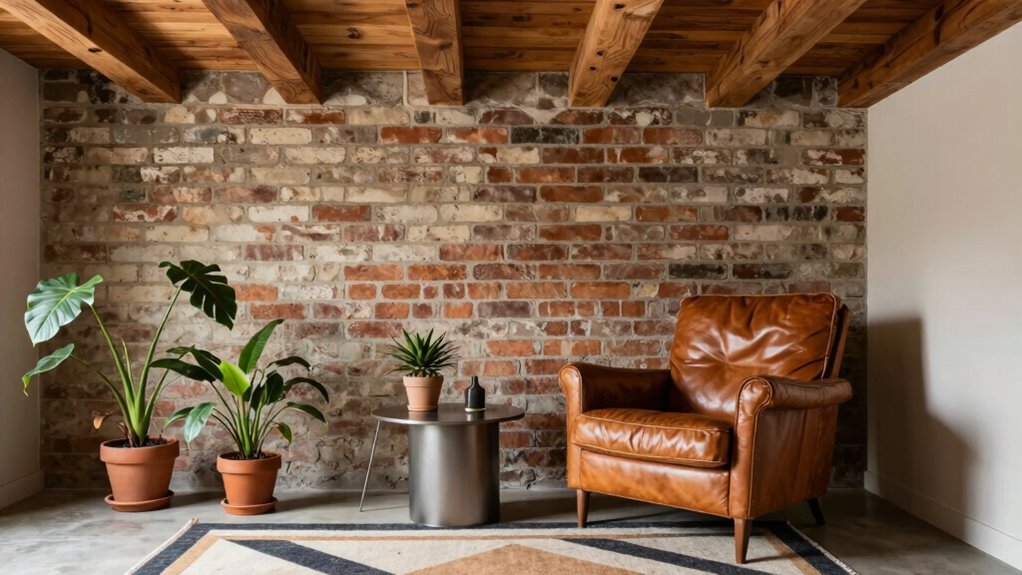
Reading a room is an essential skill that can help you navigate social situations more effectively. When you step into a space, pay attention not just to the people but also to the materials, lines, and objects that fill the room. These elements communicate subtle messages about the atmosphere and the people present. For example, the choice of colors and textures can reveal underlying moods and cultural influences. Color psychology plays a significant role here—bright, warm colors like red and orange often evoke energy and enthusiasm, while cooler shades like blue and green tend to promote calmness and serenity. Recognizing these cues allows you to gauge whether the room’s vibe is lively, relaxed, or tense, helping you adapt your approach accordingly.
Pay attention to colors and textures to understand the mood and cultural influences shaping the room’s atmosphere.
The materials used in the room also speak volumes. Plush fabrics, sleek metals, or rough wood each carry their own connotations. Soft, inviting materials like velvet or wool may suggest a desire for comfort and intimacy, whereas sharp, hard surfaces like glass or steel can indicate formality or modernity. When you see plush rugs or cozy cushions, it hints that the space encourages relaxation and personal connection. Conversely, minimalistic, stark decor might signal a focus on professionalism or efficiency. These choices reflect the cultural influences behind the room’s design—some cultures favor vibrant, ornate decor, while others lean toward simplicity and functionality. Understanding these cultural influences can help you interpret the environment more accurately and respond appropriately. Additionally, the contrast ratio present in lighting and decor can influence how welcoming or sterile a space feels, impacting your overall perception of the room. Paying attention to design principles like balance and harmony can further deepen your understanding of the space’s intended mood.
Lines and shapes within the room also offer insight. Curved lines and rounded objects tend to create a welcoming, friendly atmosphere, while sharp angles and geometric shapes can evoke a sense of order and control. Notice how furniture is arranged—are seating areas clustered together, fostering conversation, or spread apart, suggesting formality? The way objects are placed can reveal power dynamics or social priorities, making it easier to understand how people might interact or feel within the space. Furthermore, the spatial layout can influence the flow of movement and interaction, revealing the intended purpose or social hierarchy within the environment. Recognizing these visual cues can help you better anticipate social dynamics and respond with greater sensitivity.
As an affiliate, we earn on qualifying purchases.
Frequently Asked Questions
How Do Color Choices Influence Room Mood and Perception?
Color choices profoundly influence your room’s mood and perception through color psychology and emotional impact. Bright, bold colors like red energize and stimulate, while cool tones such as blue promote calmness and relaxation. Neutral shades create balance and sophistication. By selecting colors intentionally, you can evoke specific feelings and set the atmosphere you desire, making your space more inviting, productive, or soothing depending on your goals.
Can Furniture Placement Alter the Perceived Size of a Room?
Yes, furniture arrangement can considerably alter your perception of a room’s size. By strategically placing larger pieces against walls, you create open space, making the room feel larger. Conversely, clustering furniture in the center can make it seem smaller and more intimate. Adjusting the layout influences your spatial perception, guiding how spacious or cozy a room appears. Thoughtful furniture placement transforms perception, enhancing your overall experience of the space.
What Are Common Signs of Neglect or Disrepair in Room Materials?
You’ll notice signs of neglect or disrepair in room materials through peeling paint, warped or cracked surfaces, and loose or missing decorative accents. Structural damages might include sagging ceilings, uneven flooring, or gaps in walls. These issues often signal long-term neglect, so look for water stains, mold, or rust as further clues. Addressing these signs promptly helps maintain the room’s integrity and aesthetic appeal.
How Do Cultural Differences Affect Room Interpretation?
You might think everyone interprets a room the same way, but cultural differences deeply influence your perception. Cultural symbolism shapes what certain materials or objects mean, while spatial norms dictate how you feel about space and layout. Ironically, what feels welcoming in one culture could seem restrictive or strange in another. So, when you read a room, consider these cultural cues—your understanding hinges on recognizing diverse symbolism and spatial expectations.
What Role Do Lighting and Shadows Play in Room Analysis?
Lighting effects and shadow play are essential in room analysis because they influence mood and perception. You notice how bright lighting creates a lively, open atmosphere, while dim lighting fosters intimacy or mystery. Shadows add depth and contrast, emphasizing certain objects or lines. By observing how light interacts with materials and shapes, you can better understand the room’s purpose, emotional tone, and even its history or cultural influences.
modern glass and steel coffee table
As an affiliate, we earn on qualifying purchases.
As an affiliate, we earn on qualifying purchases.
Conclusion
By paying close attention to materials, lines, and objects, you naturally pick up on subtle cues that reveal a space’s story. Every detail, like a whispered secret, guides your understanding—coincidences that feel like pieces falling into place. When you trust these observations, the room speaks to you, telling its true essence. So, stay curious, stay attentive—because in reading a room’s materials and lines, you’re really uncovering its hidden language, one detail at a time.
As an affiliate, we earn on qualifying purchases.
As an affiliate, we earn on qualifying purchases.
Halloween Picks
halloween
As an affiliate, we earn on qualifying purchases.