
TL;DR

Get furniture and decor delivered free — and shop member deals
- Fast, free delivery on millions of items
- Access to Prime Big Deal Days deals on October 6–7
- Prime Video, Amazon Music and more included
A House Beautiful report, citing professional cleaners, advises against using melamine-foam Magic Erasers on seven surfaces or materials. The experts say abrasion may damage finishes or coatings, and warn that contact with skin can cause irritation or friction burns. They recommend surface-specific cleaners and soft cloths instead.
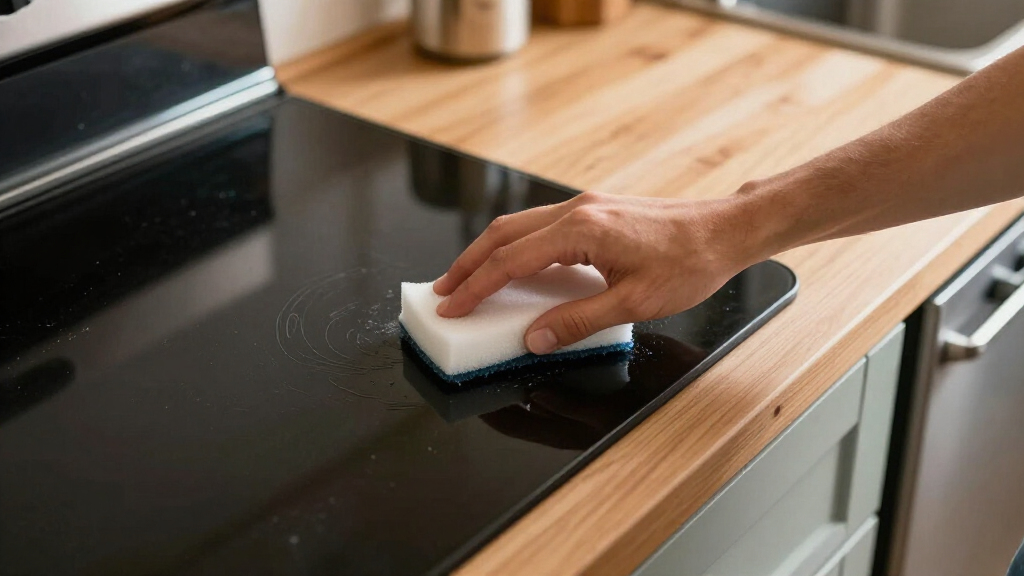
A House Beautiful report featuring advice from professional cleaners warns that Magic Erasers should not be used on seven surfaces: stainless steel, car paint, nonstick cookware, stone countertops, hardwood floors, electronic screens and skin. The cleaners say the melamine-foam sponge works through physical abrasion, which can mark or wear delicate finishes and coatings rather than simply lifting away grime.
Sofia Martinez, CEO of Sparkly Maid Austin, describes a Magic Eraser as a sponge made of melamine foam that removes scuffs and grime through friction. That mechanism can be useful on some marks, but the experts say it also makes the sponge a poor choice for surfaces that depend on a smooth finish or protective layer. Effects may not be immediately obvious: Martinez says stainless steel, for example, can develop a hazy or uneven-looking patch under kitchen lighting.
The report’s seven warnings cover both household surfaces and personal safety. Martinez cautions against using the sponge on stainless steel, nonstick cookware, stone countertops and screens; Adam Ziegelman, owner of San Diego County Maid Brigade, warns against using it on car paint and hardwood floors. Derek Christian, co-owner of All Star Cleaning Services, says it should not touch skin because its abrasive action can cause irritation or friction burns.
The suggested alternatives are less abrasive and matched to the material: use soap, water and a microfiber cloth on stainless steel; car soap and a microfiber mitt on vehicle paint; and nonabrasive methods on nonstick cookware. For stone, Kadi Dulude of Wizard of Homes recommends a cleaner formulated for stone and a microfiber cloth. For wood floors, Ziegelman advises following the maker’s care instructions and using an approved cleaner with a soft microfiber pad.
Why Abrasive Cleaning Can Leave Damage
The warning matters because a Magic Eraser can look and feel like an ordinary sponge, while its cleaning action is mechanical abrasion. On finishes designed to stay smooth or glossy, repeated or forceful rubbing may leave scratches, dullness or uneven patches. On nonstick cookware, damage to the coating can compromise the surface; Martinez says cleaning cannot restore a coating once it is scratched, peeling or otherwise compromised.
The report does not say that every use on these materials will cause visible damage. It identifies a risk and explains why a gentler, material-specific method is safer. Choosing an appropriate cleaner can help protect costly surfaces and coatings, while avoiding an abrasive sponge on skin reduces the chance of irritation or injury.
As an affiliate, we earn on qualifying purchases.
How the Seven Warnings Differ
The advice appeared in a House Beautiful article about using Magic Erasers correctly. Its central explanation is that melamine foam lifts marks through friction, unlike a microfiber cloth, which can clean without the same abrasive action. The article draws on comments from four cleaning professionals and applies their advice to specific surfaces rather than claiming that the product is unsuitable for every cleaning task.
Some cautions concern appearance: abrasion may affect the grain or finish of stainless steel, dull polished stone, wear a hardwood floor’s finish or leave haze on a screen. Others concern protective coatings, including car paint and nonstick cookware. The report also distinguishes surface cleaning from skin contact, which Christian advises avoiding altogether.
“A Magic Eraser is a cleaning sponge made from melamine foam. Its structure helps lift scuffs, grime, and surface marks through physical friction.”
— Sofia Martinez, cleaning expert and CEO of Sparkly Maid Austin
As an affiliate, we earn on qualifying purchases.
Damage Depends on Surface and Use
The report does not provide controlled tests, quantify how often damage occurs or specify how much pressure or use would cause visible wear. The effects may differ by product formulation, surface finish, existing condition and cleaning technique. Martinez says some stainless-steel damage may be hard to see at first, while the article also notes that a Magic Eraser may fail to remove stains that have penetrated stone.
The source does not identify every brand, finish or manufacturer instruction for the listed materials. Its guidance is attributed to cleaning professionals and should not be read as a claim that damage is inevitable in every case. For a particular item, the manufacturer’s care instructions remain the more specific reference.
As an affiliate, we earn on qualifying purchases.
Check Care Labels Before Cleaning
Before using an abrasive cleaning sponge, check the item’s care instructions and choose a cleaner intended for that material. Use a soft microfiber cloth or pad where the report recommends one, and avoid applying a Magic Eraser to skin, screens, coated cookware or finished surfaces. The source offers no later tests or follow-up findings; its practical advice is to use gentler, surface-specific methods rather than risk damage.
As an affiliate, we earn on qualifying purchases.
Key Questions
Why can a Magic Eraser damage some surfaces?
It is made from melamine foam and removes marks through physical friction. That abrasive action may scratch, dull or wear a surface’s finish or coating.
Which seven things does the report say not to clean with one?
The report lists stainless steel, car paint, nonstick cookware, stone countertops, hardwood floors, electronic screens and skin.
What should I use on a stone countertop instead?
Kadi Dulude, owner of Wizard of Homes, recommends a cleaner formulated for stone and a microfiber cloth. Check the countertop maker’s care instructions for guidance specific to its finish.
Can a Magic Eraser damage nonstick cookware?
Martinez warns that abrasion may weaken or damage the nonstick coating. If the coating is scratched or peeling, the report says cleaning cannot restore it; use nonabrasive cleaning methods instead.
Is damage guaranteed every time?
No. The report describes risks, not a guarantee that every use will cause visible damage. It does not provide test results or quantify the risk, so follow the item maker’s care instructions and use a surface-appropriate cleaner.
Source: rss
Halloween Picks
halloween
As an affiliate, we earn on qualifying purchases.