
Many myths about vacuum tube gear, like their fragility and short lifespan, are simply not true if you maintain them properly. Well-maintained tubes can last thousands of hours or even decades, and replacing them is a routine part of care. Modern manufacturing and careful handling make tubes more durable than you might think. If you want to understand how these misconceptions are easily addressed, keep exploring the facts behind tube gear’s reliability.
Key Takeaways
- Well-maintained vacuum tubes can last thousands of hours, contradicting the myth of quick burnout.
- Tubes degrade gradually, allowing predictable replacement before performance drops significantly.
- Proper handling and installation ensure tubes are durable and not as fragile as often believed.
- Regular maintenance and correct operating conditions extend tube lifespan, reducing perceived costs and hassle.
- Modern manufacturing and advancements improve tube reliability, debunking myths of obsolescence and fragility.
Have you ever wondered if vacuum tubes are outdated or just misunderstood? Many people see tubes as fragile, old-fashioned components that quickly wear out and require constant replacement. But the truth isn’t quite that simple. While it’s true that vacuum tubes have a limited tube lifespan, they’re often more durable than skeptics assume. A well-maintained tube can last for thousands of hours—sometimes even decades—before it needs replacement. When it does reach the end of its lifespan, replacing a tube isn’t a complicated or frequent task. Unlike some believe, tube replacement isn’t an ongoing hassle; it’s a straightforward process that’s part of routine maintenance for tube gear.
Vacuum tubes are more durable and easier to replace than many believe.
The idea that vacuum tubes burn out quickly is a common misconception. Many think that once a tube stops working, the entire device becomes useless or that tubes are inherently unreliable. In reality, tubes tend to degrade gradually rather than suddenly failing. You might notice a slight loss in audio quality or a change in tone before the tube actually dies. This gradual deterioration allows you to predict when a tube might need replacing, giving you time to find a suitable replacement before performance drops markedly. Plus, modern tubes are built to last longer than older models, making tube replacement less frequent and more manageable.
Another myth is that tubes are inherently fragile and can’t withstand the rigors of everyday use. While it’s true that tubes are glass components and need careful handling, they aren’t as delicate as many think. Properly installed and maintained, tubes can handle normal operating conditions without issue. You don’t need to replace them every few months—most audiophiles and musicians only swap out tubes when they notice a decline in sound quality or when upgrading to a different tube for tonal reasons. This longevity underscores that tubes aren’t as fragile or disposable as some believe. Additionally, advancements in tube manufacturing have improved their durability and performance, further dispelling the myth of fragility.
In addition, many assume that tube gear is high-maintenance and expensive to keep running. While tubes do require some attention, the cost and effort involved in tube replacement are often exaggerated. With proper care, your tubes can serve you well for many years. Regularly checking your gear, replacing tubes when necessary, and ensuring your equipment operates within recommended conditions will extend the lifespan of each tube. Ultimately, understanding these facts helps demystify vacuum tubes and dispels myths about their durability and maintenance needs. They’re not outdated relics but reliable components that, with proper care, can provide excellent performance over a long period.
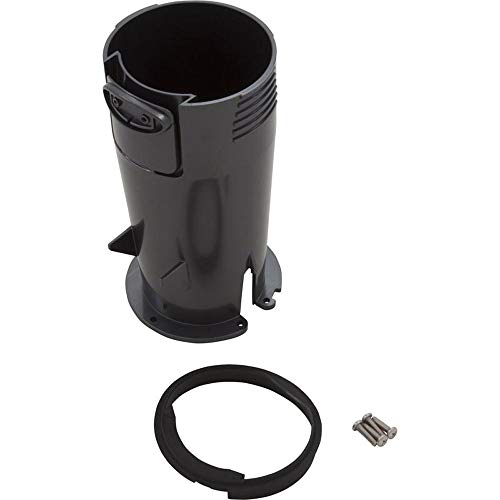
Pentair Vacuum Tube Kit, Racer
Vacuum Tube Kit, Pentair Racer.
As an affiliate, we earn on qualifying purchases.
As an affiliate, we earn on qualifying purchases.
Frequently Asked Questions
Do Vacuum Tubes Really Last Longer Than Solid-State Components?
Vacuum tubes generally don’t last longer than solid-state components, but their lifespan depends on durability factors like usage and operating conditions. You might find tubes needing replacement after 1,000 to 5,000 hours, while solid-state parts often last much longer. However, tubes are often easier to replace and can be reconditioned, giving them a unique charm. Ultimately, your tube gear’s longevity hinges on proper care and the specific components used.
Are Vintage Tubes Always Better Than Modern Replacements?
Did you know vintage tubes can last up to 10,000 hours, surpassing many modern replacements? When comparing vintage versus modern tubes, durability varies, but vintage ones often have superior tube durability due to higher quality materials from earlier eras. While some modern tubes match vintage quality, others fall short. Ultimately, vintage tubes can offer richer sound and longevity, but it is crucial to evaluate each tube’s condition and manufacturer for the best performance.
Can Tube Gear Be Used Safely With Today’s Digital Devices?
Yes, you can use tube gear safely with today’s digital devices if you prioritize digital compatibility and follow safety precautions. Make sure your equipment has proper grounding, use appropriate adapters, and avoid direct connections that could cause voltage spikes. Always read the manufacturer’s guidelines and consider using a surge protector. By taking these steps, you guarantee safe operation without risking damage to your digital devices or tube gear.
Is It True That Tubes Produce More Heat Than Solid-State?
Yes, tubes generally produce more heat than solid-state components due to higher heat production during operation. You should prioritize temperature management by ensuring proper ventilation and cooling, especially in enclosed spaces. This extra heat can affect nearby electronics and the longevity of your tube gear. By actively managing temperature, you keep your equipment running smoothly and avoid potential damage caused by excessive heat production.
Do All Vacuum Tubes Sound the Same Regardless of Type?
No, all vacuum tubes don’t sound the same. You’ll notice differences in tube tonalities depending on the type and how they’re used. Circuit variations also play a big role, shaping the overall sound character. For example, a 12AX7 might produce a warm, rich tone, while a 6L6 offers a different flavor. Your choice of tube and circuit design influences the unique sound signature you experience.

Ucreative 5FT ID 1/8" (3mm) High Temperature Silicone Vacuum Tubing Hose 130PSI Max Pressure Black
Inner Diameter: 1/8 inch (3mm). Length: 5 feet (1.5m). Wall Thickness: 1/8 inch (3mm)
As an affiliate, we earn on qualifying purchases.
As an affiliate, we earn on qualifying purchases.
Conclusion
Don’t let myths about vacuum tubes steer you wrong. For example, some believe tubes always sound warmer, but in reality, quality design matters just as much. Imagine upgrading your amp with well-chosen tubes and noticing a clearer, more detailed sound—proving that understanding the true facts can truly enhance your listening experience. Keep questioning misconceptions, and you’ll make smarter choices that bring out the best in your gear.
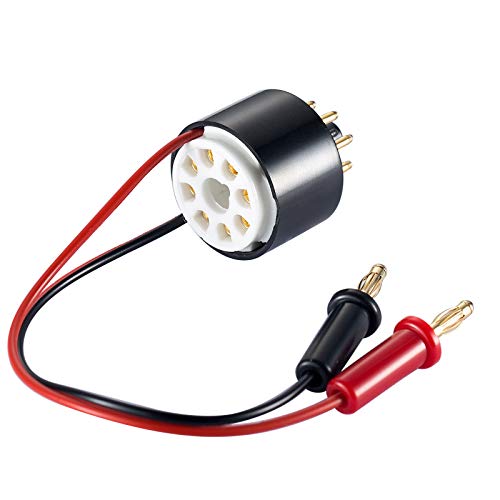
Douk Audio Nobsound Vacuum Tube Amp Amplifier Plate Bias Current Probe Tester 8 Pin Socket for EL34, KT88, 6L6, 6V6, 5881, 6550, KT66, KT100, KT120, 7027 (CT1-P, Plate Current)
Universal Compatibility: Designed to test plate current in a wide range of vacuum tubes including EL34, KT88, 6L6,…
As an affiliate, we earn on qualifying purchases.
As an affiliate, we earn on qualifying purchases.

Juson Audio JTA100 2025 Version 200W Vacuum Tube Amplifier Integrated Hybrid with BT 5.0 Optical AUX RCA Phono Input and Headphone Output 2.1CH Class AB HiFi Home Audio for Turntable
Powerful Output: With an impressive 200Watts RMS output, the Juson Audio tube amplifier provides a vibrant and captivating…
As an affiliate, we earn on qualifying purchases.
As an affiliate, we earn on qualifying purchases.