In the audio format wars, it’s clear that no single format fully wins. Vinyl offers a warm, rich sound but is less practical and fragile. CDs deliver high-quality, uncompressed sound with convenience, while MP3s prioritize portability through digital compression, often sacrificing some fidelity. Your choice depends on whether you value sound quality or convenience more. To discover how these formats stack up and which might suit you best, explore further.
Key Takeaways
- Vinyl offers superior sound quality and authenticity but lacks convenience and durability compared to digital formats.
- CDs provide a high-quality, lossless digital experience balancing sound fidelity and portability.
- MP3s prioritize portability and accessibility, often sacrificing some sound quality due to compression.
- The “winner” depends on whether consumers value sound quality (vinyl, CDs) or convenience (MP3s).
- Digital compression has shifted the audio landscape, making MP3s dominant for everyday listening despite quality compromises.
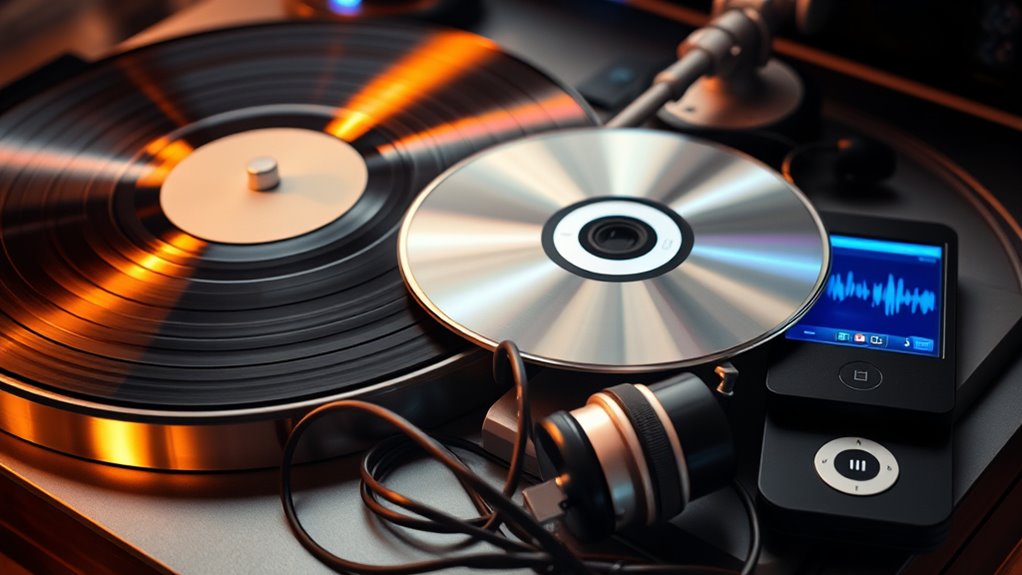
Have you ever wondered why choosing an audio format can feel so confusing? The world of audio is filled with different formats, each promising better sound and convenience. Understanding why can help you make smarter choices about how you listen to your favorite music. One of the biggest factors influencing these choices is digital compression, which directly impacts sound quality. When audio is compressed, some of its data is removed to make the file smaller. This process can lead to a loss in sound quality, especially with formats like MP3 that rely heavily on compression to reduce file size. You might notice that compressed files sound less rich or detailed compared to uncompressed formats, like vinyl or CD, where the goal is to preserve the original sound as much as possible. Digital compression is a double-edged sword: it makes files easier to store and share, but it can also diminish the listening experience if not done carefully. This trade-off has been a core issue in the audio format wars. Additionally, the type of technology used in different formats, such as the analog nature of vinyl, plays a significant role in sound quality differences.
Digital compression reduces file size but can compromise sound quality.
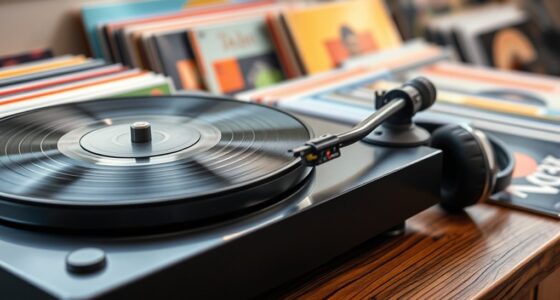
Vinyl records, for example, are uncompressed and renowned for their warm, rich sound. Because they are analog, they capture the nuances of the original recording without digital compression, offering high sound quality. However, vinyl has its drawbacks—it’s bulky, fragile, and requires proper equipment to enjoy at its best. CDs, on the other hand, brought digital technology into the spotlight. They use lossless digital data storage, which means they maintain high sound quality without compression artifacts. CDs became popular because they offered a balance: better sound than most compressed formats and more convenience than vinyl. But as digital files like MP3s emerged, the game changed again.
MP3s revolutionized how we listen to music by drastically reducing file sizes through aggressive digital compression. This made it possible to carry thousands of songs on a single device. However, this convenience often comes at a cost—sound quality can suffer, especially at lower bit rates. Advanced compression algorithms can minimize sound quality loss, but some details and depth are inevitably sacrificed. So, while MP3s are incredibly practical, they rarely match the richness of a vinyl record or a high-quality CD. The ongoing debate centers on whether convenience and portability outweigh the potential loss of audio fidelity.
In the end, who really won the audio format wars depends on what you value most. If you prioritize sound quality and authenticity, vinyl or high-bitrate CDs might be your best bet. If you prefer portability and ease of access, MP3s are hard to beat. Understanding digital compression and its effects on sound quality can help you make informed decisions—whether you’re upgrading your listening setup or just choosing what format to download next.

1 by ONE High Fidelity Belt Drive Turntable with Built-in Speakers, Vinyl Record Player with Magnetic Cartridge, Wireless Playback and Aux-in Functionality, Auto Off
Exquisite Appearance, Built from wood and metal materials with a unique sense of layering, The streamlined corner design…
As an affiliate, we earn on qualifying purchases.
As an affiliate, we earn on qualifying purchases.
Frequently Asked Questions
How Do Streaming Services Influence the Format Wars?
Streaming services influence the format wars by prioritizing digital convenience, making it easier for you to access music anytime, anywhere. They shift focus away from physical formats like vinyl and CD, emphasizing compressed digital files like MP3s. However, licensing challenges can complicate availability and quality, affecting your listening experience. Overall, streaming promotes digital dominance, reshaping how you consume music and diminishing the traditional competition between formats.
What Is the Environmental Impact of Each Audio Format?
You should consider that vinyl has a higher environmental impact due to manufacturing emissions and material use, making it less sustainable. CDs involve manufacturing emissions that contribute to environmental concerns, yet they’re more eco-friendly than vinyl. MP3s, being digital, have the least environmental impact, supporting digital sustainability by eliminating physical production. However, streaming consumes energy through data centers, which also affects the environment.
Which Format Offers the Best Value for Casual Listeners?
Think of choosing your music format as picking a reliable vehicle for a daily ride. For casual listeners, MP3s often offer the best value, providing easy music accessibility and storage convenience without sacrificing quality. They’re lightweight and portable, perfect for on-the-go listening. CDs strike a balance with decent quality and physical collection, but digital files win for simplicity and space-saving, making them the go-to choice for casual music lovers.
How Do Hardware Advancements Affect Format Popularity?
Hardware advancements boost format popularity by making newer formats more accessible and enjoyable, appealing to your digital nostalgia. As technology evolves, older devices face hardware obsolescence, encouraging you to upgrade to stay current. This cycle keeps formats like MP3 or streaming platforms popular, while also sparking interest in vintage formats like vinyl. Your choices are influenced by improved hardware that enhances sound quality, convenience, and the overall listening experience.
Will Physical Formats Make a Comeback in the Future?
Yes, physical formats could make a comeback, driven by digital nostalgia and a desire for tangible music experiences. You might find yourself exploring the collector’s market for vinyl, CDs, or even cassette tapes, valuing the tactile aspect and unique album art. As digital convenience grows, many seek authenticity and nostalgia, fueling a small but passionate resurgence of physical media among enthusiasts who want a more personal connection to their music.

Desktop CD Player with Speakers, ROADOM CD Players for Home, Portable CD Player with Bluetooth Hi-Fi Stereo Sound,Remote Control,Supports CD/Bluetooth/FM Radio/U Disk/AUX/Timer/Repeat,Black
【All-in-One 8-in-1 CD Player】 Elevate your audio experience with the versatile ROADOM CD player. This powerhouse offers an…
As an affiliate, we earn on qualifying purchases.
As an affiliate, we earn on qualifying purchases.
Conclusion
In the end, the battle between vinyl, CD, and MP3 isn’t about victory or defeat. It’s about choice, experience, and emotion. Vinyl’s warmth, CD’s clarity, MP3’s convenience—they each carve a space in your musical journey. You hold the power to pick the sound that moves you, the format that fits your life, the experience that defines your music. Because in this war, it’s your ears that truly win.

MECHEN M30 HiFi MP3 Player, Lossless DSD High Resolution Digital Audio Music Player, High-Res Portable Audio Player with 64GB Memory Card (Gray)
【HIFI lossless sound quality】 The DAP lossless music player adopts professional DSP audio lC + imported DAC double…
As an affiliate, we earn on qualifying purchases.
As an affiliate, we earn on qualifying purchases.