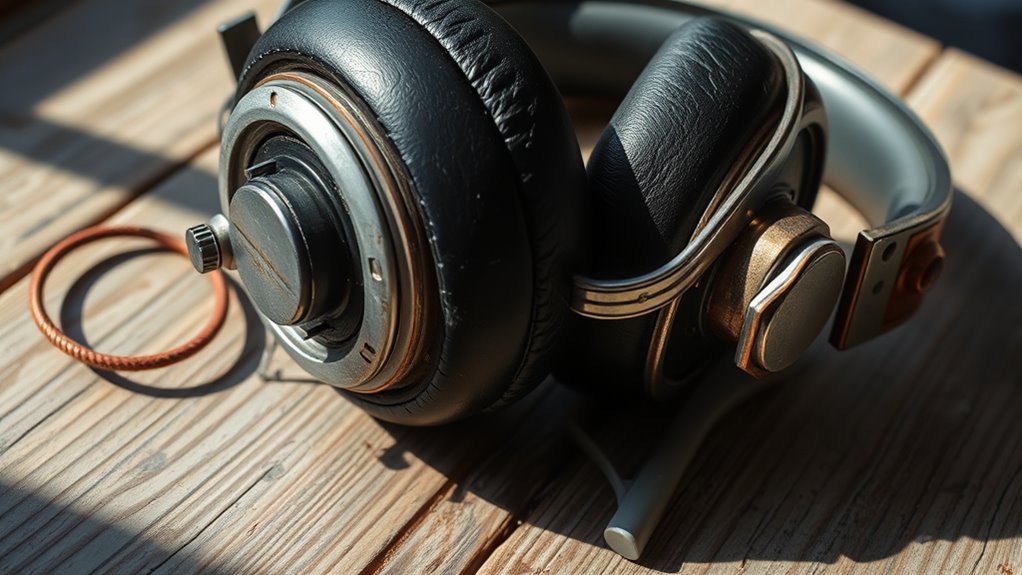
Vintage headphones are definitely worth collecting if you value their unique craftsmanship, nostalgic charm, and often superior sound. They offer a sense of history and distinct style that modern models can’t match. Many are highly sought after by collectors and audiophiles for their authenticity and sonic character. Proper restoration can even bring them close to original performance. If you want to explore the history, brands, and restoration tips, there’s plenty more to discover.
Key Takeaways
- Vintage headphones offer nostalgic charm, unique craftsmanship, and often superior sound quality, making them highly desirable for collectors.
- Restoring old headphones can preserve their authentic sound signature and value, increasing their collectible and aesthetic appeal.
- Certain brands like Sennheiser, AKG, and Grado have historical significance, boosting the desirability and market worth of vintage models.
- Collecting vintage headphones combines appreciation for design, history, and sound fidelity, appealing to audiophiles and enthusiasts.
- Proper preservation and restoration enhance long-term enjoyment and can significantly increase the headphones’ collectible value.
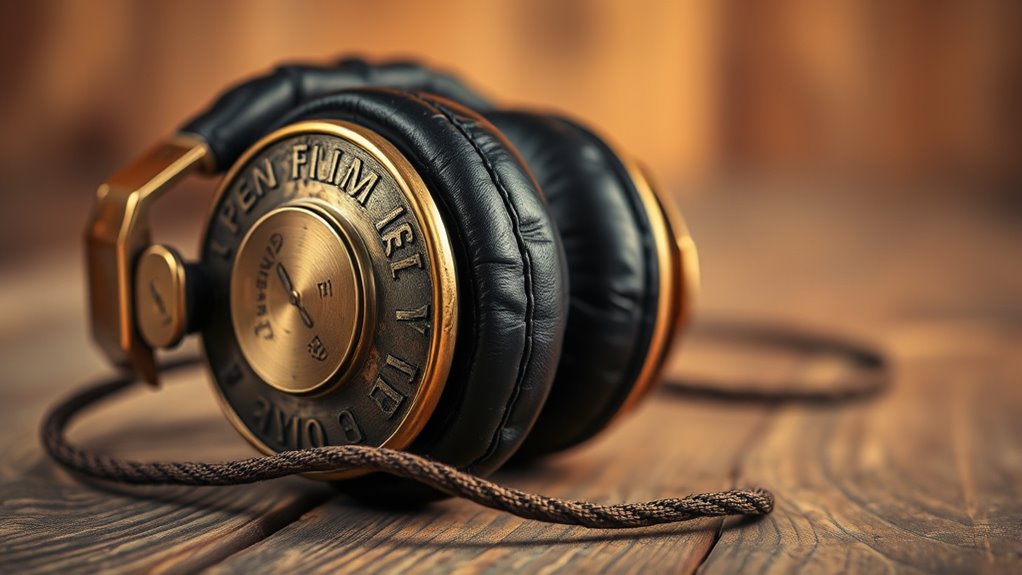
Have you ever wondered why vintage headphones continue to attract collectors and audiophiles alike? It’s because these old-school audio devices offer more than just nostalgic charm—they represent a unique blend of craftsmanship, history, and sound quality that modern headphones often can’t match. When contemplating whether to jump into the world of vintage headphones, one of the first things to think about is restoration techniques. Restoring vintage headphones isn’t just about making them look good; it’s about carefully preserving their original sound signature while ensuring functionality. You might start by replacing worn-out cables, reconditioning ear pads, or cleaning the drivers to improve sound clarity. Some enthusiasts even perform delicate repairs on the internal components, such as re-soldering connections or replacing aging diaphragms, all while maintaining the headphone’s authentic parts. This process requires patience and precision, but the payoff is a pair of headphones that sound almost as good as they did when they first hit the market. Additionally, understanding how energy-efficient technology can be integrated into vintage audio equipment is becoming increasingly important for sustainability-conscious collectors.
Another essential aspect to consider is brand comparisons. Different brands from the vintage era have distinct characteristics that appeal to collectors for various reasons. For example, brands like Sennheiser, AKG, and Grado are renowned for their durable build quality and unique sound profiles. Sennheiser headphones from the 1970s, for instance, are celebrated for their warm, natural sound, making them prized among audiophiles. Meanwhile, vintage Grado models are known for their lively, detailed audio reproduction, often preferred by those who enjoy a more energetic sound. Comparing brands helps you understand what qualities matter most to you—whether it’s sound fidelity, comfort, or visual appeal. It also assists in evaluating the potential value of a vintage pair, as some brands and models are more sought after and command higher prices. Ultimately, investing in vintage headphones involves weighing the restoration process and brand significance. You want to make sure that the pair you’re considering can be effectively restored without losing its authenticity and that it aligns with your sound preferences. Whether you’re a collector seeking a rare find or an audiophile craving timeless sound, understanding restoration techniques and brand comparisons makes your journey into vintage headphones more informed and rewarding. These headphones aren’t just relics; they’re pieces of audio history that, with proper care, can continue to deliver beautiful sound for years to come.

PinzqTrading 2pcs 10mm Headphone Speaker Driver, Replacement Headphone Speaker Parts with PU LCP Diaphragm for Strong Bass, DIY Headphone Repair Kit for 32Ω Impedance Headsets
Strong Bass Performance: These 10mm headphone speaker driver units feature a PU+LCP composite diaphragm that delivers deep, punchy…
As an affiliate, we earn on qualifying purchases.
As an affiliate, we earn on qualifying purchases.
Frequently Asked Questions
How Do Vintage Headphones Compare to Modern Audio Quality?
Vintage headphones often offer unique design aesthetics that appeal to collectors, but their audio fidelity usually falls short compared to modern headphones. You might notice a warmer, nostalgic sound, but it lacks the clarity and bass response of current technology. If you value authentic vintage style and a distinct listening experience, they’re worth exploring. However, for crisp, high-quality audio, modern headphones generally outperform their vintage counterparts.
Are Vintage Headphones Compatible With Current Audio Devices?
Yes, vintage headphones can be compatible with current audio devices, but it depends on compatible connectors and audio jack standards. Many vintage models use 3.5mm or 1/4-inch jacks, which are still common today. However, newer devices may lack headphone jacks, requiring adapters. Check your device’s port and confirm your vintage headphones’ connectors match or can be adapted for seamless compatibility.
What Are the Common Restoration Challenges for Vintage Headphones?
You’ll often face restoration challenges like cable deterioration and driver damage when restoring vintage headphones. The cables tend to become brittle or crack over time, making replacements necessary. Driver damage can occur from age or mishandling, affecting sound quality. You need patience and skill to repair or replace these parts, ensuring the headphones sound good again. Proper restoration preserves their vintage charm and maintains their functionality for years to come.
Do Vintage Headphones Increase in Value Over Time?
Yes, vintage headphones can increase in value over time, especially if they become rare or highly sought after by collectors. Your investment potential depends on market trends, which fluctuate based on nostalgia, brand reputation, and condition. By keeping your headphones well-maintained and authentic, you improve their resale value. Staying informed about current market trends helps you decide the best time to buy or sell for maximum profit.
How Can I Verify the Authenticity of Vintage Headphone Models?
Think of verifying vintage headphone authenticity as a treasure hunt. You, the collector, must use verification methods like inspecting logos, checking serial numbers, and comparing build quality to trusted references. Seek expert opinions or consult online communities, acting as your map. Authenticity confirms your treasure’s true value, ensuring your collection is genuine. Always cross-reference details to distinguish real gems from clever fakes, safeguarding your vintage headphone’s legacy.

SENNHEISER HD 599 Open Back Headphone, Ivory
Premium, around-ear, open back headphones: Audiophile sound combined with premium design and materials
As an affiliate, we earn on qualifying purchases.
As an affiliate, we earn on qualifying purchases.
Conclusion
So, diving into vintage headphones is like uncovering hidden treasures in a forgotten attic—you never know what sonic gems you’ll find. These old-school marvels are more than just collectibles; they’re gateways to a bygone era of sound craftsmanship. If you’re willing to embrace their quirks, you’ll experience music like a timeless melody echoing through the ages. In the end, vintage headphones aren’t just worth collecting—they’re a symphony waiting to be rediscovered.

AKG K240STUDIO Semi-Open Studio Headphones
55 ohms impedance, plug-in cable
As an affiliate, we earn on qualifying purchases.
As an affiliate, we earn on qualifying purchases.

GRADO GW100x Wireless Open-Back Headphones – Bluetooth 5.2, 40-Hour Battery, 44mm Drivers – Audiophile Over-Ear Headphones with Mic – Lightweight, Retro Design – for Home, Studio & Travel
Pure Grado Sound, Now Wireless Enjoy the signature open-back soundstage of Grado headphones—wirelessly. The GW100x delivers detailed highs,…
As an affiliate, we earn on qualifying purchases.
As an affiliate, we earn on qualifying purchases.