
TL;DR
Play games included with Prime
Start a Prime free trial and play with Amazon Luna on your devices.
As an affiliate, we earn on qualifying purchases.
Researchers are revisiting century-old evidence that glycol vapors can inactivate airborne pathogens. New studies aim to assess their safety and effectiveness for pandemic prevention, with initial results due by 2027.
Scientists are conducting new research into the use of glycol vapors, an old but underexplored technology, to inactivate airborne viruses and potentially prevent future pandemics. This renewed focus follows decades of prior evidence and recent interest spurred by the COVID-19 pandemic.
Glycol vapors, such as those from propylene glycol, dipropylene glycol, and triethylene glycol, have been shown historically to inactivate viruses and bacteria in indoor air. Studies from the 1940s demonstrated a 96% reduction in colds within pediatric wards disinfected with glycol vapors, and recent research suggests these vapors are effective against enveloped viruses like influenza and SARS-CoV-2.
During the COVID-19 pandemic, the EPA issued emergency approvals for glycol-based disinfectants in some states, but scientific consensus and widespread deployment remained limited due to safety concerns and incomplete understanding. Now, new research funded by Blueprint Biosecurity aims to rigorously evaluate their safety, efficacy, and practical deployment in real-world settings, including healthcare facilities.
Why It Matters
This research could lead to a novel, cost-effective method for reducing airborne disease transmission, especially for pathogens that remain suspended in the air for long periods. If proven safe and effective, glycol vapors could become part of future pandemic preparedness strategies, complementing vaccines and other measures.
As an affiliate, we earn on qualifying purchases.
Background
Interest in glycol vapors as disinfectants peaked in the 1940s but waned with the advent of antibiotics and other technologies. Renewed scientific attention occurred during the COVID-19 pandemic, but limited data and safety concerns prevented large-scale adoption. Current research efforts aim to fill these gaps, with initial findings expected by 2027.
“Having evidence around glycol vapors will put us in a much better position to make informed decisions about countermeasures for airborne diseases.”
— Jacob Swett, Blueprint Biosecurity
“Glycol vapors are particularly effective against enveloped viruses like SARS-CoV-2 and influenza.”
— Curtis Donskey, Infectious Disease Physician
“Robust evaluation of glycol vapors’ safety and efficacy is essential for future pandemic preparedness.”
— Brian Renda, Blueprint Biosecurity
As an affiliate, we earn on qualifying purchases.
What Remains Unclear
It remains unclear how effective glycol vapors will be in diverse real-world environments, their long-term safety, especially for sensitive populations, and the optimal deployment methods. The upcoming studies aim to address these questions, but definitive conclusions are not yet available.
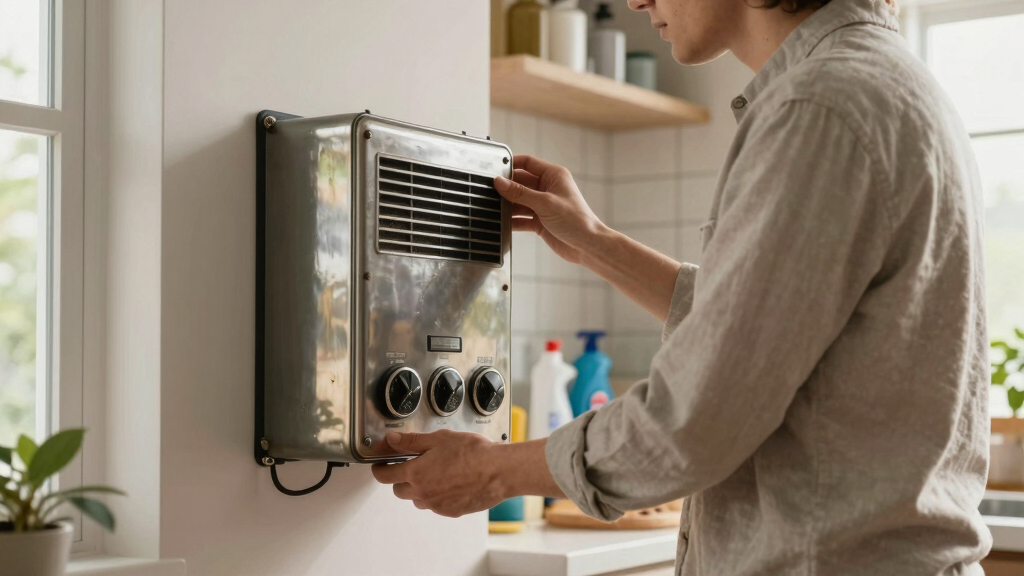
airborne virus inactivation device
As an affiliate, we earn on qualifying purchases.
As an affiliate, we earn on qualifying purchases.
What’s Next
Researchers will conduct multidisciplinary studies over the next two years, focusing on pathogen inactivation, safety profiles, and practical application in healthcare and public spaces. Initial results are expected by early to mid-2027, which could inform future regulatory and deployment decisions.
indoor air sterilization technology
As an affiliate, we earn on qualifying purchases.
As an affiliate, we earn on qualifying purchases.
Key Questions
Can glycol vapors be safely used in occupied indoor spaces?
Current research is evaluating safety profiles, including effects on sensitive populations, to determine safe concentration levels for indoor use.
How effective are glycol vapors against different types of viruses?
They are particularly effective against enveloped viruses such as influenza and coronaviruses, but more data are needed to confirm their efficacy across a broader range of pathogens.
Could glycol vapors replace vaccines or other existing measures?
It is unlikely they would replace vaccines but could serve as an additional tool to reduce airborne transmission, especially during outbreaks.
What are the costs and logistical challenges of deploying glycol vapor systems?
Preliminary estimates suggest low daily costs per room, but large-scale implementation and safety protocols require further study.
Fall yard work Picks
leaf blowers
As an affiliate, we earn on qualifying purchases.