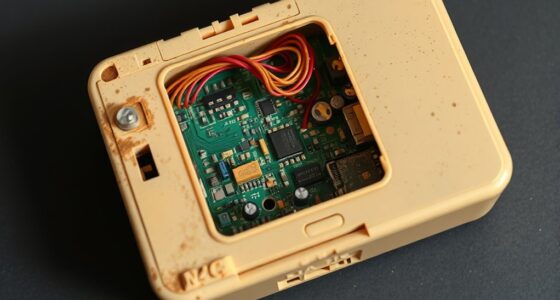

You can learn vintage communication skills like operating rotary phones, sending Morse code via telegraph, and repairing old radios—skills your grandparents mastered through hands-on experience. These activities develop your problem-solving abilities, patience, and understanding of mechanical devices. Engaging with vintage tech gives you a deeper appreciation for how early systems worked and their craftsmanship. Continue exploring, and you’ll discover even more ways to connect with your technological roots and boost your skills.
Key Takeaways
- Master the use of rotary phones to understand mechanical dialing and tactile feedback.
- Learn Morse code and telegraph operation for precise, manual communication skills.
- Develop troubleshooting skills by repairing vintage radios and transmitters.
- Practice manual skills like winding coils and adjusting radio components to understand hardware mechanics.
- Cultivate patience and problem-solving through hands-on maintenance of vintage communication devices.

Many of the tech skills your grandparents once mastered are now considered relics, but they reveal a time when technology was more tangible and hands-on. Think back to vintage communication methods—they didn’t rely on instant messaging or smartphones. Instead, they used rotary phones, telegraphs, and even radio sets to stay connected. These mechanical devices demanded a different kind of understanding, one rooted in physical manipulation and direct operation. Learning how to operate a rotary dial, for example, isn’t just about making a call; it’s about grasping the fundamental mechanics of communication systems that laid the groundwork for modern tech. When you pick up a vintage phone, you notice the weight, the turning dial, and the tactile feedback—all features that made communication feel more deliberate and personal. Mastering these mechanical devices gives you insight into how technology evolved from simple, manual tools to the complex digital systems you use today. Additionally, exploring free floating technology concepts helps you appreciate the evolution of hardware and signal transmission.
Getting comfortable with vintage communication tools also involves understanding their limitations and strengths. Unlike today’s instant connectivity, these devices required patience and a certain skill to operate. For example, using a telegraph involved sending Morse code signals via a key, which demanded precision and timing. This skill wasn’t just about sending messages; it was about understanding the mechanics behind transmitting information over long distances. Knowing how to repair or troubleshoot old radios and transmitters can deepen your appreciation for the engineering that powers modern wireless communication. It’s a hands-on experience that reconnects you with the tactile nature of early tech, offering a stark contrast to the virtual interfaces you often navigate now.
Learning to use mechanical devices and vintage communication tools isn’t just nostalgic; it’s educational. It provides a foundation for understanding how far technology has come and highlights the importance of hardware design and manual operation. These skills also cultivate patience and problem-solving abilities, as working with mechanical devices often involves troubleshooting physical components. By mastering these skills, you foster a sense of respect for the craftsmanship that went into early communication technology and develop a more holistic view of the history of tech. Plus, they can be surprisingly fun—there’s satisfaction in repairing a vintage radio or successfully transmitting a Morse code message. In the end, rediscovering these vintage communication techniques and mechanical devices helps you connect more deeply with the roots of modern technology, enriching your understanding of how we’ve arrived at today’s digital world.

HTMengt Retro Rotary Phone with Speaker/1930s Antique Landline Phone/Vintage Rotary Dial Telephone/Old Fashioned Rotary Phone/Special Feature: Hearing Aid Compatible,Speaker, Redial, Ringer Off,Black
〖 Retro Classic Design, Durable Construction〗: The retro rotary phones for landline popular from 1930s, captures the nostalgic…
As an affiliate, we earn on qualifying purchases.
As an affiliate, we earn on qualifying purchases.
Frequently Asked Questions
How Can I Repair Vintage Electronic Devices at Home?
To repair vintage electronic devices at home, start with circuit troubleshooting to identify faulty components. Use a multimeter to test resistors, capacitors, and connections. Practice soldering techniques carefully to replace damaged parts, ensuring clean, precise joints. Follow schematic diagrams closely and work in a well-lit area. With patience and attention to detail, you can restore your vintage tech, gaining both skills and nostalgia while saving money.
What Safety Precautions Are Necessary When Working With Old Tech?
When working with old tech, you need to prioritize safety. Always wear safety gear like gloves and eye protection to guard against electrical hazards. Before starting, unplug the device and discharge any stored electricity. Use insulated tools, work in a dry area, and avoid touching exposed wires. If unsure about handling specific parts, consult a professional. These precautions help prevent shocks, burns, and damage to the device.
Where Can I Find Authentic Parts for Retro Gadgets?
You can find authentic components and original parts for retro gadgets online through specialized vintage electronics stores, auction sites like eBay, and dedicated forums. Check out community marketplaces and vintage tech groups where collectors share resources. Sometimes, local thrift shops or flea markets also have hidden treasures. Always verify the authenticity of the parts before purchasing to guarantee you’re getting genuine components that match your retro tech’s original specifications.
Are There Online Communities for Vintage Tech Enthusiasts?
Just like explorers seeking hidden treasures, you’ll find online forums and social groups dedicated to vintage tech enthusiasts. These communities connect passionate collectors, repair experts, and history buffs who share tips, stories, and rare finds. Join these vibrant networks to deepen your knowledge, troubleshoot issues, and celebrate classic gadgets. It’s like stepping into a digital time capsule where every member champions the timeless charm of retro technology.
How Do I Restore Old Technology to Working Condition?
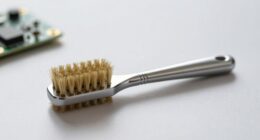
To restore old technology, start with careful cleaning using soft brushes and isopropyl alcohol to remove dust and corrosion. Use restoration techniques like replacing worn-out capacitors or batteries and checking internal connections. Follow preservation methods by storing devices in a dry, cool environment, and avoid overuse. Document your process, and consider consulting online communities for tips. Patience and gentle handling are key to bringing vintage tech back to life.

Kits, Learn Morse Code, a Telegraph Kit Machine, Electric Circuit Experiment, Morse Code Machine, Morse Code Transmitter, Morse Code Kit
Project: Telegraph Machine – Can you send your friends an "hellow" message in Morse code
As an affiliate, we earn on qualifying purchases.
As an affiliate, we earn on qualifying purchases.
Conclusion
So, why not embrace the skills your grandparents mastered? Relearn how to tune a radio, repair a TV, or develop film—skills that connect you to the past. By mastering these retro tech skills, you’ll revive craftsmanship, foster patience, and appreciate simplicity. These timeless abilities remind us that innovation doesn’t mean forgetting tradition. So, pick up that screwdriver, dust off that camera, and start learning—because these skills are worth keeping alive, today and tomorrow.

Diymore DIY Bluetooth Speaker Kit – Radio Soldering Practice Kit with Acrylic Case,Dual Speakers&Remote Control,for TF/AUX/Bluetooth/USB Support,Easter Gifts for Kids
DIY PROJECT KIT: Complete radio assembly kit with transparent acrylic case, dual speakers, control board, and all necessary…
As an affiliate, we earn on qualifying purchases.
As an affiliate, we earn on qualifying purchases.

Mechanical Devices for the Electronics Experimenter
As an affiliate, we earn on qualifying purchases.
As an affiliate, we earn on qualifying purchases.