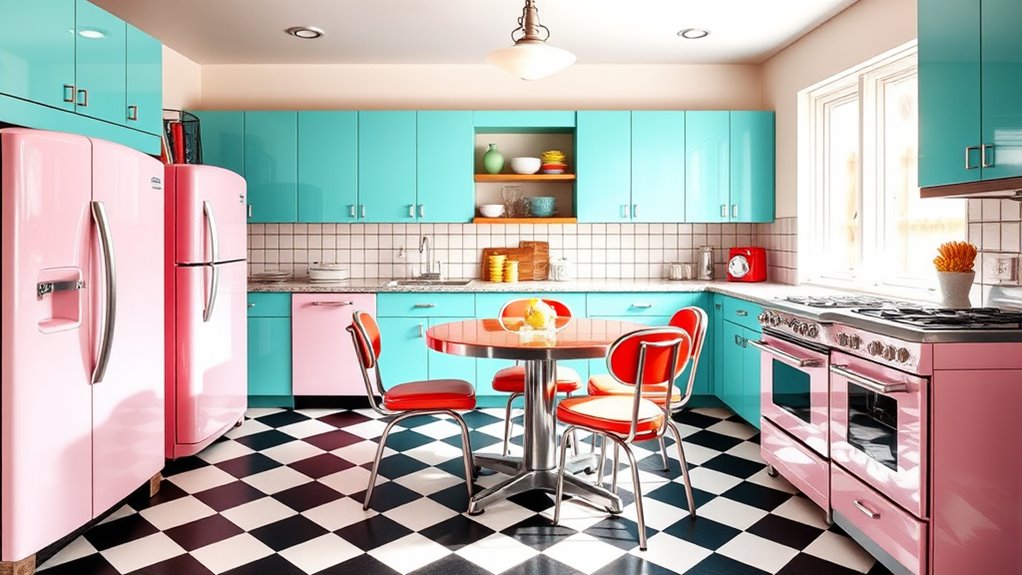

To layout a 1950s style eat-in kitchen, start with an open plan that prioritizes easy movement and functionality. Arrange appliances in a classic work triangle—sink, stove, and fridge—while incorporating vintage-inspired appliances and pastel colors for a nostalgic feel. Place a small, retro dining table near the kitchen workspace without disrupting flow. Use cheerful colors, retro lighting, and charming accents to complete the look, and explore further tips to truly capture the era’s charm.
Key Takeaways
- Arrange appliances in a functional work triangle with the sink, stove, and refrigerator for efficient workflow.
- Position a small vintage-style dining table near the kitchen workspace without blocking movement.
- Use open shelving or glass-front cabinets to display retro dishware and collectibles for authentic charm.
- Incorporate bright pastel colors like turquoise, mint green, or buttercup yellow with neutral accents for a cheerful vibe.
- Choose vintage-inspired lighting fixtures and checkered linoleum flooring to enhance the nostalgic 1950s aesthetic.

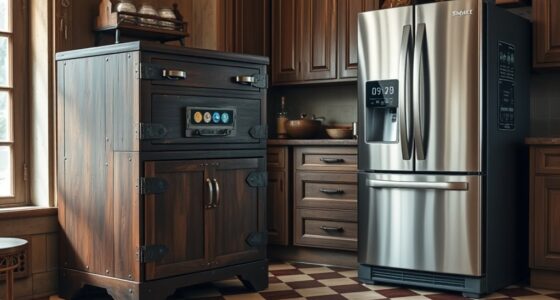
Designing a 1950s style eat-in kitchen is all about capturing the charm and functionality of that iconic era. To start, focus on creating a layout that emphasizes both practicality and nostalgic appeal. Incorporate retro appliances, which instantly evoke the vintage vibe. Think about a turquoise or pastel pink refrigerator, a classic oven with chrome accents, or a standalone soda fountain-style drink dispenser. These elements not only serve as functional pieces but also become focal points that define the era. When selecting your appliances, prioritize authentic or retro-inspired designs that complement the overall aesthetic.
Capture 1950s charm with retro appliances like pastel refrigerators and chrome accents.
Color schemes are vital in achieving that 1950s look. Bright, cheerful hues like turquoise, mint green, buttercup yellow, and coral are staples of the period. You want to balance these vibrant shades with neutral tones like white or light gray to keep the space lively yet not overwhelming. Consider painting the walls in a soft pastel or using colorful tile backsplashes to add visual interest. Incorporate accessories such as dishware, curtains, or even appliances in matching or coordinating colors to create a cohesive feel. The key is to blend bold colors with subtle accents, making the space feel inviting and true to the era.
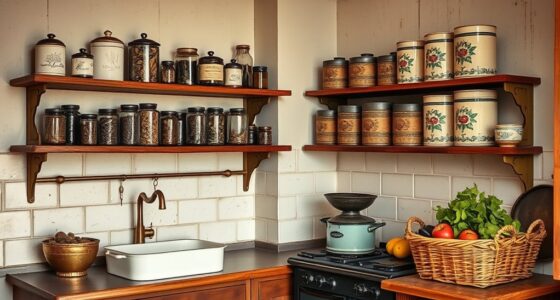
In terms of layout, think open and conversational. The eat-in aspect means you need a designated space for a small dining table—preferably round or square with vintage-style chairs. Position the table near the kitchen workspace but make sure it doesn’t block the flow between cooking and dining areas. The kitchen should have a U-shape or L-shape layout to maximize efficiency, with the sink, stove, and refrigerator forming a functional work triangle. Keep countertops relatively clear, but add vintage storage solutions like open shelving or glass-front cabinets to display retro dishware and collectibles.
Lighting is another key detail. Opt for pendant lights with chrome or pastel-colored shades, or vintage-inspired fixtures that hang directly over the eating area. These not only illuminate the space but also add to the nostalgic atmosphere. Incorporate small details like checkered or patterned linoleum flooring, retro wall clocks, and chrome hardware to enhance the 1950s feel. The goal is to create a space where every element feels intentional yet playful, capturing the essence of that era’s design and lifestyle. Additionally, understanding color accuracy can help in selecting authentic paint and accessory colors that truly reflect the period’s palette. With a thoughtful layout and attention to detail, your kitchen will become a charming, functional tribute to the 1950s.

Frigidaire Retro Apartment Size Refrigerator with Top Freezer – 2 Door Fridge with 7.5 Cu Ft of Storage Capacity, Adjustable Spill-Proof Shelves, Door & Crisper Bins, Azure
RETRO DESIGN: This fridge has a retro style with chrome recessed door handles and hinges covers. Presenting a…
As an affiliate, we earn on qualifying purchases.
As an affiliate, we earn on qualifying purchases.
Frequently Asked Questions
What Are the Signature Colors of a 1950S Kitchen?
You’ll find that signature colors of a 1950s kitchen include pastel shades like mint green, soft pink, turquoise, and buttery yellow. These vibrant color schemes create a cheerful atmosphere, while pattern coordination—like checkerboard floors or polka-dot curtains—enhances the retro vibe. Bright, bold accents paired with clean whites help capture that nostalgic feel, making your kitchen both lively and inviting.
How Can I Incorporate Vintage Appliances Authentically?
Imagine discovering a vintage toaster at a flea market, its charming design calling for authentic placement. You can incorporate vintage appliances by carefully selecting authentic pieces that match your kitchen’s era, then placing them where they naturally belong. Focus on vintage appliance selection that complements your style, and position each piece thoughtfully to enhance the nostalgic feel. This approach creates a seamless, authentic look that transports you straight to the 1950s.
What Lighting Options Suit a 1950S Eat-In Kitchen?
To achieve authentic 1950s kitchen lighting ideas, opt for retro light fixture styles like pendant lights with colorful glass shades or chrome finishes. You could also incorporate flush-mounted ceiling lights with geometric or starburst designs. These choices reinforce the vintage vibe and add a touch of glamour. Consider under-cabinet lighting in warm hues to create a cozy atmosphere, completing your classic 1950s eat-in kitchen look effortlessly.
Are There Specific Flooring Styles Popular in the 1950S?
Like stepping into a Diner’s dream, you’ll find checkered tiles and vinyl flooring dominate the 1950s style. These patterns add a playful, retro vibe, with checkered tiles often in black and white creating a bold statement. Vinyl flooring offers durability and variety in colors, perfectly capturing the era’s cheerful, functional aesthetic. Embrace these classic styles to recreate an authentic 1950s eat-in kitchen atmosphere that’s both nostalgic and lively.
How Do I Add Retro Decor Without Overdoing It?
You can add retro decor by balancing modern and vintage pieces, ensuring you avoid overwhelming decor. Incorporate subtle vintage accents like a retro clock, colorful dishware, or nostalgic textiles, and keep larger furniture modern and simple. Use a few statement pieces to evoke the 1950s style without cluttering the space. This approach creates a charming, authentic feel while maintaining a fresh, balanced look that doesn’t feel overdone.

OIYIO Vintage Pendant Light – Bronze Gold Pendant Lights Kitchen Island with Floral Glass, Brass Penant Lighting Fixtures with Adjustable Hanging Chain for Kitchen, Dining Room, Entryway
【Vintage Style Design】The handblown textured glass and bronze gold finish add a touch of luxury to dining rooms,…
As an affiliate, we earn on qualifying purchases.
As an affiliate, we earn on qualifying purchases.
Conclusion
Imagine stepping into your 1950s-inspired eat-in kitchen and feeling instantly transported back in time. Just like my grandma’s cozy corner where she’d whip up milkshakes, your layout can create a warm, nostalgic hub for family and friends. With thoughtful placement of your appliances and a cheerful color palette, you’ll craft a space that’s both functional and charming. After all, a well-designed kitchen isn’t just about looks—it’s where memories are stirred, served, and savored.

Spring Chef Stainless Steel Magnetic Measuring Spoons Set of 8 with Leveler, Metal Teaspoon & Tablespoon Measuring Spoons for Dry and Liquid Ingredients, Kitchen Gadgets for Baking & Cooking – Pastel
Treat Yourself To A Set Worth Having – With single metal construction and heavy duty premium Stainless Steel,…
As an affiliate, we earn on qualifying purchases.
As an affiliate, we earn on qualifying purchases.
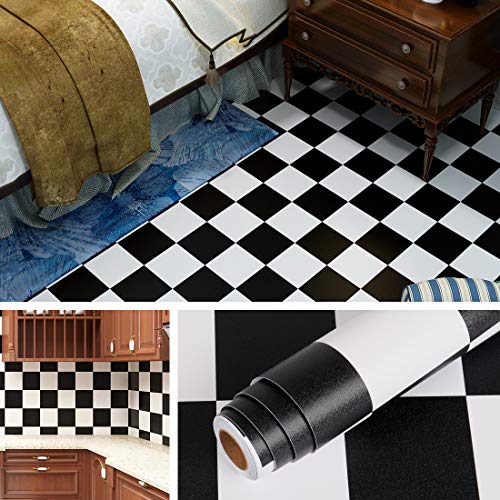
Livelynine 15.8X394 Inch Checkered Black and White Contact Paper for Floors Waterproof RV Flooring Peel and Stick Vinyl Linoleum Flooring Roll Adhesive Wallpaper To Cover Bathroom Tile Kitchen Sticker
🏠Details: 15.8×394 Inch, 3.8×3.8 inch per checkered, total 43.3 sq.ft (40cmX10m). Self adhesive. Made of durable vinyl. Checkered…
As an affiliate, we earn on qualifying purchases.
As an affiliate, we earn on qualifying purchases.