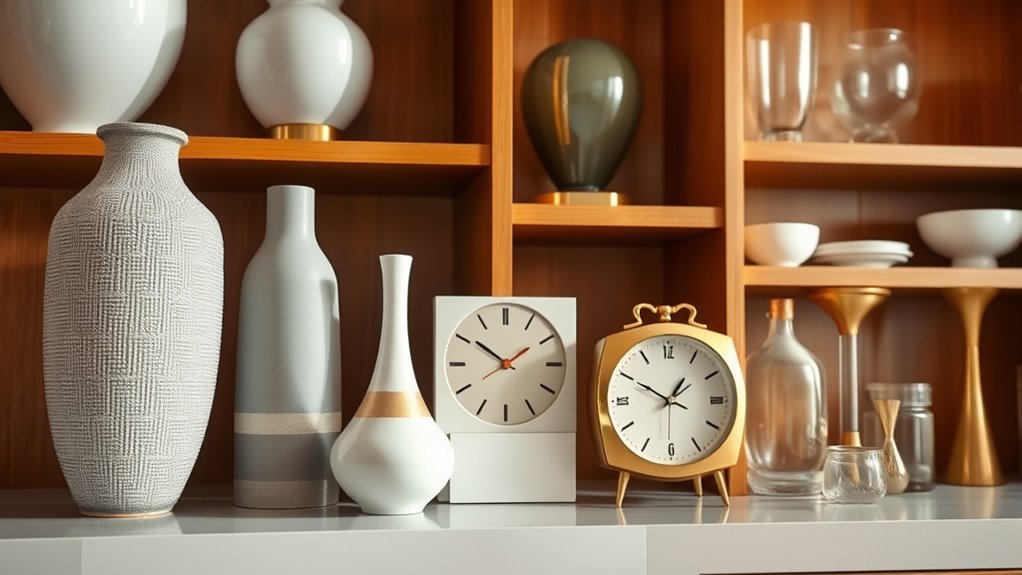

If you’re exploring mid-century modern collectibles, focus on authentic pieces like vibrant glassware, iconic designer furniture, and sleek clocks. Look for craftsmanship and provenance that reflect the era’s bold aesthetics and innovative techniques. Collecting these objects can reveal how form meets function in mid-century design. By understanding the principles behind these items, you’ll discover how to build a meaningful and stylish collection that truly captures the era’s spirit. Keep going to uncover more design secrets.
Key Takeaways
- Collect authentic mid-century glassware, ceramics, and clocks featuring bold colors, geometric patterns, and innovative materials from the 1950s and 1960s.
- Focus on designer furniture by notable figures like Eames and Saarinen to showcase form, function, and craftsmanship.
- Prioritize items with clear provenance, quality craftsmanship, and historical significance to enhance collection value.
- Incorporate functional yet artistic clocks with minimalist designs and modern materials reflecting technological progress.
- Curate a balanced collection that highlights the era’s aesthetic principles, blending vintage objects for a comprehensive mid-century modern display.
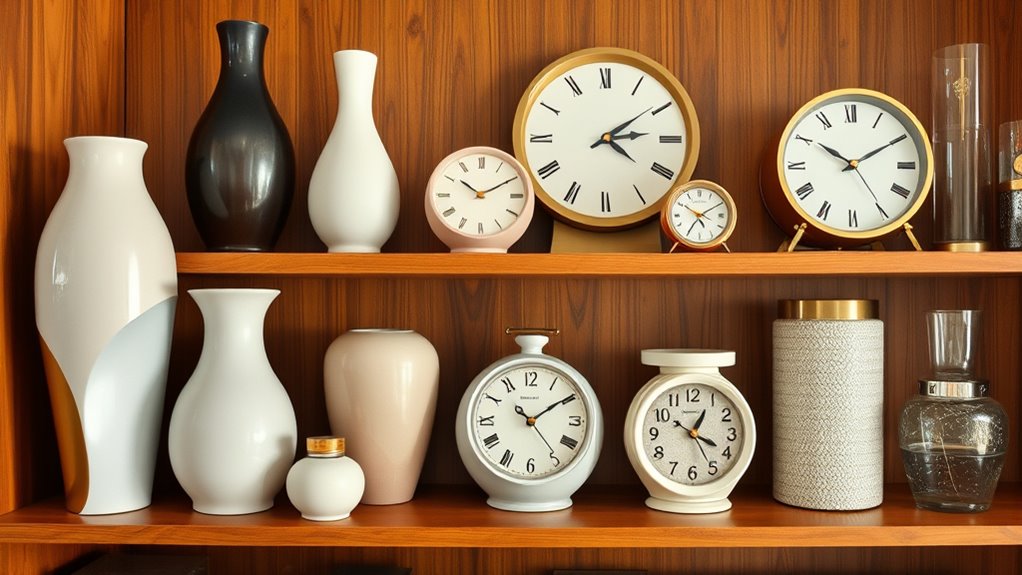
Are you fascinated by the sleek lines and timeless appeal of mid-century modern design? If so, you’re likely drawn to its clean aesthetics and functional elegance, which continue to influence interior decor today. Collecting mid-century modern pieces offers a unique way to connect with this iconic era. One of the most captivating aspects of this style is vintage glassware, which showcases the craftsmanship and innovative techniques of the period. You might find yourself hunting for colorful, textured glass pieces that reflect the bold palettes and experimental forms of the 1950s and 1960s. These items often feature geometric patterns, frosted finishes, or organic shapes, making them standout collectibles. Vintage glassware not only adds visual interest to your space but also offers a tangible link to the past, evoking the vibrant social scenes of mid-century gatherings.
Vintage glassware captures mid-century bold palettes and innovative designs, adding timeless charm and a tangible link to the era.
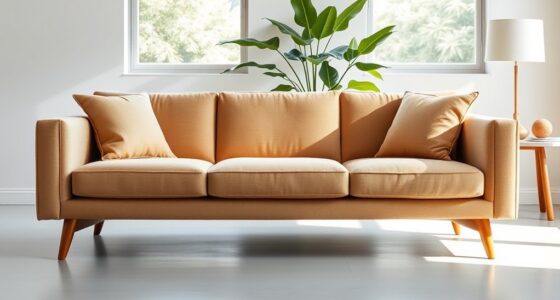
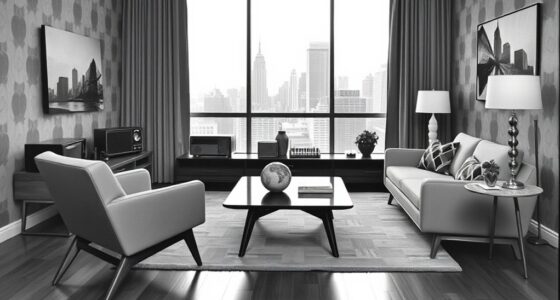
In addition to glassware, designer furniture remains at the heart of mid-century modern collecting. Pieces by renowned designers like Charles and Ray Eames, Eero Saarinen, or Hans Wegner embody the era’s commitment to both form and function. When you acquire a classic Eames lounge chair or a sleek tulip table, you’re holding a piece of history that exemplifies the innovative use of materials like molded plywood, fiberglass, and chrome. These items are more than just furniture; they’re statements of design philosophy that emphasized simplicity, practicality, and beauty. As you build your collection, focus on authentic pieces that showcase craftsmanship and period-specific details. Authenticity considerably impacts value and appreciation, so researching provenance and manufacturing marks helps ensure you’re acquiring genuine mid-century modern designer furniture.
Clocks from this era also serve as intriguing collectibles. They often feature minimalist dials, clean lines, and innovative materials—think teak, brass, or plastic. Mid-century clocks may carry a playful or futuristic vibe, with some designed by prominent companies or designers. Incorporating these clocks into your collection lends a functional yet artistic touch to your home decor. Whether you prefer wall-mounted models or tabletop designs, vintage clocks from the mid-century period reflect the era’s fascination with progress and modernity. When you display these pieces, you’re not just telling time—you’re showcasing a piece of design history.
Collecting mid-century modern items involves more than amassing objects; it’s about appreciating the era’s design principles and craftsmanship. Vintage glassware, designer furniture, and clocks serve as tangible expressions of this stylish movement. By focusing on authenticity, quality, and historical significance, you can create a curated collection that celebrates mid-century modern’s enduring appeal. Each piece tells a story, connecting you with a time when form and function seamlessly merged to shape a lasting aesthetic legacy.

Mid-Century Modern Glass in America
As an affiliate, we earn on qualifying purchases.
As an affiliate, we earn on qualifying purchases.
Frequently Asked Questions
How Can I Verify the Authenticity of Mid-Century Modern Collectibles?
To verify the authenticity of your mid-century modern collectibles, start with provenance research to trace their history and ownership. Check for maker’s marks, signatures, or labels that confirm origin. Additionally, seek expert appraisals from reputable professionals who can identify authentic pieces and spot reproductions. Combining these methods helps guarantee your collectibles are genuine, valuable, and accurately represented in the market.
What Are the Most Valuable Mid-Century Ceramic Pieces?
You’ll find the most valuable mid-century ceramic pieces feature distinctive mid-century ceramic glazes and are crafted by signature designers like Raymor or Herman Miller. Look for unique glazing techniques, vibrant colors, and clear maker’s marks. Authentic pieces often have a provenance or documentation. Focus on well-known designers and limited editions, as these tend to hold higher value. Your careful inspection and research will guide you to the most sought-after collectibles.
How Do I Identify Original Vintage Clocks From Reproductions?
Think of authenticity as a heartbeat—fakes often lack the true pulse of vintage clocks. To identify originals from reproductions, focus on vintage features like unique markings, patina, and craftsmanship details. Fakes vs. originals often show differences in materials and movement quality. Trust your eye for subtle signs like fonts, logos, and wear. When in doubt, consult expert appraisals to confirm you’re holding a genuine piece, not a reproduction.
What Are Common Damages or Issues to Look for in Ceramics?
When inspecting ceramics, look for crack formation, which can indicate stress or repairs, and glaze deterioration, such as crazing or discoloration. These issues can diminish value and authenticity. Check for chips, missing pieces, or uneven surfaces, which may signal damage or repair. Pay close attention to the overall finish, as signs of wear or restoration can affect the piece’s originality and condition, helping you make informed decisions.
How Should I Care for and Preserve Mid-Century Collectibles?
Caring for your mid-century collectibles is like tending to a delicate garden. Use gentle cleaning techniques, such as a soft cloth or mild soap, to avoid damage. Store items carefully in climate-controlled environments, using padded storage solutions to prevent chips and cracks. Keep them out of direct sunlight and fluctuating temperatures. Regularly inspect your pieces, and handle them with care, so they remain stunning treasures for generations to come.
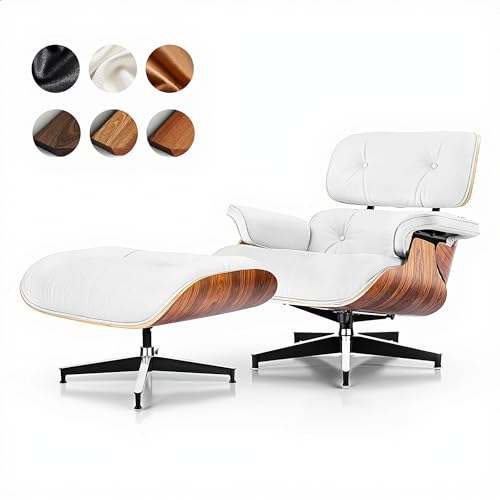
Asukale Top Grain Leather, Mid Century Chaise Lounge Chair and Ottoman, Modern Chair Classic Design, Heavy Duty Base Support for Living Room Study Lounge Office, Palisander-White
【Top Lounge Chaise】In staying true to the design's ethos and our commitment to excellence, we've focused on every…
As an affiliate, we earn on qualifying purchases.
As an affiliate, we earn on qualifying purchases.
Conclusion
You might wonder if collecting mid-century modern items is just a trend, but history shows these pieces have timeless appeal. Their unique designs and craftsmanship often increase in value over time, proving they’re more than just stylish decor. So, if you’re thinking about starting a collection, trust the theory that these collectibles aren’t fleeting fads—they’re future heirlooms in the making, blending history with your personal style. Start now, and watch your collection grow in both beauty and worth.

JONES CLOCKS® Movie wall Clock | Retro Rectangular Clock | 10 inch | Orange | Cool mid-Century Designer Look for Kitchen, Living Room or Office
Dimensions 19.5 x 25.5 x 4.5cm / 7.5 x 10 x 2in.
As an affiliate, we earn on qualifying purchases.
As an affiliate, we earn on qualifying purchases.
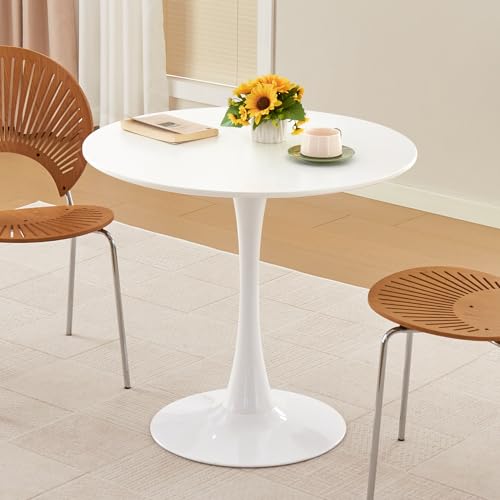
Hansweld Round Dining Table, 31.5" Circle Tulip Table with Thickened Tabletop & Metal Pedestal, Mid Century Modern Bistro Table for Kitchen, Small Places, Living Room, Cafe (White)
【Space-Saving Round Dining Table】This compact 31.5" table features a smooth engineered wood top that wipes clean in seconds…
As an affiliate, we earn on qualifying purchases.
As an affiliate, we earn on qualifying purchases.