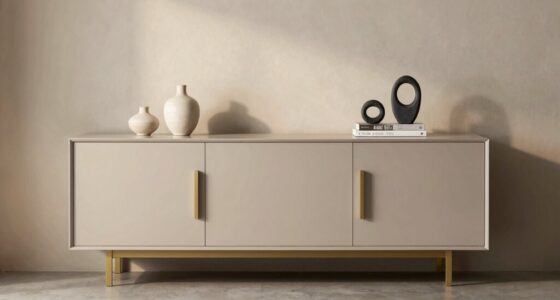

This guide walks you through choosing a mid-century modern accent chair, measuring your space so the chair actually fits, positioning it correctly in the room, and styling it so it works with your existing furniture. By the end, you will have a chair that suits your layout, your comfort needs, and your budget — not just a stylish object that looks out of place.

Get furniture and decor delivered free with Prime
- Fast, free delivery on millions of items
- Prime Video, Amazon Music and more included
- Member-only deals all year
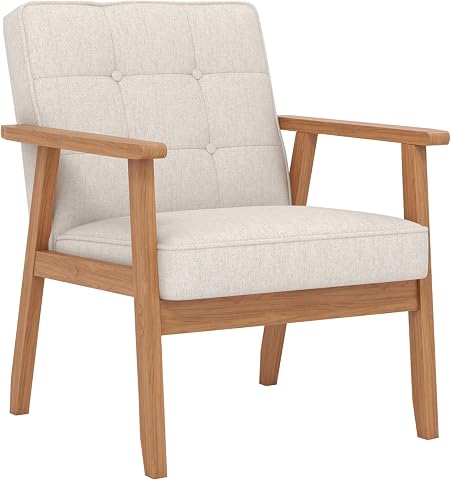
KCC Mid-Century Modern Linen Fabric Accent Chair with Wooden Armrests, Beige
- ✔ Color: Beige
- ✔ Upholstery Material: Linen fabric
- ✔ Frame Material: Wood

DUMOS Mid Century Modern Accent Chair with 16” Seat Height
- ✔ Brand: DUMOS
- ✔ Style: Mid Century Modern
- ✔ Seat Height: 16 inches
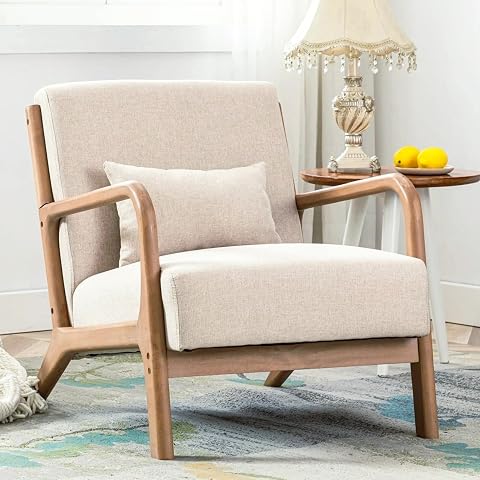
ANJ Mid Century Modern Accent Chair with Solid Wood Frame, Beige
- ✔ Brand: ANJ
- ✔ Dimensions: 26"W x 33"D x 30"H
- ✔ Frame Material: Solid Wood
This guide is written for beginners. No design training or furniture expertise is assumed. If you can hold a tape measure and browse a furniture website, you can complete this task. Expect to spend two to four hours on measuring, comparing options, and planning placement, with the timeline extending by however long shipping or in-store pickup takes.
Mid-century modern (often abbreviated MCM) refers to furniture design from roughly 1945 to 1970, characterized by clean lines, tapered wooden legs, low profiles, and functional simplicity. You do not need an authentic vintage piece to succeed here — quality reproductions and modern pieces in the MCM style achieve the same effect at a fraction of the cost.
Difficulty: Beginner | Time: 2-4 hours of planning and shopping, plus delivery time
What You’ll Need
Tools & Materials:
- A tape measure (at least 8 feet / 2.5 meters)
- Painter’s tape or masking tape for marking floor space
- A notebook, phone, or document for recording measurements
- A smartphone camera for reference photos
- A floor plan sketch (hand-drawn is fine)
- A budget figure you are willing to commit to
Knowledge:
- Basic measuring in inches or centimeters
- Familiarity with browsing online furniture retailers or visiting stores in person
Before shopping, decide whether you want true vintage, a licensed reproduction, or a budget-friendly replica. Vintage pieces (typically $600–$3,000+) can require refinishing and carry upholstery wear; replicas ($150–$500) are ready to use but vary widely in quality. Set your budget ceiling now so a striking listing cannot talk you into overspending later.
KCC Mid-Century Modern Linen Fabric Accent Chair with Wooden Armrests, Beige
The KCC wins our top spot because it nails the retro silhouette buyers actually picture when they hear "mid-century modern." The button-tufted backrest gives it a visual depth the other two chairs lack, and the wooden armrests ground the beige upholstery in that classic warm-toned aesthetic. Compared with the ANJ, which leans into curved arms and flared legs, the KCC takes a more tailored, upright approach — better suited to formal living rooms than boho lounges.Comfort-wise, the high-elasticity sponge padding is the standout. Unlike the DUMOS, which uses a similar foam concept but in a more compact shell, the KCC’s seat and back padding is built to hold its shape through daily use rather than flattening within a season. The breathable linen upholstery also matters more than it sounds: in warm climates, it stays noticeably cooler than the ANJ’s suede-blend fabric.The tradeoff is maintenance. Beige linen is unforgiving in homes with kids, pets, or coffee drinkers, and stains will show quickly. We’d also note that the assembly process isn’t well documented, so expect some figure-it-out time compared with the DUMOS’s tool-included setup.
Pros:
- Button-tufted backrest delivers the most visually authentic retro detail of the three
- Breathable linen stays cool in warm weather, unlike heavier suede-blend upholstery
- High-elasticity sponge padding resists flattening over time
- Wooden frame and armrests provide strong load-bearing support
Cons:
- Beige fabric shows stains easily and has limited color alternatives
- Assembly requirements are unclear, so setup time is unpredictable
Best for: Style-first buyers who want a daily-use chair with authentic tufted retro detailing and breathable upholstery
Not ideal for: Households with pets, small children, or anyone who hates spot-cleaning light fabric
Bottom line: The best all-around blend of mid-century style, breathable comfort, and lasting padding — if you can live with light-colored fabric.
“The best all-around blend of mid-century style, breathable comfort, and lasting padding — if you can live with light-colored fabric.”
DUMOS Mid Century Modern Accent Chair with 16” Seat Height
The DUMOS plays a different game than the other two: it’s the compact, no-fuss option for rooms where a full-size lounge chair would overwhelm. Its 26-inch-class footprint and single-seat design make it a natural fit for bedrooms, balconies, and reception corners — spaces where the ANJ’s wider 33-inch depth would feel bulky.That 16-inch seat height deserves real attention. It sits lower than a standard accent chair, which creates a relaxed, sunk-in reading posture some people love — and others find hard to stand up from. If you’re choosing between this and the KCC for a primary living room seat, the KCC’s more generous proportions make more sense. For a secondary seat, the DUMOS is the smarter spend.Where it beats both rivals is out-of-box experience: tools and instructions are included, and assembly is genuinely quick. The rubberwood frame is sturdy for the size, though it doesn’t carry the same premium feel as the ANJ’s solid hardwood construction. The extra-thick cushion partially compensates, offering the plushness of a larger chair in a smaller shell.
Pros:
- Quick assembly with all tools and instructions included
- Extra-thick high-resilience foam cushions feel plusher than the compact size suggests
- Ergonomic back support with integrated armrests
- Rubberwood frame is stable despite the smaller footprint
Cons:
- Compact single-seat design may feel cramped for larger users
- 16-inch seat height is low for anyone with knee or mobility concerns
Best for: Apartment dwellers and anyone furnishing a bedroom, balcony, or reading nook on a modest budget
Not ideal for: Larger users or anyone who prefers a higher, easier-to-stand seat height
Bottom line: The practical pick for small spaces — you trade some presence and seat height for easy setup and efficient use of floor area.
“The practical pick for small spaces — you trade some presence and seat height for easy setup and efficient use of floor area.”
ANJ Mid Century Modern Accent Chair with Solid Wood Frame, Beige
If the KCC is tailored and the DUMOS is compact, the ANJ is the traditionalist’s choice — the only chair here with the full mid-century signature: flared legs and gracefully curved arms. At 26 inches wide and 33 inches deep, it’s also the most generously proportioned of the three, with a wide padded back the DUMOS simply can’t match.Construction is where ANJ justifies its premium positioning. The solid wood frame throughout outclasses the DUMOS’s rubberwood and gives the chair a rigidity you can feel when you sit down. The ergonomic armrests and spine-supporting back make it the most comfortable choice for extended sitting — think long reading sessions rather than perching with a drink. It’s also the only chair that includes a throw pillow and anti-slip foot pads, the latter a small detail that matters enormously on hardwood floors.The compromises are real, though. The suede/linen blend is wipe-clean only, which means no removable covers and no deep cleaning — a bigger maintenance constraint than the KCC’s linen despite the similar beige color. And the 33-inch depth eats floor space, so in a tight apartment the DUMOS is the more rational buy.
Pros:
- Solid wood frame is the most durable construction of the three
- Curved arms and flared legs deliver the most iconic mid-century silhouette
- Includes a throw pillow and anti-slip foot pads that protect hard flooring
- Wide padded back with ergonomic armrests supports extended sitting
Cons:
- Wipe-clean-only fabric rules out deep cleaning or removable covers
- Deep 33-inch footprint demands more floor space than the DUMOS
- Assembly still required despite the easy label
Best for: Buyers who prioritize solid-wood durability, classic flared-leg styling, and long comfortable sits
Not ideal for: Small rooms where the deep footprint dominates, or anyone wanting machine-washable upholstery
Bottom line: The best-built, most classically styled option here — pay for it in floor space and cleaning flexibility.
“The best-built, most classically styled option here — pay for it in floor space and cleaning flexibility.”
As an Amazon Associate we earn from qualifying purchases.
Before You Start
Know the difference between a chair that displays well and one you will actually use. Lounge-style MCM chairs (like those with a shell seat and ottoman) invite long sitting but take up more floor area. Compact armchairs and barrel chairs fit small spaces but suit shorter sitting sessions. Decide the chair’s primary job before you fall in love with a silhouette.
Also confirm any delivery constraints: measure doorways, hallways, stair turns, and elevator openings along the delivery path. A chair that fits your room but not your front door is a failed purchase. Write down the narrowest width and the tallest clearance along that path and treat those numbers as hard limits.
Step-by-Step Instructions
Step 1: Measure the spot where the chair will go
Choose the wall, corner, or open zone where you want the chair, then measure the available width and depth with your tape measure. Record both numbers. Mark the intended footprint on the floor with painter’s tape using a rectangle roughly 32 inches wide by 32 inches deep — a typical MCM accent chair footprint.
Step back and look at the taped outline from the room’s main entry point and from the seating area. Walk around it as you normally would through the room.
Tip: Leave at least 18 inches between the taped outline and the coffee table or other seating so people can pass through comfortably. If the taped rectangle makes the room feel cramped, plan for a smaller chair (28 inches wide or less) now rather than after delivery.
Check: You have a taped rectangle on the floor that you can walk around without sidestepping, and you have written down the maximum width and depth the space allows.
Step 2: Match the chair to your room’s existing scale and materials
Photograph the room from two angles, including your sofa, rug, and any wood furniture. Look at the dominant materials and heights: dark walnut legs, light oak, black metal, brass? Seat height of your sofa? A mid-century chair sits low — typically 16 to 18 inches to the seat — so avoid pairing one with very tall, formal furniture.
Write down one or two wood tones and one accent color pulled from your rug, artwork, or cushions. These become your shopping filters.
Tip: You do not need a perfect match. Matching the wood tone family (warm walnut with warm oak, for example) is enough. Contrast in the upholstery color is fine and often desirable — a mustard, teal, or neutral bouclé chair against a gray sofa is a classic MCM pairing.
Check: You have a short written list: wood tone family, one or two acceptable upholstery colors, and your room’s seat-height range.
Step 3: Shop with hard filters, not browsing impulse
Open your chosen retailers — whether online stores, local vintage dealers, or secondhand marketplaces — and filter by your maximum width, maximum depth, and budget ceiling. Reject any chair exceeding your measured footprint before considering how it looks.
For each candidate, check three things: solid wood or plywood construction in the legs and frame, a seat depth of 20 to 24 inches for comfort, and removable or well-tailored upholstery. Read reviews specifically mentioning comfort after months of use, not just appearance.
Tip: For vintage or secondhand chairs, ask the seller for photos of the underside joints and seat base. Wobbling legs, cracked joints, and flattened cushion foam are the three most common hidden problems, and reupholstery alone often costs $300–$600.
Check: You have two or three finalists, each within your footprint limits and budget, with verified dimensions and acceptable construction.
Step 4: Test or simulate the chair before buying
If buying in person, sit in each finalist for at least five minutes — long enough for initial impressions to fade. Check that your feet rest flat on the floor, the back supports you without pushing your shoulders forward, and the arm height works for standing up easily.
If buying online, simulate scale: tape the exact chair dimensions onto your floor, place a dining chair inside the outline for reference, and photograph it from the room’s main angles. Compare the chair’s listed height against a piece of furniture you already own.
Tip: Online, download the product photo and hold it against your room photo at approximate scale. It is a rough method, but it catches obvious clashes in wood tone, color, and bulk before you order.
Check: One chair has passed both the dimension check and the comfort or scale simulation, and you have committed to it.
Step 5: Position the chair using conversation-distance rules
When the chair arrives, place it in the taped footprint. Angle it 30 to 45 degrees toward the main seating — an angled chair reads as intentional and inviting, while a chair squared flat to the wall reads like unused staging furniture.
Keep 3 to 5 feet between the chair seat and the nearest sofa or chair seat. That distance lets two people talk at normal volume without shouting or whispering.
Tip: If the chair is near a window, check whether the wood or upholstery will receive direct sun for hours daily. Rotate or reposition slightly, or add curtains, because prolonged sun fades upholstery and bleaches wood finishes.
Check: The chair sits within your taped zone, angled toward seating, and two people seated in the room can hold a conversation comfortably.
Step 6: Style and finish the placement
Add one or two supporting elements — a small side table within arm’s reach of the chair, a floor lamp if the spot is dim, and a throw pillow or folded blanket that echoes your accent color. Do not stack more than one pillow; MCM styling depends on restraint and visible line.
If the chair sits on a rug, confirm the front legs rest on the rug or the rug edge falls within 6 inches of the front legs. A chair floating entirely off the rug looks disconnected.
Tip: A slim, round side table pairs better with most MCM chairs than a bulky square one, and it fits the curved lines common to the style.
Check: The chair looks anchored rather than placed: within reach of a table or lamp, connected to the rug, and visually balanced against the rest of the seating.
Common Mistakes to Avoid
- Buying a chair that looks right online but overwhelms the room in person — Always tape the footprint on the floor before ordering. Dimensions on a screen feel abstract; a taped rectangle on your actual floor is not.
- Ignoring the delivery path and failing to get the chair through a doorway or stairwell — Measure the narrowest doorway, hallway, and stair turn before purchase, and compare against the chair’s widest assembled dimension. Check whether legs are removable.
- Pairing a low MCM chair with tall, formal furniture so the room feels mismatched — Check seat heights across your seating before buying. Aim for seat heights within about 3 inches of each other for visual harmony.
- Buying a deeply worn vintage chair assuming it just needs a wipe-down — Request underside and joint photos, and press on the seat cushion before purchase. Budget for reupholstery or foam replacement if either shows wear.
Troubleshooting
Problem: The chair arrived and looks too big despite fitting the taped footprint
Solution: Reduce visual bulk instead of returning it: remove any extra pillow, move the chair slightly out of a corner so light reaches around it, and pull the sofa a few inches closer so proportions tighten. If it still dominates, exchange for a narrower armless or barrel-style chair.
Problem: The chair wobbles on your floor
Solution: Check whether the floor is uneven by moving the chair a few inches and testing again. If the wobble follows the chair, inspect the legs for loose screws or a cracked joint and tighten or repair. Felt floor pads of varying thickness under one leg fix small gaps on uneven floors.
Problem: The wood tone clashes with existing furniture
Solution: Separate the pieces visually: place a rug, plant, or side table between the chair and the clashing furniture so they are not read as a pair. A throw in a bridging neutral color also softens the mismatch. Refinishing is a last resort.
Problem: The chair is uncomfortable for long sitting
Solution: Add a firm seat cushion or lumbar pillow in a matching accent color — a common and period-appropriate fix. If the seat is simply too low for the user, a slightly taller cushion raises usable height by 1 to 2 inches.
What Success Looks Like
You have succeeded when all of the following are true: the chair fits inside your planned footprint with clearance to walk around it; it angles toward the main seating at a conversation-friendly distance of 3 to 5 feet; the wood tone and upholstery relate visibly to your rug, art, or existing furniture; the front legs connect to the rug if one is present; a side table or lamp sits within arm’s reach; and sitting in the chair for twenty minutes with a book or drink feels natural, not awkward. The chair should look like it has always belonged in the room, and at least one guest should be drawn to sit in it rather than on the sofa.
Next Steps
Once the chair is placed, live with it for two weeks before adding more pieces — rooms often need fewer additions than expected. If the spot works, consider a matching companion chair or an ottoman to complete the seating group. Rotate the chair’s cushions monthly and vacuum upholstery with a brush attachment to extend life. For wood legs, apply furniture wax once or twice a year and keep the chair out of prolonged direct sunlight. If you bought vintage and plan to expand the collection, photograph and date your pieces now so future purchases match scale and era. If comfort issues persist after cushion adjustments, that specific silhouette may not suit your body — note the seat depth and height that failed, and use those numbers as exclusions in your next search.
Frequently Asked Questions
Do I need an authentic vintage chair to get a true mid-century modern look?
No. Well-made reproductions and modern chairs in the MCM style deliver the same visual effect. Authentic pieces add character and sometimes resale value, but they carry higher cost, wear, and potential repair needs. Choose based on budget and how much restoration work you want.
What size accent chair works best in a small living room?
Look for a chair under 30 inches wide with a depth of 30 to 32 inches. Barrel chairs and armless designs maximize seating without eating floor space. Tape the footprint first — a small room absorbs a bulky chair poorly even when the chair itself is only moderately large.
Which upholstery fabrics hold up best for a chair that gets daily use?
Performance fabrics, tightly woven polyester blends, and wool blends resist stains and wear well. Bouclé is very popular in MCM styling and reasonably durable, though it can snag. Avoid loose-weave linen on a high-use chair unless you accept visible wear within a couple of years.
How do I know if a secondhand chair is worth the price?
Check the frame (solid joints, no wobble), the seat base (no sagging or broken webbing), and the upholstery (no deep stains or odor). If the price plus reupholstery and repairs still comes in below a comparable new chair, it is worth considering; otherwise keep shopping.
Should the accent chair match my sofa or contrast with it?
Contrast is the standard approach and usually looks better: a distinct color or texture in the chair keeps the room from feeling flat. Tie the pieces together through shared elements instead — matching wood tones, a color echoed in a pillow, or a rug that connects both.
Halloween Picks
halloween
As an affiliate, we earn on qualifying purchases.