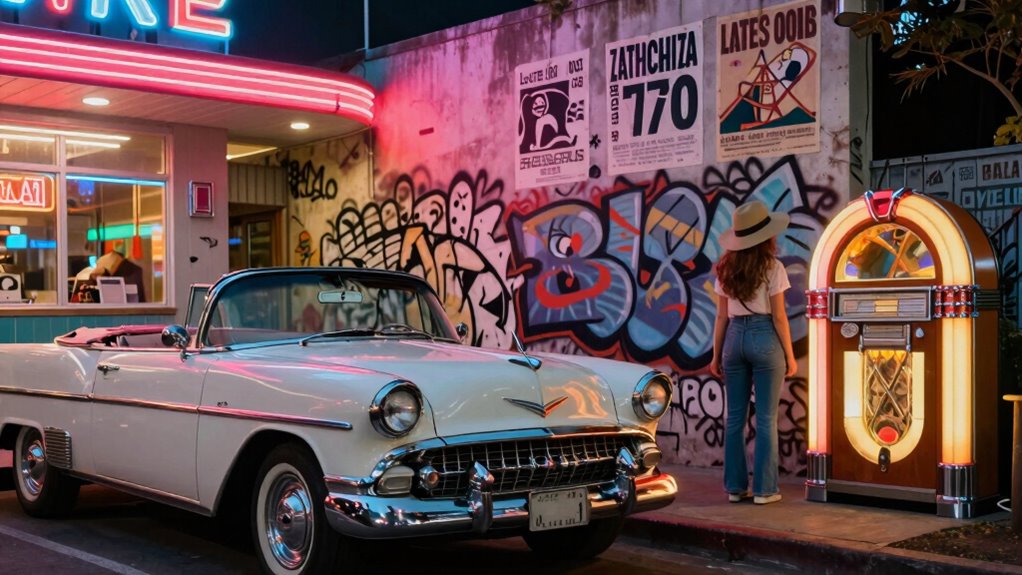
Retro styles aren’t just from one era because they’re a blend of influences from multiple decades, creating a layered, ever-evolving look. You see hints of 70s, 80s, or 90s mixed together, often updated with modern twists. It’s a reflection of cultural shifts, social movements, and artistic trends shaping fashion over time. If you want to explore how these influences come together to shape the vibrant, inclusive mosaic of retro, keep exploring further.
Open a free Amazon Business account
Business pricing, bulk buying and tax-exempt orders.
As an affiliate, we earn on qualifying purchases.
Key Takeaways
- Retro styles blend influences from multiple decades, creating a layered and multifaceted aesthetic.
- Fashion cycles borrow and reinterpret elements from various eras, avoiding strict chronological boundaries.
- Cultural and social contexts from different periods inform and shape retro fashion trends.
- Wearing retro reflects a mosaic of history, values, and creativity, not just a single time period.
- Retro continuously evolves through new influences, making it a living, inclusive tapestry rather than a static era.
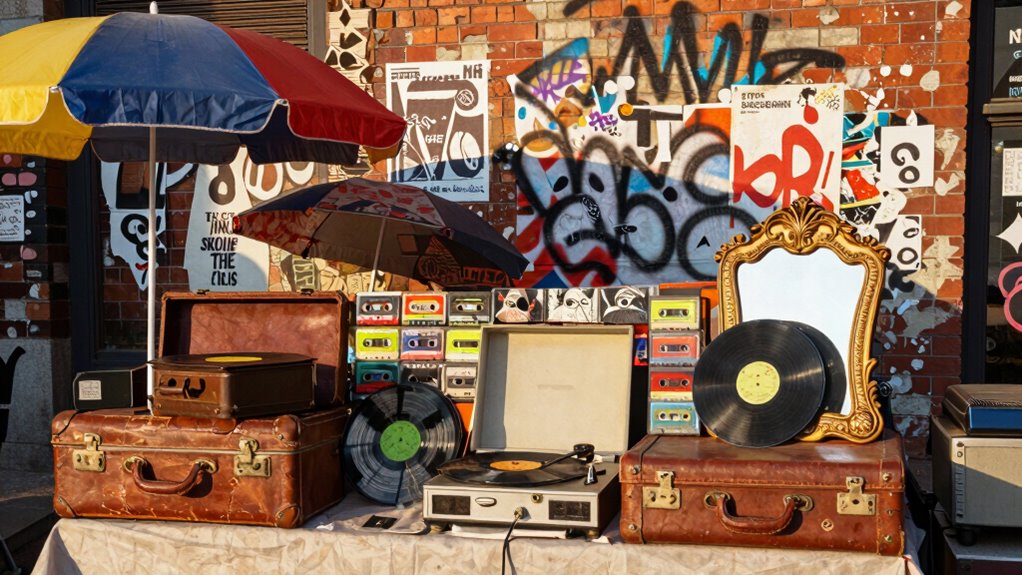
Retro style often feels like a single, nostalgic snapshot, but in reality, it’s a vibrant tapestry woven from multiple eras. When you think about retro, you might picture a specific decade—like the glamorous 1920s or the bold 1980s—but the truth is, it’s a blend of countless influences that overlap and intertwine. This fusion creates a rich, layered aesthetic that defies the idea of retro as just one moment in time. Instead, it’s a continual evolution of fashion, driven by cultural influences that shape how styles develop and re-emerge.
Retro is a vibrant blend of eras, woven from diverse influences that continuously evolve and reshape fashion over time.
The fashion evolution within retro styles shows how different eras borrow from each other, transforming trends as they cycle back into popularity. For example, the resurgence of vintage-inspired looks often mixes elements from various decades—think 70s bell-bottoms paired with 90s streetwear or 50s silhouettes with modern twists. This blend isn’t accidental; it’s a reflection of how cultural influences influence fashion over time. Music, art, political movements, and technological advances all contribute to the way styles evolve. You might see a modern take on the flapper dresses of the Roaring Twenties, infused with contemporary fabrics and cuts, because the cultural influences of that era still echo today. Similarly, the rebellious spirit of punk from the 70s finds its way into current streetwear, blending old attitudes with new styles.
Cultural influences are the key to understanding why retro never sticks to just one era. Every fashion trend is a response to the social and political climate of its time—whether it’s the optimism of post-war prosperity or the counterculture movements of the 60s. When you wear retro, you’re not just embracing a look; you’re channeling a story, a set of values, and a cultural moment. As styles cycle back into fashion, they’re often reinterpreted, filtered through modern perspectives while still paying homage to their roots. This ongoing dialogue between past and present keeps retro fresh and dynamic, never confined to just one era.
In the end, retro is more than a style—it’s a reflection of a complex cultural history that continues to evolve. By understanding how fashion has traveled through different moments and influences, you see that retro never means just one era. Instead, it’s a lively mosaic of history, culture, and creativity, constantly reshaping itself with each new generation. Recognizing cultural influences helps us appreciate the layered nature of retro styles more deeply. It highlights how fashion trends are often a tapestry of diverse inspirations, making retro styles uniquely multifaceted and inclusive.
As an affiliate, we earn on qualifying purchases.
Frequently Asked Questions
How Do Designers Blend Multiple Retro Styles Seamlessly?
You blend multiple retro styles seamlessly by mixing motifs thoughtfully and ensuring color coordination. Start by selecting key elements from different eras and balancing them with complementary colors. Use consistent patterns or textures to unify diverse motifs, creating harmony in your design. By carefully mixing motifs and maintaining a cohesive color palette, you evoke a layered retro vibe without it feeling chaotic, making your style feel both nostalgic and fresh.
What Are the Most Overlooked Decades in Retro Fashion?
You often overlook the 1920s and 1950s in retro fashion. These decades offer unique vintage revival moments and nostalgic aesthetics that can add depth to your style. The 1920s’ flapper dresses and art deco influences bring a bold, glamorous vibe, while the 1950s’ rockabilly and classic silhouettes evoke timeless charm. Exploring these lesser-celebrated eras helps you create a more eclectic, authentic retro look that stands out.
How Has Technology Influenced Retro Aesthetics Over Time?
You see, technology has played a huge role in shaping retro aesthetics over time through vintage technology and nostalgic innovation. As you revisit old gadgets or emulate classic designs, you feel a connection to the past, blending it with modern trends. This continuous cycle of innovation and nostalgia helps create fresh, timeless styles, proving that retro isn’t confined to one era but evolves through ongoing technological influence, inspiring new generations of fashion and design enthusiasts.
Can Retro Trends Be Sustainable and Eco-Friendly?
You can make retro trends sustainable and eco-friendly by choosing vintage fabrics and supporting eco-conscious production. Imagine yourself browsing through a thrift store, feeling the soft, timeworn fabric of a vintage jacket, knowing it’s reused and less wasteful. By embracing these options, you help reduce environmental impact, giving old materials new life. Retro doesn’t have to harm the planet; it can celebrate sustainability while keeping timeless style alive.
How Do Regional Cultures Shape Retro Revival Styles?
Regional cultures profoundly shape retro revival styles through cultural fusion and regional influences. You’ll notice that retro trends often blend local traditions with global styles, creating unique reinterpretations. For example, a retro fashion might incorporate traditional patterns or materials from a specific region, giving it authentic regional flair. By embracing these influences, retro styles become more diverse and meaningful, reflecting the rich cultural histories of different areas rather than just a single era.
As an affiliate, we earn on qualifying purchases.
Conclusion
You see, retro isn’t tied to just one era; it’s a vibrant mix from different times, blending styles, and ideas. Surprisingly, a 2022 survey found that 65% of people prefer vintage-inspired fashion that combines elements from multiple decades. So, next time you see someone rocking a 70s jacket with 90s sneakers, remember, you’re witnessing the timeless, ever-evolving spirit of retro—never just one era, always a new, exciting mix.
As an affiliate, we earn on qualifying purchases.
As an affiliate, we earn on qualifying purchases.
Flea & tick season Picks
flea and tick prevention
As an affiliate, we earn on qualifying purchases.