
TL;DR

Get furniture and decor delivered free with Prime
- Fast, free delivery on millions of items
- Prime Video, Amazon Music and more included
- Member-only deals all year
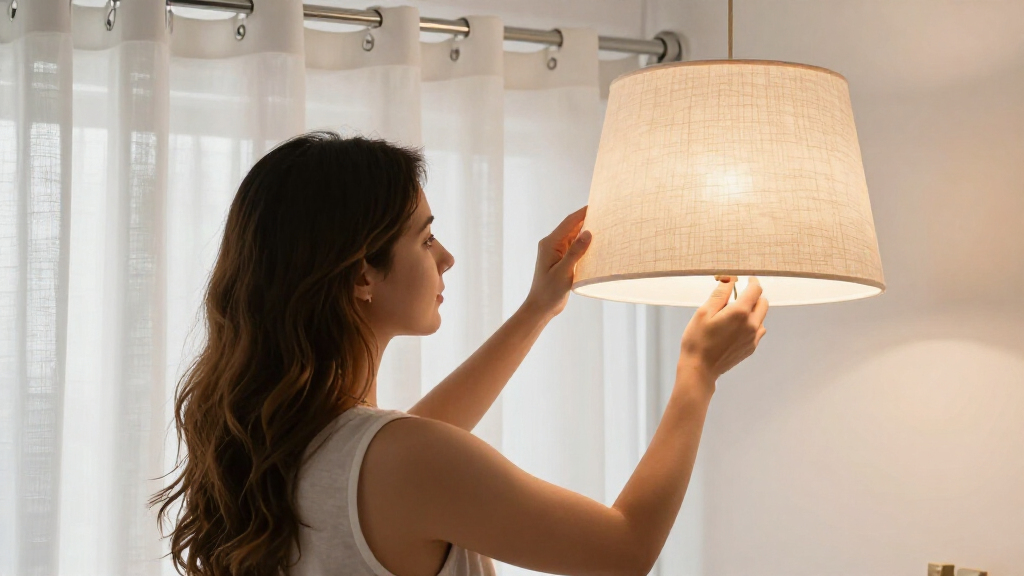
A DIY video by TikTok creator mellcasey shows how to cover a plain pleated lampshade with fabric cut from a shower curtain, matching it to a bathroom window curtain. The Hunker report describes the project as a lower-cost alternative to a custom shade, but gives no verified cost for the finished piece or independent test of its safety.
A TikTok video by creator mellcasey, featured in a report by Hunker, shows how to turn shower-curtain fabric into a custom lampshade by covering a pleated shade and coordinating it with a matching bathroom window curtain. The project offers a way to reuse or repurpose fabric instead of buying a custom-made shade, though the source does not document the finished project’s exact cost or test its safety.
The method uses a shower curtain, a pleated lampshade, scissors and a hot-glue gun. The curtain is cut slightly larger than the shade to allow full coverage, then attached with glue. Any excess can be trimmed or folded underneath. Hunker says a slim tool, such as the end of a paintbrush, can help press fabric into the grooves between the pleats.
The creator uses the same curtain as a bathroom window treatment, giving the room a coordinated look. Hunker notes that pleats should be deep enough for the fabric pattern to remain visible beneath the added layer. The technique can also be adapted to a plain, non-pleated shade, according to the report.
Hunker suggests reusing an old or marked lampshade, or finding an inexpensive one secondhand, as ways to reduce the project’s cost. The report says custom lampshades can cost more than $100 and describes this as a project that may be completed in an afternoon. Those figures are general comparisons in the source, not a documented price or timed demonstration of mellcasey’s finished shade.
A Low-Cost Route to Coordinated Decor
The project’s appeal is its combination of reuse and customization: a curtain pattern can carry from a window to a lampshade, while an existing shade can be refreshed rather than discarded. That may suit renters or homeowners trying to coordinate a room without commissioning a bespoke item, although the actual savings depend on the materials and what the maker already owns.
It also places a familiar bathroom textile in a less expected role. Hunker notes that lamps can add layered lighting in bathrooms, where a coordinated shade may make a lamp feel more connected to the room. The article does not establish how widely this particular design is being adopted or whether the fabric performs well over time.
shower curtain fabric for DIY lampshade
As an affiliate, we earn on qualifying purchases.
As an affiliate, we earn on qualifying purchases.
From Shower Curtain to Shade
Hunker presents the idea as one of several ways to use shower curtains beyond their usual bathroom function, including hanging them as window drapery. For this project, using one curtain for both a window and a shade is the key design choice: the shared pattern creates a visual link between the two furnishings.
The article names a pleated shade as the one used in the video but says the technique is not limited to that style. Its examples of retail products and approximate prices are suggestions, not confirmed details about the creator’s materials or spending. The source also includes separate social-media text about building a greenhouse from reclaimed windows; that material does not concern this lampshade project and is not evidence about its method or results.
“She uses a shower curtain to upgrade a plain lampshade into a custom piece that matches the furnishings in her bathroom.”
— Hunker’s report on the TikTok project
pleated lampshade replacement cover
As an affiliate, we earn on qualifying purchases.
As an affiliate, we earn on qualifying purchases.
Cost and Safety Still Need Checking
The source does not state when the video was posted, the exact dimensions or materials used, how much the creator spent, or whether the shade has been used over an extended period. It also does not provide independent testing of how the added fabric and hot glue respond to heat. Hunker recommends a low-heat LED bulb, but the report does not give a maximum wattage or establish that every lampshade and bulb combination is safe.
Readers should check the lamp and bulb manufacturers’ instructions and keep added fabric clear of the bulb and other hot components. The reported method is a DIY demonstration, not a certified product or a substitute for specific safety guidance for a lamp.
As an affiliate, we earn on qualifying purchases.
Check Fit Before Lighting
The source does not announce a follow-up video, product release or further testing. Anyone attempting the project can start by checking that the fabric covers the shade without interfering with its fit, then follow the lamp maker’s instructions for bulb type and clearance. The project’s next steps beyond the video remain unknown.
coordinated bathroom decor accessories
As an affiliate, we earn on qualifying purchases.
As an affiliate, we earn on qualifying purchases.
Key Questions
What materials does the lampshade project use?
Hunker lists a shower curtain, pleated lampshade, scissors and hot-glue gun. A slim tool can help press fabric into the pleats.
Can this work on a non-pleated shade?
Yes. Hunker says the approach can also be applied to a regular lampshade, though the creator’s example uses a pleated one.
How much does the finished lampshade cost?
The report does not provide the creator’s total. It says custom shades can cost more than $100, but that is a general comparison, not a verified saving for this project.
What bulb does Hunker recommend?
Hunker advises using a low-heat bulb, such as an LED, to reduce the risk of damaging the fabric or glue. Check the lamp manufacturer’s instructions as well.
Source: rss
Halloween Picks
halloween
As an affiliate, we earn on qualifying purchases.