
TL;DR
A trending social media challenge involves guessing blurry logos of popular DIY brands. The trend is gaining rapid attention, but details about its origin remain unconfirmed. It highlights increasing consumer engagement with DIY brands and brand recognition puzzles.
A new social media trend is capturing attention as users attempt to identify blurry logos of popular DIY brands. The challenge, which involves guessing the identities of obscured brand logos, has rapidly gained traction across platforms like TikTok, Instagram, and Twitter. While the trend’s origin remains unconfirmed, its viral spread underscores growing consumer engagement with DIY brands and brand recognition puzzles, making it a notable phenomenon in online culture today.
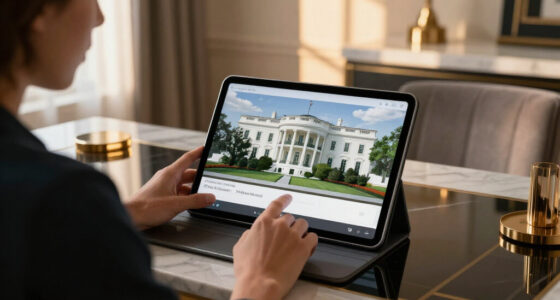
The trend involves posting images of DIY brand logos that have been deliberately blurred or obscured, prompting viewers to guess which brands they represent. Participants often share their guesses in comments or videos, creating a game-like atmosphere. The challenge appears to focus on well-known brands within the DIY, home improvement, and craft sectors, such as brands specializing in power tools, paints, or craft supplies. The surge in interest has been reflected in social media search trends, with spikes in searches related to ‘blurry DIY logos’ and ‘guess the brand challenge.’
Sources suggest that the trend may have originated from a small creator or niche online community, but no official origin has been confirmed. The challenge’s popularity is driven by its simplicity and the nostalgia of brand recognition, appealing especially to younger audiences familiar with these brands. No formal campaigns or marketing efforts have been linked to the trend, and it remains a user-generated phenomenon. Experts note that it taps into a broader interest in visual puzzles and brand awareness, which are common in online engagement strategies.
Potential Impact on Brand Recognition and Consumer Engagement
This trend highlights how consumers, especially younger demographics, are engaging with brands through playful and interactive content. It demonstrates the power of social media to turn brand recognition into a shared social activity, potentially increasing brand awareness in a non-traditional way. For brands involved, the challenge could serve as informal marketing, as increased visibility—whether through recognition or curiosity—may boost brand recall. Conversely, if some logos are too obscure, it could also reflect or foster confusion or indifference toward certain brands, impacting their recognition and perception.
Moreover, the trend underscores the growing importance of visual branding and logo design, as consumers become more visually oriented in digital spaces. It also raises questions about how brands might adapt their visual identities to remain recognizable in increasingly fragmented and playful online environments.
As an affiliate, we earn on qualifying purchases.
Rise of Visual Puzzles and Brand Recognition Trends
Over recent years, social media has seen a surge in visual-based challenges, ranging from logo quizzes to meme-based brand puzzles. These trends often gain momentum through user participation and shareability, tapping into nostalgia and curiosity. The current craze for guessing blurry logos appears to be part of this broader pattern, fueled by platforms like TikTok and Instagram where quick, engaging content spreads rapidly. Prior to this, similar trends included ‘guess the product’ games and logo remixes, which have historically helped brands stay top-of-mind in digital spaces.
The current spike in interest coincides with increased online searches for DIY brands, possibly linked to the ongoing popularity of home improvement content driven by the pandemic-era DIY boom. While the exact origin of this particular blurry logo challenge is unclear, it fits within a larger context of interactive social media phenomena that emphasize visual recognition and community participation.
As an affiliate, we earn on qualifying purchases.
Unconfirmed Origins and Future of the Trend
It is not yet clear who started the blurry logo guessing challenge or whether it is part of a coordinated campaign. The trend appears to be entirely user-generated, with no official endorsement from brands involved. Additionally, it remains uncertain how long the trend will sustain its popularity or if brands will respond with their own campaigns or clarifications. The impact on brand recognition and consumer perceptions is still being evaluated, and the trend’s future developments are unpredictable at this stage.
As an affiliate, we earn on qualifying purchases.
Monitoring Engagement and Brand Responses
Social media platforms and brands are likely to observe the trend’s trajectory over the coming weeks. Possible next steps include brands creating their own versions of the puzzle, engaging with users, or issuing clarifications if confusion arises. Researchers and marketers will also track engagement metrics and search interest to assess the trend’s influence on brand awareness. Further analysis may reveal whether this playful challenge translates into tangible brand recall or consumer loyalty benefits.
As an affiliate, we earn on qualifying purchases.
Key Questions
Where did the blurry logo guessing trend originate?
The exact origin remains unconfirmed, but it appears to have started within niche online communities or by individual content creators on platforms like TikTok or Instagram.
Which brands are commonly featured in these blurry logo puzzles?
Most puzzles involve well-known DIY brands, including power tool companies, paint brands, and craft supply manufacturers, though specific brands vary by post.
Could this trend benefit or harm the brands involved?
It could increase brand visibility and recall if participants recognize the logos, but if logos are too obscure or confusing, it might lead to indifference or misperceptions. No official impact has been reported yet.
Will brands respond to this trend?
Some brands may choose to engage by creating their own puzzles or clarifying their logos, but no official responses have been confirmed as of now.
How long might this trend last?
Its longevity is uncertain; social media trends tend to be fleeting, but if brands or creators capitalize on it, it could persist longer or evolve into new formats.
Source: rss