

TL;DR
MGallery’s latest report reveals three significant trends influencing Mediterranean travel, reflecting changing traveler preferences and regional growth. The report aims to guide industry stakeholders and travelers alike.
MGallery’s latest report confirms three key trends currently shaping travel to the Mediterranean, highlighting evolving traveler preferences and regional development. This development is significant for industry stakeholders, travel companies, and tourists planning future trips.
The report, released by Accor’s luxury brand MGallery, identifies three main trends: increased interest in sustainable and eco-friendly travel options, a rise in experiential and culturally immersive experiences, and a growing preference for less crowded, off-the-beaten-path destinations within the Mediterranean. These trends are based on recent surveys, industry data, and regional tourism analysis.
According to the report, sustainability is now a top priority for travelers, with many seeking accommodations and activities that minimize environmental impact. MGallery notes a 35% increase in bookings for eco-certified properties in the region over the past year.
Furthermore, the report highlights a shift toward experiential travel, with tourists showing greater interest in local culture, cuisine, and heritage sites. This is reflected in increased demand for guided tours, culinary experiences, and community-based tourism activities.
Lastly, the report observes a trend of travelers avoiding major tourist hotspots in favor of lesser-known destinations such as small coastal villages and rural areas, aiming for quieter, more authentic experiences. This shift is driven partly by the lingering effects of the pandemic and a desire for more personalized travel options.
Implications for the Mediterranean Tourism Industry
These trends indicate a fundamental shift in traveler behavior that could reshape the Mediterranean tourism landscape. Increased demand for sustainable options and authentic experiences may lead to new investment in eco-friendly infrastructure and community-based tourism initiatives. Regions that adapt quickly could gain competitive advantages, while those slow to respond risk losing visitors to emerging destinations. For travelers, these shifts offer opportunities for more meaningful and responsible travel experiences, but also require awareness of changing options and expectations. Overall, understanding these trends helps industry stakeholders anticipate future developments and align their offerings accordingly.

Hydra City Travel Guide: Unveiling the soul of Greece's most poetic and peaceful Island
As an affiliate, we earn on qualifying purchases.
As an affiliate, we earn on qualifying purchases.
Recent Developments in Mediterranean Travel Patterns
Over the past few years, Mediterranean tourism has seen notable changes due to factors such as the COVID-19 pandemic, which prompted travelers to seek less crowded destinations and prioritize safety. In 2023, regional tourism authorities reported a 15% increase in visitors to rural and lesser-known sites, alongside a surge in demand for eco-certified accommodations. Industry experts have observed a growing emphasis on sustainability and experiential travel, aligning with global trends but amplified in the Mediterranean context. The new MGallery report consolidates these observations and provides a focused analysis of emerging patterns shaping the region’s travel landscape.
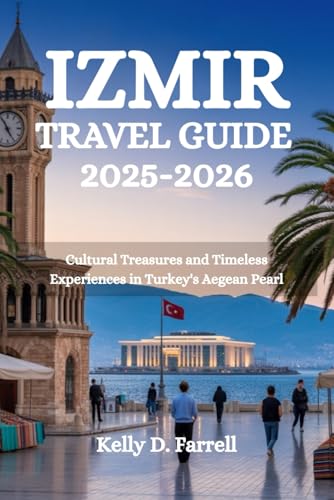
IZMIR TRAVEL GUIDE 2025-2026: Cultural Treasures and Timeless Experiences in Turkey's Aegean Pearl
As an affiliate, we earn on qualifying purchases.
As an affiliate, we earn on qualifying purchases.
Unconfirmed Aspects of Future Travel Trends in the Region
While the report identifies current trends, it remains unclear how these will evolve over the next few years. Specifically, the long-term impact of increased sustainability measures and the potential for new destinations to emerge as popular spots are still developing. Additionally, the influence of geopolitical factors and economic shifts on regional tourism remains uncertain, and further data is needed to confirm whether these trends will persist or accelerate.

Sorrento Pocket Travel Guide 2026: Your compact companion for exploring the top attractions, hidden gems and off the beaten path destinations of southern Italy
As an affiliate, we earn on qualifying purchases.
As an affiliate, we earn on qualifying purchases.
Next Steps for Industry Stakeholders and Travelers
Industry stakeholders are expected to respond by investing in sustainable infrastructure and developing authentic local experiences. Regional tourism boards may promote lesser-known destinations to distribute visitor flows more evenly. For travelers, understanding these trends can inform choices that align with their values and preferences, encouraging responsible tourism. Monitoring industry reports and regional data over the coming months will clarify how these trends evolve and which destinations benefit most.

humangear GoTubb – Storage Containers for Snacks, Small Essentials and Travel Gear, Made from Food-Safe Materials, Clear/Orange/Red, Small (3-pack)
The Civilized Container – humangear GoTubb is an ingenious, one-handed hard container
As an affiliate, we earn on qualifying purchases.
As an affiliate, we earn on qualifying purchases.
Key Questions
What are the main trends shaping Mediterranean travel according to the report?
The report highlights three main trends: increased focus on sustainable and eco-friendly travel, a rise in experiential and cultural immersion, and a preference for less crowded, more authentic destinations.
How might these trends affect travel planning in the Mediterranean?
Travelers may seek out eco-certified accommodations, participate in local cultural activities, and choose destinations outside traditional hotspots, leading to more personalized and responsible travel experiences.
Are these trends expected to continue long-term?
The report suggests these are current developments, but their long-term persistence depends on factors like regional policy, economic conditions, and ongoing traveler preferences. Further data is needed to confirm their durability.
Which regions are most likely to benefit from these travel shifts?
Less-known coastal villages, rural areas, and regions with strong sustainability initiatives are poised to attract more visitors as these trends grow.
Source: rss