To identify authentic mid-century modern furniture, examine craftsmanship and materials—look for precise joinery, natural wood grains, and smooth finishes. Check for signature design elements like geometric shapes and period-specific details while inspecting labels, maker’s marks, or signatures. Assess age-related wear and patina to confirm authenticity. Compare pieces with trusted resources or expert guides to spot genuine signatures and materials. If you want to go deeper, you’ll find more tips that help distinguish real vintage from reproductions.
Key Takeaways
- Examine construction details, joints, and materials for quality craftsmanship and signs of age-appropriate wear.
- Look for signature design elements like geometric shapes, sleek lines, and period-specific proportions.
- Check for authentic manufacturer labels, maker’s marks, or designer signatures to verify provenance.
- Assess patina, wear patterns, and surface aging to distinguish genuine vintage from reproductions.
- Consult expert resources, auction records, and reference guides to confirm authenticity and provenance.

Scotch Felt Pads 162 PCS Beige, Felt Furniture Pads for Protecting Hardwood Floors, Round, Assorted Sizes Value Pack, Self-Stick design, Protecting from nicks, dents and scratches (SP845-NA)
GREAT FOR FURNITURE AND DÉCOR: Scotch felt pads for furniture on hardwood floors are great for chair legs,...
As an affiliate, we earn on qualifying purchases.
Examining Construction and Craftsmanship

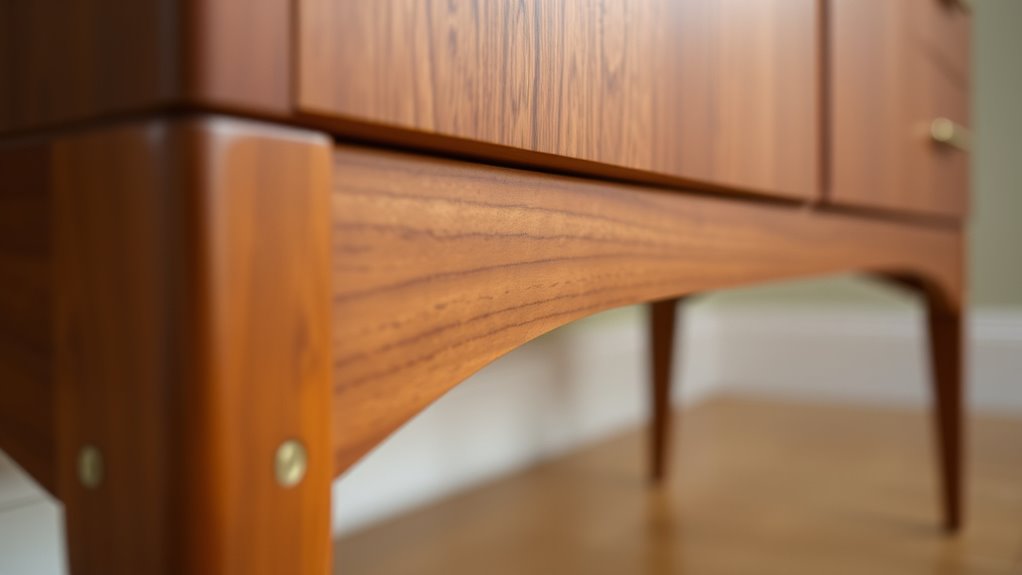
When evaluating mid-century modern pieces, paying close attention to construction and craftsmanship is essential. Authentic vintage furniture from this era showcases quality materials and precise joinery, reflecting the skilled craftsmanship behind modern design. Look closely at the joints, legs, and surfaces—well-made items will have sturdy, seamless connections without gaps or wobbling. Feel the weight of the piece; genuine vintage furniture often feels substantial and well-balanced. Check the finish for consistency and smoothness, which indicates careful attention during production. Poor craftsmanship, on the other hand, may reveal uneven edges, rough surfaces, or sloppy details, suggesting a reproduction. Additionally, inspecting original manufacturing techniques can help determine authenticity, as mid-century modern pieces often feature specific construction methods unique to that period. Recognizing signs of handcrafted details can further distinguish authentic items from modern reproductions. Understanding authenticity indicators is crucial for collectors and enthusiasts alike. For example, the presence of original hardware or unique joinery techniques can serve as key markers of genuine craftsmanship. Observing these subtle details can also reveal the maker’s skill level, adding to the piece’s historical value. By honing in on these details, you ensure that your vintage furniture truly embodies the craftsmanship that defined mid-century modern design.

Felt Furniture Pads 300 Pieces, Furniture Pads for Hardwood Floors Black
❤️STOP SCRATCHING YOUR FLOORS❤️ Place our felt furniture pads on the legs of your furniture to avoid scratching...
As an affiliate, we earn on qualifying purchases.
Identifying Signature Materials and Finishes

Signature materials and finishes are key indicators of authenticity in mid-century modern furniture. Look for pieces featuring rare wood grains like rosewood, teak, or walnut, which were popular during the era. These woods often have distinctive, intricate patterns that set genuine pieces apart from reproductions. Pay attention to the finish—many authentic pieces showcase a smooth, natural veneer or oil-based finish that highlights the wood’s richness. Vintage hardware is another telltale sign; original pulls, handles, and brackets often have a unique patina and craftsmanship that newer reproductions lack. Avoid overly shiny or mass-produced hardware, as these can suggest modern replacements. By examining these signature materials and finishes, you’ll better distinguish authentic mid-century modern furniture from imitations. Additionally, understanding the manufacturing techniques used during the period can help verify authenticity. Recognizing authentic craftsmanship can further help identify genuine pieces from synthetic or pressed alternatives. Being familiar with period-specific details also enhances your ability to spot authentic items at a glance. Paying attention to design proportions can also be a useful clue, as mid-century pieces often feature balanced and harmonious forms that reflect the design principles of the era. Engaging with collecting communities can provide valuable insights and help you stay updated on authenticating features.

Scotch Felt Pads 32 PCS Beige, Felt Furniture Pads for Protecting Hardwood Floors, 1" Round, Easy-to-apply, Self-Stick design, Reliable protection from nicks, dents and scratches (SP802-NA)
Ideal for use on furniture, lamps and décor that sit on finished surfaces
As an affiliate, we earn on qualifying purchases.
Recognizing Designer Marks and Labels
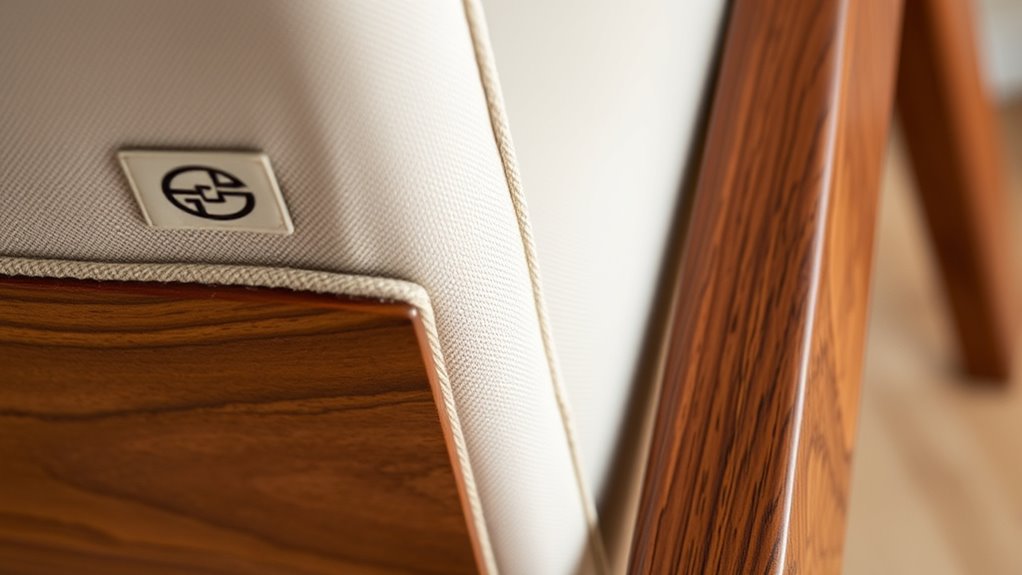
You can identify authentic mid-century modern pieces by spotting genuine labels and maker’s marks. These details often reveal the piece’s origin and designer, helping you verify its authenticity. Learning to recognize these marks is key to building a trustworthy collection. Paying attention to authenticity indicators such as material quality and craftsmanship can further assist in confirming the piece’s provenance. Additionally, understanding common designer marks can help distinguish genuine items from reproductions or imitations. Recognizing factory stamps and their placement can also provide clues about the piece’s authenticity and manufacturing period.
Spotting Authentic Labels
Authentic labels are one of the most reliable indicators of a genuine mid-century modern piece. When you’re evaluating vintage authenticity, label analysis is key. Look for clear, well-preserved labels that match known manufacturer styles and fonts from the era. Be wary of labels that seem glued or appear to be replacements, as these can be red flags. Authentic labels often feature specific details, such as logos, serial numbers, or country of origin markings, which help verify their legitimacy. Compare these details with trusted sources or reference guides. Remember, even subtle differences can signal a reproduction. By honing your eye for authentic labels, you’ll improve your ability to identify real mid-century modern furniture and avoid fakes. Understanding self watering plant pots can also help you recognize authentic manufacturing techniques and materials used during the era. Additionally, familiarizing yourself with original manufacturer marks can further enhance your ability to distinguish genuine pieces from reproductions.
Understanding Maker’s Marks
While labels provide valuable clues, recognizing maker’s marks offers another layer of verification for mid-century modern furniture. These marks, often stamped, engraved, or painted on the piece, reveal vintage branding that authenticates its origin. Familiarity with designer’s marks helps you distinguish genuine pieces from reproductions, especially as collectible trends evolve. Many iconic designers, like Eames or Nelson, left distinctive marks that can be tracked to verify authenticity. Understanding these marks also helps identify limited editions or special collaborations, increasing their value. Keep in mind, some maker’s marks have changed over time, so researching specific brands and their markings is essential. Identifying authentic markings is crucial for verifying authenticity and understanding a piece’s history. Recognizing these subtle yet vital details ensures you’re investing in authentic, desirable mid-century modern furniture. Additionally, consulting maker’s mark references can aid in accurate identification and appraisal. It’s also helpful to familiarize yourself with designer signatures that are often found on original pieces to confirm their provenance. Being aware of maker’s marks and their variations over time can significantly improve your ability to authenticate and appreciate authentic mid-century modern furniture.
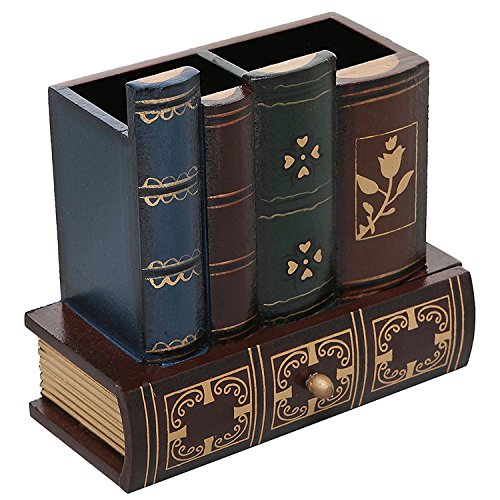
MyGift Decorative Desk Organizer Pen and Pencil Holder with Storage Drawer
Decorative wooden pencil holder and desk organizer designed to look like a set of ornate library books
As an affiliate, we earn on qualifying purchases.
Assessing Age and Wear Patterns
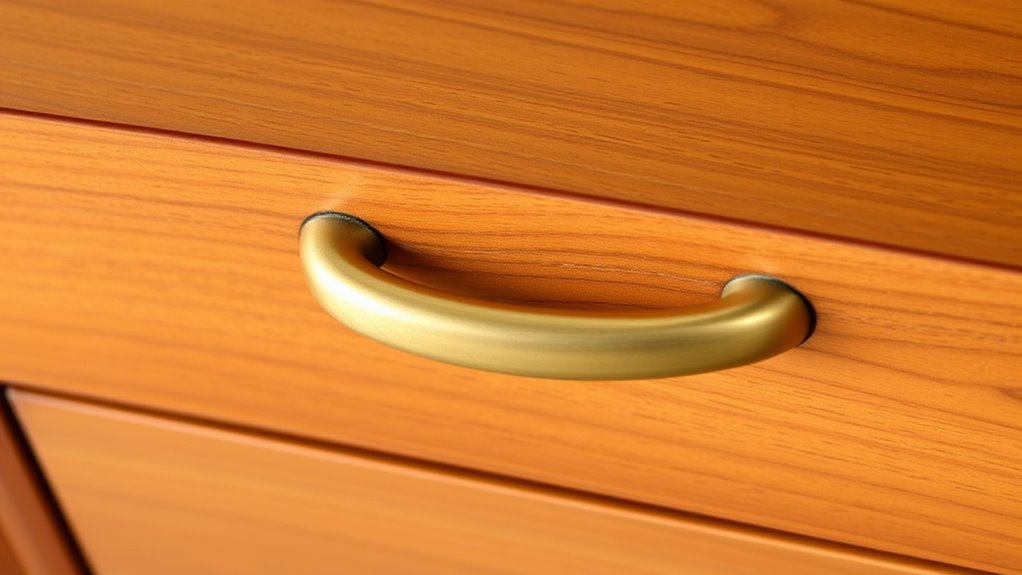
Evaluating the age and wear patterns of mid-century modern furniture provides valuable clues to its authenticity. Look for an antique patina, which develops naturally over decades, giving wood a rich, warm glow. Genuine pieces often show consistent wear patterns, such as smooth areas from regular use or slight indentations where hands rested. Be cautious of artificial aging; overly uniform or new-looking surfaces may signal reproduction. Examine joints and edges for signs of age-related deterioration, like small cracks or softened corners. Authentic mid-century furniture typically exhibits a subtle, uneven wear that reflects authentic use over time. Additionally, inspecting the material composition can help verify the piece’s age, since modern reproductions may use different woods or finishes. Remember, these signs can help distinguish real vintage pieces from modern reproductions attempting to mimic the period’s character.
Comparing Design Elements to Period Styles

To spot authentic mid-century modern pieces, you need to compare their design elements with typical period styles. Look for clean geometric shapes and sleek lines, which are hallmarks of the era. Pay attention to the materials, finishes, and color palettes, as these details can reveal whether a piece truly belongs to that time.
Geometric Shapes and Lines
Geometric shapes and clean lines are hallmarks of mid-century modern design, serving as visual signatures that distinguish authentic pieces from reproductions. You’ll notice the use of simple, bold forms, often inspired by the golden ratio, creating a balanced yet dynamic aesthetic. Asymmetrical design is also prevalent, adding visual interest and movement to furniture and décor. Look for sharp angles, circles, rectangles, and triangles that reflect this style’s emphasis on minimalism and proportion. To better understand, compare these features:
| Shape | Design Characteristic | Period Style Impact |
|---|---|---|
| Circles | Soft, organic forms | Emphasizes fluidity, harmony |
| Triangles | Sharp, angular lines | Adds drama, modern edge |
| Rectangles | Straight, clean edges | Focuses on simplicity |
| Asymmetry | Unequal balance | Creates visual interest |
| Golden Ratio | Perfect proportions, natural appeal | Ensures harmony and aesthetic appeal |
Material and Finish Characteristics
Authentic mid-century modern pieces often feature specific materials and finishes that set them apart from reproductions. You’ll notice the fabric textures are typically smooth, durable, and often made from natural fibers like wool, linen, or cotton, showcasing quality craftsmanship. The surface patinas on wood furniture reveal age and authenticity, with subtle variations in color and a soft sheen from years of use. Finishes tend to be matte or semi-matte rather than high-gloss, emphasizing the natural beauty of materials. Metal surfaces are usually brushed or matte, avoiding overly shiny or polished looks. Pay close attention to these details—they reflect the era’s emphasis on honest, functional design and help you distinguish genuine pieces from modern imitations.
Typical Color Palettes
Mid-century modern interiors typically feature color palettes that emphasize natural, earthy tones combined with bold accent hues. These color schemes reflect a connection to nature while introducing vibrancy through carefully chosen hues. Pay attention to pattern variations, as they often complement the palette and add visual interest. To identify authentic pieces, consider these key points:
- Use subdued, warm neutrals like browns, olive greens, and tans as a base.
- Incorporate bold pops of color, such as mustard yellow, teal, or burnt orange, for accents.
- Observe pattern variations that are simple, geometric, or abstract, aligning with the period’s aesthetic.
These elements help distinguish genuine mid-century modern design from imitations, highlighting the era’s balanced yet dynamic color use.
Consulting Expert Appraisals and Resources
When evaluating mid-century modern pieces, consulting expert appraisals and trusted resources can be invaluable. An expert valuation provides insights into authenticity and current market trends, ensuring you make informed decisions. Reliable sources include auction house reports, museum archives, and established appraisal services. These resources help you verify the piece’s provenance and compare prices accurately. Use the following table to understand key differences:
| Resource Type | What It Offers |
|---|---|
| Appraisal Services | Professional evaluations of authenticity and value |
| Auction Results | Recent sale prices and market trends |
| Museum Archives | Provenance and historical context |
| Industry Publications | Trends, artist info, and market insights |
| Online Databases | Verified information on mid-century pieces |
Leveraging these tools boosts your confidence in identifying authentic items.
Frequently Asked Questions
How Can I Differentiate Authentic Mid-Century Pieces From Reproductions?
You can differentiate authentic mid-century pieces from reproductions by examining craftsmanship details and conducting material analysis. Look for precise joinery, smooth finishes, and consistent construction, which indicate quality craftsmanship. Check the materials—authentic pieces often use solid wood, teak, or walnut, while reproductions may rely on veneers or composite materials. Research maker marks or labels, and compare details to verified originals. Trust your eye and touch to spot subtle signs of authenticity.
Are There Specific Regions Known for High-Quality Mid-Century Modern Furniture?
Did you know Scandinavia, especially Denmark, is renowned for high-quality mid-century modern furniture? You’ll find that regional craftsmanship shines through in their sleek designs and durable materials. Explore vintage markets in these regions to discover authentic pieces that reflect local artistry. These areas produced iconic furniture that’s highly sought after today, making them prime spots for collectors. So, when shopping, prioritize Scandinavian or West German designs for genuine mid-century modern authenticity.
What Are Common Signs of Modern Reproductions or Forgeries?
You can spot modern reproductions or forgeries by looking for faux finishes that mimic authentic wood grain or metal surfaces, which often appear overly uniform or glossy. Check for modern labels or markings that may indicate mass production or recent manufacturing. Authentic pieces usually have subtle signs of aging, unique craftsmanship, and genuine materials, while reproductions often lack these details and rely on superficial finishes to appear vintage.
How Does Provenance Impact the Authenticity of Mid-Century Modern Items?
A chain is only as strong as its weakest link, so provenance plays a vital role. It provides the historical context that confirms a piece’s origin, adding credibility. You should seek collector verification and documented history to guarantee authenticity of mid-century modern items. Provenance acts as your safeguard, helping you distinguish genuine pieces from fakes and making sure your collection remains true to its roots.
Can Price Alone Determine if a Piece Is Genuinely Authentic?
Price alone doesn’t confirm authenticity, but it offers clues through pricing strategies and collector insights. If a piece is considerably cheaper than similar authentic items, it’s a red flag. Conversely, a higher price might reflect rarity or provenance. Trust your knowledge, research, and expert opinions rather than relying solely on cost. Authentic mid-century modern pieces often carry a fair value based on history, condition, and desirability, not just a low or high price.
Conclusion
By mastering these tips, you’ll become a true detective of mid-century modern treasures, uncovering authentic pieces hidden in plain sight. Imagine unearthing a rare, perfectly preserved gem that could turn your collection into a museum-worthy showcase overnight. With your keen eye and knowledge, you’ll outsmart fakes and find treasures others only dream of. Get ready to become the ultimate authority on mid-century modern, turning every piece into a timeless masterpiece!