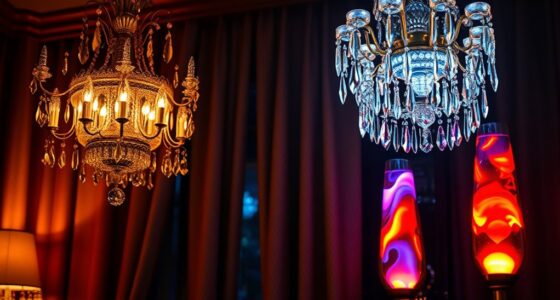
Understanding whether an item is vintage, retro, or antique helps you identify its true age and style. Vintage items are usually 20 to 100 years old and reflect specific eras and craftsmanship. Retro pieces mimic past styles, often from the mid-20th century, but are made more recently. Antiques are over 100 years old, carrying historical significance. Knowing these differences lets you better recognize, evaluate, and incorporate these styles into your space—if you explore further, you’ll get even clearer examples and tips.
Key Takeaways
- Vintage items are 20–100 years old, reflecting specific era styles and craftsmanship; antiques are over 100 years old with historical significance.
- Retro style mimics mid-century modern aesthetics from the 1950s–60s, often using modern materials to recreate past looks.
- Authenticity is verified through signs of genuine aging, original hardware, markings, and craftsmanship consistent with the item’s period.
- Age indicates the production date, while style defines visual appeal; they can overlap but are distinct in classification.
- Proper appraisal considers materials, provenance, condition, and restoration quality to accurately determine value and authenticity.
Top picks for "vintage retro antique"
Open Amazon search results for this keyword.
As an affiliate, we earn on qualifying purchases.
Defining Vintage: Characteristics and Examples

Vintage design refers to styles and items that are at least 20 to 100 years old, capturing the charm and character of a bygone era. You’ll notice that vintage pieces showcase craftsmanship techniques that emphasize detail and skill, often handmade or using traditional methods. Material authenticity is also a key feature, with genuine woods, metals, and fabrics that reflect the era’s quality and style. These elements give vintage items their unique appeal and durability. Unlike modern mass-produced objects, vintage pieces carry a sense of history and authenticity that makes them stand out. Additionally, the resale value of vintage items remains strong due to their desirability and rarity. Whether it’s furniture, clothing, or accessories, vintage design embodies a timeless elegance rooted in careful craftsmanship and genuine materials. This combination creates pieces that are both nostalgic and enduring, especially when they incorporate authentic materials that have stood the test of time. Moreover, craftsmanship techniques from past eras often demonstrate a level of skill that is rare in contemporary manufacturing, further elevating the value of vintage items. Embracing these qualities can also foster a deeper appreciation for attention to detail, which is a hallmark of authentic vintage pieces.
Exploring Retro: Origins and Style Elements

Have you ever wondered how retro style emerged and what sets it apart from other design eras? Retro draws inspiration from the mid century modern movement of the 1950s and 60s, characterized by clean lines, organic shapes, and functional forms. It often features bold colors, geometric patterns, and sleek furniture that evoke a sense of optimism and simplicity. You’ll also notice influences from art deco, which gained popularity in the 1920s and 30s, with its emphasis on glamour, symmetry, and luxurious materials. Retro design combines these elements to create vibrant, nostalgic spaces that feel both playful and timeless. By understanding these style elements, you can appreciate how retro captures the spirit of past eras while remaining fresh and relevant today. Environmental considerations play a role in sustainable design choices that can influence the materials and practices used in retro-inspired decor. Incorporating natural materials and eco-friendly practices can enhance the authenticity of retro spaces while supporting sustainability, especially as sustainable design practices become more prevalent in vintage-inspired decor. Additionally, choosing eco-friendly materials can help reduce the environmental impact of retro design projects. Recognizing the importance of color harmony can further refine how retro spaces are styled to achieve a balanced and cohesive aesthetic.
Understanding Antique: History and Value
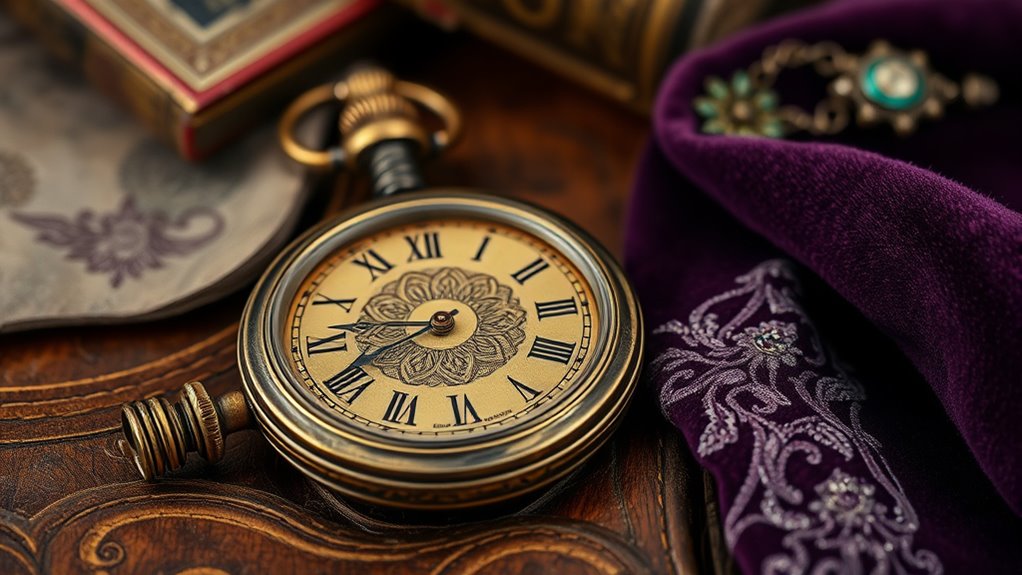
Understanding the history behind antiques helps you recognize their true significance and unique stories. When you appraise an antique’s value, you consider factors like age, rarity, and condition. This knowledge allows you to make informed decisions and appreciate the worth beyond just looks. Additionally, understanding different design styles can help identify the period and origin of the piece, further enriching your appreciation.
Historical Significance
Ever wondered why some antiques command higher values than others? It often comes down to their historical significance. Items with rich stories or ties to important events or figures carry more cultural symbolism, making them highly desirable. Restoration techniques also play a role; expertly preserved pieces that maintain authenticity tend to hold greater value. Understanding an antique’s history helps you appreciate its true worth beyond mere aesthetics. For example, a piece linked to a specific era or movement reflects the cultural shifts of that time, boosting its importance. When evaluating an antique, consider its provenance and the stories it embodies. These elements combine to elevate an item’s significance, making it not just a beautiful object but a tangible piece of history. Additionally, preservation techniques ensure that the item’s historical integrity is maintained, and employing proper restoration methods can further enhance its value and appeal. Proper documentation during restoration can also help establish provenance and authenticity, increasing its desirability among collectors. Recognizing the role of expert appraisal can also assist in accurately assessing an antique’s historical and monetary value.
Appraising Antique Value
Appraising antique value involves more than just admiring its beauty; it requires a careful assessment of various factors that influence worth. You need to consider its age, condition, and provenance, as well as any restoration techniques that might have been applied. Restoration can either enhance or diminish an item’s value, depending on quality and authenticity. Understanding how an antique fits within collectible markets is essential, as demand fluctuates over time. Be attentive to signs of repairs or alterations that could affect its worth. Authenticity plays a significant role, so verify markings, signatures, or unique features. Additionally, considering current market trends and vetted sources can provide insight into its true value. Conducting thorough research on the historical context of the piece can also give you a better understanding of its significance and rarity. Recognizing market demand trends can further help determine its desirability and potential future value. Familiarity with appraisal techniques can improve your accuracy in evaluating an item’s worth. By thoroughly evaluating these elements, you’ll gain a clearer picture of its actual value, ensuring you make informed decisions whether buying, selling, or collecting.
Key Differences Between Vintage, Retro, and Antique
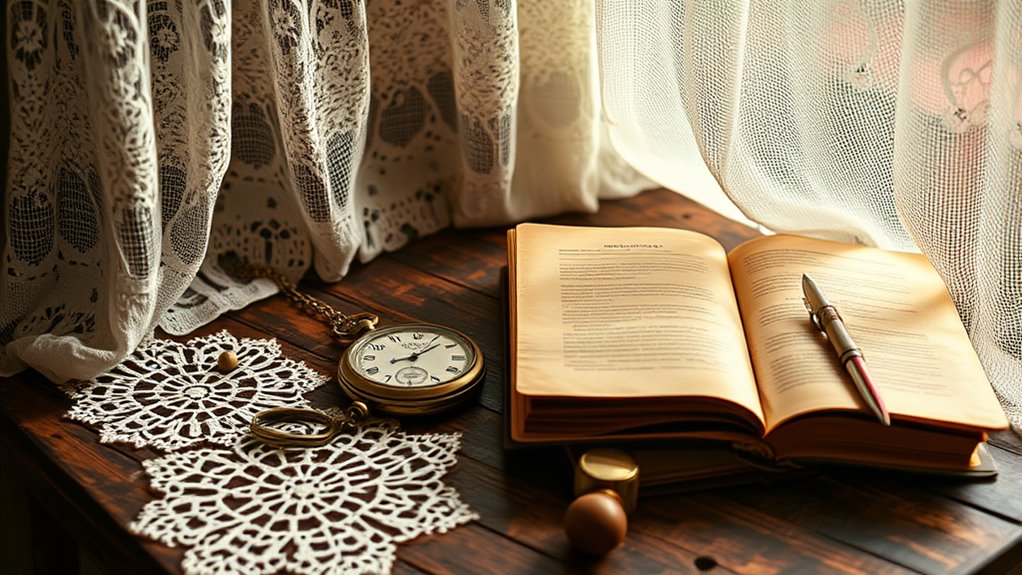
Understanding the differences starts with clarifying the time periods each term refers to. Vintage pieces typically come from a specific era, usually 20 to 100 years old, while retro describes styles inspired by the past but made more recently. Antique items are usually over 100 years old, and it’s important to recognize that style doesn’t always match the age of the piece. Additionally, ethical hacking exemplify innovative events that can be organized virtually or in person, fostering creativity and collaboration across diverse groups.
Time Periods Clarified
While the terms vintage, retro, and antique are often used interchangeably, they actually refer to distinct time periods that shape the character and value of items. Vintage typically describes items from about 20 to 100 years ago, reflecting the fashion trends and material technologies of its era. Retro refers to newer items inspired by styles from the past, often produced intentionally to evoke nostalgia. Antique items are over 100 years old, representing historical craftsmanship and materials. Here’s a quick comparison:
| Term | Time Frame | Key Characteristics |
|---|---|---|
| Vintage | 1920s–1990s | Authentic, reflects era-specific fashion trends |
| Retro | Late 20th century–present | Inspired by past styles, often modern reproduction |
| Antique | Over 100 years old | Historic, valued for craftsmanship and age |
Style vs. Age
Although vintage, retro, and antique items may sometimes look similar, their differences go beyond just age—they’re about style and the era they represent. Material durability varies: antiques often use solid, long-lasting materials reflecting their time’s craftsmanship, while vintage pieces may show more wear but still maintain durability. Retro items are inspired by past styles but are typically newer reproductions, emphasizing stylistic influences rather than age. Style defines their visual appeal—antique pieces often feature intricate details, vintage items reflect specific periods, and retro designs evoke nostalgia with bold colors and shapes. Age indicates how long ago they were made, but style reveals the aesthetic movements and cultural influences that shaped them. Recognizing these differences helps you choose pieces that align with your desired look and appreciation for history.
How to Identify Genuine Vintage Pieces

To identify genuine vintage pieces, you need to develop an eye for key details that distinguish authentic items from reproductions. Start by examining the craftsmanship; authentic vintage items often show signs of age, like subtle wear or patina. Restorations can sometimes mask these features, so understanding restoration techniques helps you spot inconsistencies. Material analysis is also essential—vintage pieces are made from materials that match their era, such as specific woods, fabrics, or metals. Look for original hardware, markings, or labels that date back to the period. Be cautious of modern manufacturing marks or overly perfect finishes. By closely inspecting these details, you’ll be better equipped to confirm whether a piece is genuinely vintage or a clever reproduction.
Recognizing Authentic Antique Items

Recognizing authentic antique items requires a keen eye for specific features that set them apart from later reproductions. Look for signs of genuine aging, such as subtle cracks, patina, or wear that natural aging produces. Check for consistent craftsmanship, as authentic antiques often display skilled restoration techniques that preserve original details without over-restoring. Examine the material preservation—authentic pieces typically show authentic patina on wood, metal, or glass, indicating age. Be wary of modern materials or finishes that mimic older styles but lack true age.
- Hand-forged nails or joints
- Original hardware with patina
- Fine, irregular brush strokes
- Authentic wear in high-use areas
- Signs of carefully executed restoration techniques
The Role of Time in Classifying Styles

Time plays a crucial role in classifying styles because it influences the design elements, materials, and craftsmanship used in different periods. Era distinctions help you identify when a piece was created and its historical context. For example, Victorian styles reflect the ornate craftsmanship of the 19th century, while Mid-Century Modern emphasizes sleek, functional design from the mid-20th century. Period influences shape the aesthetic, technology, and cultural values reflected in the items. Recognizing these influences allows you to date and categorize pieces accurately. By understanding how different eras influenced design trends, you can better appreciate the evolution of styles and make more informed choices when selecting vintage, retro, or antique pieces for your space. Time truly helps you trace the story behind each style.
Tips for Incorporating These Styles Into Your Space
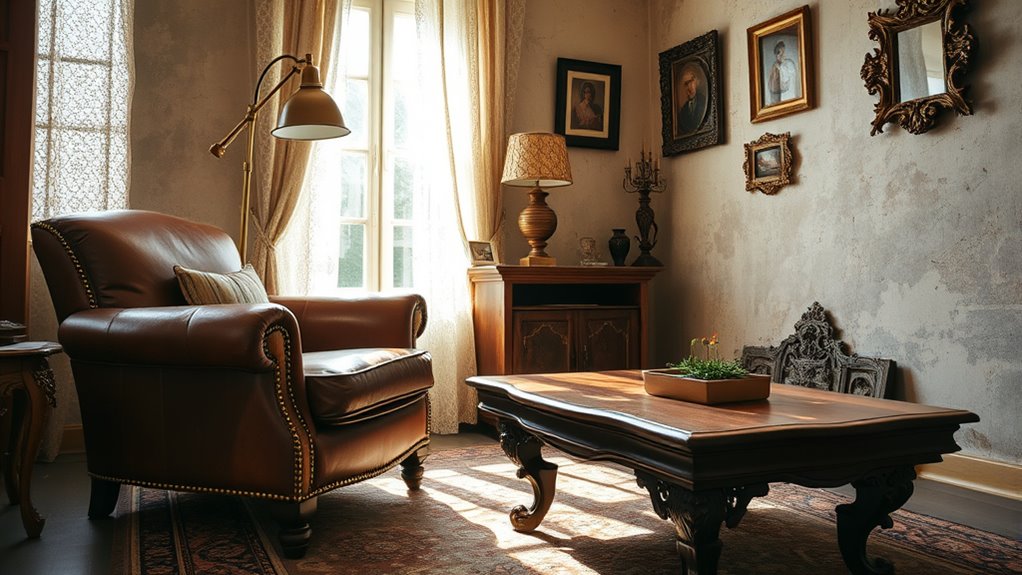
Wondering how to seamlessly blend different design styles into your space? Start by focusing on decorating with color to create cohesion. Use a neutral palette as a foundation, then add pops of vintage, retro, or antique pieces for visual interest. Mix and match furniture with complementary textures and finishes to blend styles smoothly. Incorporate statement accessories, like retro lamps or antique mirrors, to highlight key features. Keep the overall look balanced by avoiding overcrowding—less is more. Consider using a unifying element, such as a common color or material, to tie everything together. Remember, blending styles is about creating harmony; trust your instincts and experiment to develop a unique, curated space.
Common Mistakes When Distinguishing These Terms

A common mistake when blending design styles is confusing the terms used to describe them. People often mix up mid century modern with vintage or mistake bohemian decor for antique pieces. This confusion can lead to mismatched aesthetics and cluttered spaces. To clarify:
| Term | Description |
|---|---|
| Mid Century Modern | Sleek, minimalist furniture from the 1950s-60s. |
| Vintage | Items that are at least 20-30 years old, often nostalgic. |
| Antique | Items over 100 years old, valuable and rare. |
| Bohemian Decor | Eclectic, colorful style with global influences. |
Knowing these distinctions helps you curate a cohesive space rather than mixing incompatible styles.
Frequently Asked Questions
Can Items Be Both Vintage and Antique Simultaneously?
Yes, items can be both vintage and antique simultaneously. Factors influencing classification include age, rarity, and condition, which collectors consider when evaluating pieces. Typically, antiques are at least 100 years old, while vintage items are 20 to 99 years old. Some collectors see certain items as both, especially if they meet the age and historical significance criteria. Your perspective depends on how you value age and uniqueness.
How Do Cultural Influences Affect These Design Classifications?
You’ll notice cultural influences shape these design classifications through cultural symbolism and regional craftsmanship. When you see a piece with intricate patterns or specific motifs, it reflects local traditions and beliefs, making it more than just style. Coincidences like the blending of cultures or historical events add layers to these classifications. So, your appreciation deepens as you recognize how regional craftsmanship and cultural symbolism influence whether a piece feels vintage, retro, or antique.
Are Reproductions or Replicas Considered Genuine Vintage or Antique?
Reproductions or replicas aren’t considered genuine vintage or antique pieces because their reproduction authenticity isn’t original; they’re made to imitate, not originate. Regarding replica classification, these items are often marked or designed to distinguish them from authentic vintage or antique items. You should verify labels, craftsmanship, and provenance to determine if a piece is truly original or just a reproduction, ensuring you understand its true value and history.
What Materials Are Most Common in Vintage and Antique Items?
Think of vintage and antique items as time capsules, holding stories in their materials. You’ll often find wood, glass, metal, and ceramics—chosen for their durability and timeless appeal. These materials stand the test of time, proving their sourcing authenticity through craftsmanship and age. Their durability keeps them resilient, making them cherished pieces. You can trust that their material choices reflect the era’s quality and the craftsmanship that’s stood the test of time.
How Does Maintenance Differ for Vintage, Retro, and Antique Pieces?
You’ll find that maintenance varies depending on the piece’s age and materials. For vintage, use gentle cleaning and regular preservation methods like controlled humidity to prevent deterioration. Antique items often require careful restoration techniques to address structural issues, while retro pieces might need less delicate upkeep. Always research specific preservation methods for each, and consult professionals when necessary to guarantee they stay in great condition over time.
Conclusion
Now that you understand the differences between vintage, retro, and antique, you can confidently identify and incorporate these styles into your space. Some say vintage always means genuine, but in reality, many vintage-inspired pieces are modern reproductions. Trust your eye and research, and you’ll create a unique, authentic look. Remember, the key isn’t just age but the story each piece tells—so embrace the history and style that truly resonates with you.