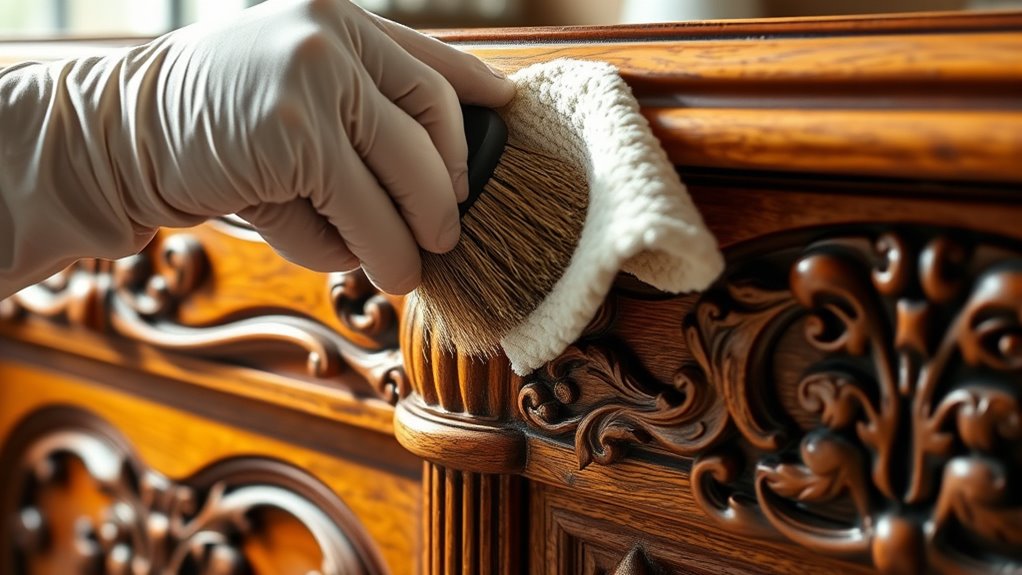

To care for your antique wood furniture, start by dusting regularly with a soft, lint-free cloth to prevent dirt buildup. Use a gentle, non-abrasive polish applied sparingly along the grain to enhance the finish, avoiding harsh chemicals that can cause damage. Keep moisture at bay by cleaning with damp cloths and drying immediately. For scratches or dull spots, consider specialized touch-up products or consult professionals for expert restoration tips. Keep exploring to uncover more ways to preserve its beauty.
Key Takeaways
- Dust regularly with a soft, lint-free cloth to prevent dirt buildup and surface scratches.
- Use high-quality, non-abrasive polish applied sparingly along the wood grain for a natural shine.
- Avoid excess moisture; clean with a damp cloth and dry immediately to prevent warping or damage.
- Address minor scratches with suitable touch-up kits to preserve the piece’s authenticity.
- For extensive repairs or restoration, consult a professional to ensure historical accuracy and proper care.

Antique wood furniture adds timeless elegance to any space, but caring for it requires careful attention. To maintain its beauty, you need to understand proper cleaning and preservation techniques. One of the most important aspects is knowing how to perform restoration techniques that preserve the piece’s historical integrity while restoring its luster. When approaching restoration, avoid aggressive methods that could damage the wood’s surface. Instead, gentle cleaning and suitable polishing methods can work wonders in keeping your antiques looking their best.
Start by dusting your furniture regularly with a soft, lint-free cloth. This helps prevent the buildup of dirt and grime that can scratch the surface over time. When deeper cleaning is necessary, dampen the cloth slightly with water or a mild wood cleaner, and wipe gently. Avoid soaking the wood or using harsh chemicals, as these can strip the finish or cause warping. For stubborn spots, a mixture of mild soap and water applied carefully can help, but always dry the surface immediately afterward. Remember, moisture is your enemy when caring for antique wood.
Polishing methods are vital for maintaining the furniture’s sheen and providing a protective layer. Use a high-quality, non-abrasive polish specifically formulated for antique wood. Apply it sparingly with a soft cloth, working along the grain of the wood, and buff gently to bring out its natural beauty. Avoid silicone-based polishes, as they can leave a residue that’s difficult to remove and may damage the finish over time. Regular polishing not only enhances appearance but also helps protect the surface from minor scratches and environmental damage. Additionally, understanding free floating techniques can help prevent warping and maintain stability in your antique piece over time.
When it comes to restoration techniques, sometimes your antique may need more than just cleaning. If the finish is dull or damaged, consider using a furniture restorer or touch-up kit designed for antique wood. These products can help fill in minor scratches and restore color without compromising the piece’s authenticity. For more extensive repairs, consult a professional who specializes in antique furniture restoration. They can carefully evaluate the piece, determine the appropriate techniques, and use historically accurate methods to preserve its value.

Milsek Antiques & Restoration Polish & Cleaner – Home Essential Cleaning Supplies for Home Improvement of any Wood Antiques or Heirlooms – 12 Fl Oz (Pack of 1)
Complete Wood Care Solution: Milsek Antiques & Restoration Polish & Cleaner cleans, polishes, protects, and restores your antiques…
As an affiliate, we earn on qualifying purchases.
As an affiliate, we earn on qualifying purchases.
Frequently Asked Questions
How Often Should Antique Wood Furniture Be Professionally Inspected?
You should have your antique wood furniture professionally inspected at least once every 1 to 3 years. Regular inspections help identify issues early, allowing you to apply proper restoration techniques and prevent pest damage. This proactive approach guarantees your furniture stays in top condition, preserving its value and beauty. Don’t wait for visible damage—schedule inspections regularly to maintain its integrity and enjoy its timeless charm for years to come.
Can I Use Regular Household Cleaners on Antique Wood?
You shouldn’t use regular household cleaners on antique wood because they pose risks to the delicate finish and overall preservation. Household cleaner risks include harsh chemicals that can strip away the patina and damage the wood. Instead, opt for gentle, specially formulated products designed for antique wood. This approach helps preserve the integrity and beauty of your antique furniture, ensuring it stays in excellent condition for years to come.
What Are Signs of Wood Damage or Pest Infestation?
Your antique wood might be hiding a nightmare. Watch for woodworm symptoms like tiny holes or fine powder, and mold growth that appears as fuzzy or discolored patches. These signs scream pest infestation or damage, risking the entire piece. If you notice these issues, act fast. Regular inspections can save your furniture from deterioration, ensuring your treasured antique remains a stunning centerpiece rather than a ruin.
How Do I Restore Faded or Scratched Antique Wood Surfaces?
You can restore faded or scratched antique wood surfaces by applying a suitable wood dye to revive the color. For scratches, use a gentle scratch repair technique, blending a matching stain or filler into the damaged area. Be sure to test the wood dye first on a hidden spot, and carefully follow product instructions to achieve a seamless finish. Regular maintenance will keep your antique piece looking beautiful for years to come.
Is It Safe to Use Lemon Oil or Other Polishes Regularly?
Imagine your antique wood furniture shining softly like a gentle lake at dawn—that’s the effect of using lemon oil benefits. It’s safe for regular use when applied sparingly, nourishing the wood and enhancing its natural beauty. However, you should also consider alternative polishes, especially those designed specifically for antiques. Always follow the product instructions, and avoid over-application to keep your cherished pieces protected and stunning for years to come.

Furniture Repair Kit Wood Markers – Set of 13 – Markers and Wax Sticks with Sharpener Kit, for Stains, Scratches, Wood Floors, Tables, Desks, Carpenters, Bedposts, Touch Ups, and Cover Ups
PRODUCT DETAILS – This 13 piece kit includes 6 Repair Markers, 6 paper wrapped wax sticks and 1…
As an affiliate, we earn on qualifying purchases.
As an affiliate, we earn on qualifying purchases.
Conclusion
With a gentle touch and a bit of patience, you can keep your antique wood furniture shining like a treasured gem. Think of each cleaning as whispering love to a cherished heirloom, preserving its story for generations to come. Treat it with care, and it will continue to stand as a beautiful monument to history, its rich grains and timeless charm gleaming under your gentle stewardship—turning your home into a living gallery of exquisite craftsmanship.
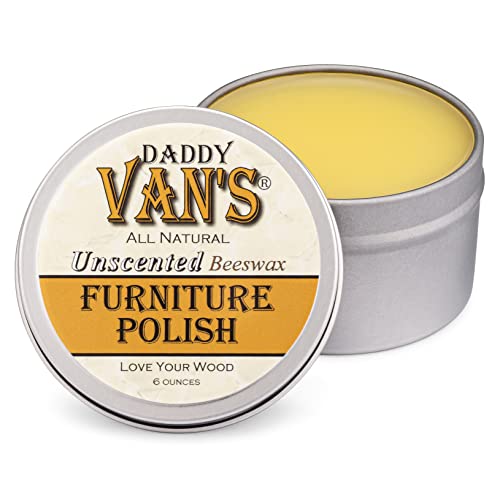
Daddy Van's All Natural Beeswax Furniture Polish – Unscented, Food-Safe Wood Wax for Furniture, Cabinets, Antiques & Butcher Blocks – Non-Toxic, Conditioning & Protective Finish for Wood Surfaces
✅ ALL-NATURAL BEESWAX WOOD POLISH & CONDITIONER – Made with 100% natural beeswax and carnauba wax, our formula…
As an affiliate, we earn on qualifying purchases.
As an affiliate, we earn on qualifying purchases.

Howard Products RF4016 RF3016 Restor-A-Finish, 16 oz, Walnut, 16 Fl Oz
Restor-A-Finish is a unique finish-penetrating formula that restores wood finishes while blending out minor scratches, blemishes and abrasions
As an affiliate, we earn on qualifying purchases.
As an affiliate, we earn on qualifying purchases.