A receiver combines a preamp, amplifier, and tuner in one unit, making it easy to manage your vintage audio system. An amplifier focuses solely on boosting the power to drive your speakers, while a preamp handles input switching and volume control before amplification. Understanding these differences helps you optimize sound quality and system performance. If you want to learn more about how these components work together and choose the right setup, keep exploring further details.
Key Takeaways
- A receiver combines preamp, tuner, and amplifier functions in one unit, ideal for all-in-one setups.
- An amplifier solely boosts audio signals to drive speakers, focusing on power output.
- A preamp processes low-level audio signals, handles input switching, and volume control before amplification.
- Vintage audio systems often use separate components for flexibility, while modern units integrate these functions.
- Understanding each component’s role helps in selecting the right vintage gear for optimal sound performance.
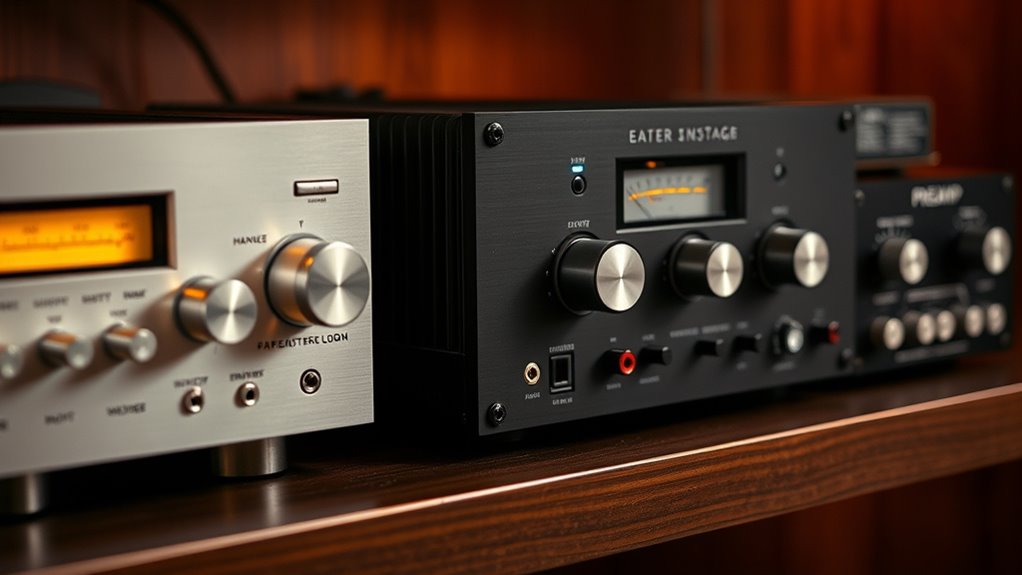
When setting up a home audio system, understanding the roles of a receiver, amplifier, and preamp is essential. Each component plays a critical part in delivering the best sound quality, and knowing how they interact helps you make informed choices. Let’s start with the amplifier, which is responsible for increasing the power output to drive your speakers. It takes the low-level audio signal from a preamp or receiver and boosts it to a level that can produce sound through your speakers. The power output of an amplifier is crucial because it directly affects how loud and dynamic your audio can be. Additionally, speaker impedance is a key factor here. Speakers are rated by impedance, usually measured in ohms, and matching this with your amplifier’s specifications is vital. If your speakers have a low impedance, they’ll demand more current from the amplifier, which means you need an amp capable of handling that load without overheating or shutting down. Conversely, high-impedance speakers draw less current, making them easier on the amp but potentially less efficient in producing high volumes. When choosing an amplifier, you want to guarantee that its power output aligns with your speakers’ impedance to avoid damage and optimize performance. Understanding the importance of **sound quality** and proper matching ensures your setup delivers clear, powerful audio.

Sony STRDH190 2-ch Home Stereo Receiver with Phono Inputs & Bluetooth Black
Amplify and enjoy your home audio experience in the comfort of your home.Frequency band : 2,400 MHz –…
As an affiliate, we earn on qualifying purchases.
As an affiliate, we earn on qualifying purchases.
Frequently Asked Questions
Can a Receiver Replace Both a Separate Amplifier and Preamp?
Yes, a receiver can replace both a separate amplifier and preamp because it’s an integrated unit designed to handle both functions. It combines power amplification and preamp controls, making setup simpler. Just ensure component compatibility with your other audio gear. This all-in-one design is ideal if you want a streamlined setup, but for high-end audio, some audiophiles prefer separate components for peak performance.
What Are the Main Differences Between Vintage and Modern Audio Components?
Modern audio components feature sleek designs and advanced digital technology, making them user-friendly and versatile. Vintage units, however, boast robust build quality and a warm sound character that many audiophiles cherish. You’ll notice that vintage equipment often feels more durable, but may lack the seamless integration and smart features of modern gear. Ultimately, your choice depends on whether you prioritize nostalgic craftsmanship or cutting-edge convenience and connectivity.
How Do I Choose the Best Component for a Small Room Setup?
To select the best component for a small room, focus on speaker placement and room acoustics. Opt for a compact receiver or integrated amplifier that provides enough power without overwhelming the space. Position your speakers at ear level, away from walls, to improve sound quality. Consider a preamp with tone controls to adjust for room acoustics. This setup ensures clear, balanced audio without clutter, making your small space sound its best.
Are Vintage Audio Components Compatible With Current Digital Sources?
Vintage audio components can often handle digital compatibility with some modern integration. You might add a digital-to-analog converter (DAC) or streaming module to connect digital sources seamlessly. This means your vintage gear can still deliver warm, classic sound while embracing contemporary technology. With a little customization, you create a perfect pairing of past and present, blending vintage charm with modern digital convenience for an ideal listening experience.
What Maintenance Is Required for Vintage Receivers and Amplifiers?
You should regularly perform cleaning routines on your vintage receivers and amplifiers to keep dust and dirt at bay, which can cause overheating or damage. Check and replace tubes periodically if your equipment uses them, as worn tubes can impact sound quality. Keep all connections tight, and avoid harsh cleaning agents. Proper maintenance extends their lifespan and guarantees ideal performance, so stay attentive to these routine care steps.

ARRAROWN ZK-1002T PRO 2.0 Channel Bluetooth 5.0 Amplifier Board 200W HiFi Subwoofer Audio AMP with Treble and Bass, BT USB and AUX Inputs, DC 12-24V 2.0 Channel Stereo AMP Module for DIY Speakers
Subwoofer Audio Amplifier Board: 100W+100W Bluetooth 5.0 wireless connection, Bluetooth, USB and AUX audio input, 2.1 channel stereo…
As an affiliate, we earn on qualifying purchases.
As an affiliate, we earn on qualifying purchases.
Conclusion
Understanding the differences between a receiver, amplifier, and preamp helps you choose the right setup for your audio needs. For example, if you want a streamlined system with built-in radio and multiple inputs, a receiver is ideal. But if you’re upgrading your high-end stereo, a dedicated amplifier paired with a preamp might deliver better sound quality. Knowing these roles guarantees you make informed decisions to create the perfect vintage audio experience tailored to your preferences.
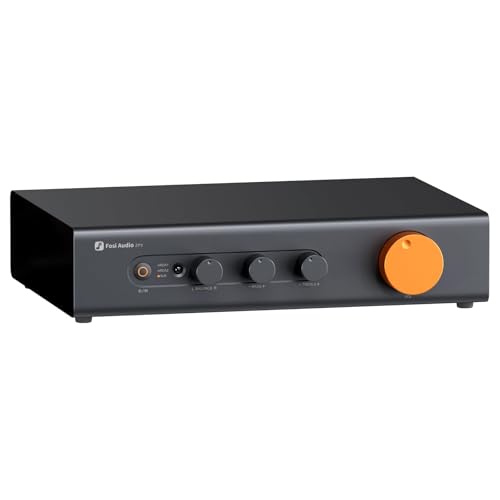
Fosi Audio ZP3 Balanced Preamp for Home Audio, 2 RCA and 1 XLR Inputs, RCA/XLR Outputs and Sub-Out, Pre Amp for 2 Channel Stereo and 2.1 Setup, Pre Amplifier with HPF High Pass Filter and Tone Control
Home Audio Control Hub: Features 3-in-3-out options for connecting up to three audio sources. Includes a remote control…
As an affiliate, we earn on qualifying purchases.
As an affiliate, we earn on qualifying purchases.
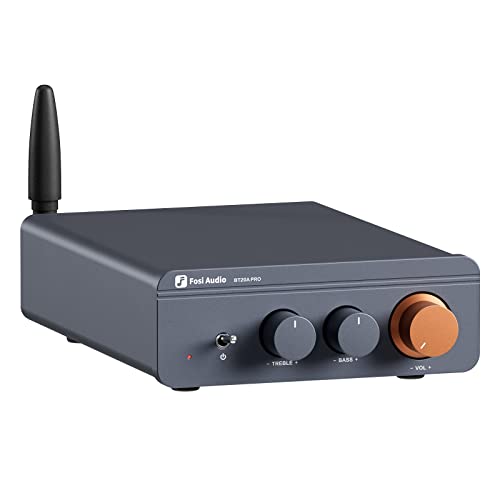
Fosi Audio BT20A Pro Bluetooth 5.0 Amplifier, 300W x2 Wireless Amp, TPA3255 2 Channel Mini Class D Integrated Home Audio Outdoor Stereo Receiver with Bass Treble Control for Passive Speakers
300 Watts x 2 Power Output: The TI TPA3255 chip amplifier has a feedback design and high-speed gate…
As an affiliate, we earn on qualifying purchases.
As an affiliate, we earn on qualifying purchases.