Most new vinyl records today are mastered from digital files rather than purely analog sources. While some records may be cut directly from analog tapes, digital origins are common because they offer easier editing, consistency, and efficiency. However, skilled mastering can still produce warm, rich sound from digital files. Understanding where your vinyl comes from helps you appreciate its character—and there’s more to uncover if you want to learn how mastering sources influence sound quality.
Key Takeaways
- Many new vinyl records are cut from digital files, not directly from analog tapes.
- Analog tape mastering provides a warm, vintage sound, but is less common in modern production.
- Digital sources allow for easier editing and consistency but may lack authentic analog warmth.
- Skilled mastering can enhance digital-origin records to sound warm and rich.
- The true “analog” quality depends on the mastering source and process, not just the pressing itself.

Have you ever wondered what mastering sources are and why they matter in the music production process? Essentially, mastering sources are the original recordings or files used during the final stage of audio preparation before distribution. They serve as the foundation for the sound that reaches listeners, so their quality and format greatly impact the final product. When it comes to vinyl records, understanding whether they’re truly analog involves knowing how these mastering sources are handled, especially in terms of digital conversion and analog tape.
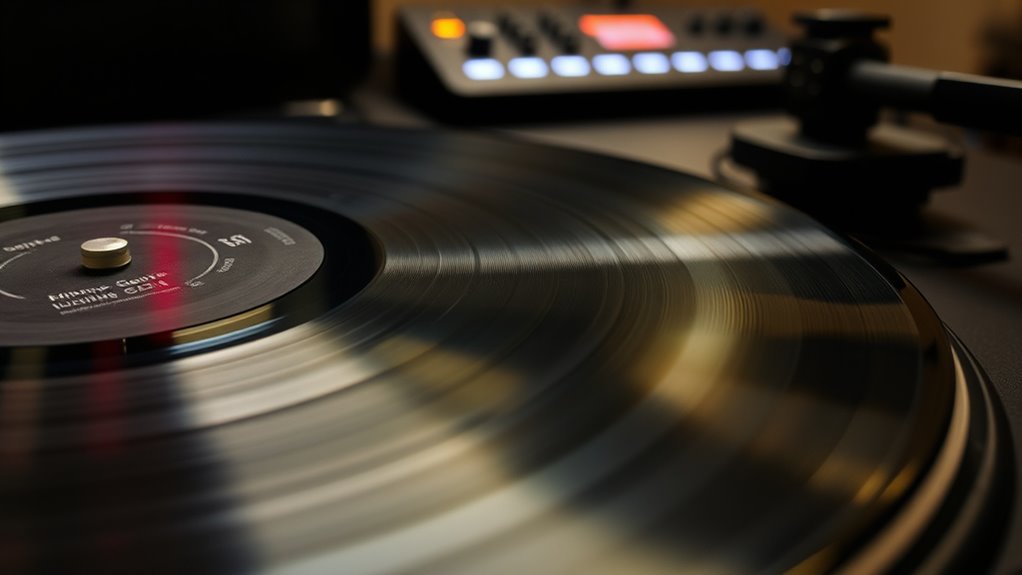
Most modern vinyl records are cut from digital files rather than directly from analog tapes. This is because digital conversion allows for easier editing, consistent quality, and streamlined workflow. When a digital file is used, the mastering engineer often works with high-resolution downloads or digital masters that have been processed through various plugins and hardware. From there, the audio undergoes a process called “cutting,” where the sound is transferred onto a lacquer disc, which eventually becomes the stamp for pressing vinyl. Despite this digital origin, many audiophiles argue that the sound can still be warm and rich, especially if the digital files are high-quality and the mastering process is carefully managed.
Most modern vinyls are cut from digital files, enabling easier editing and consistent quality.
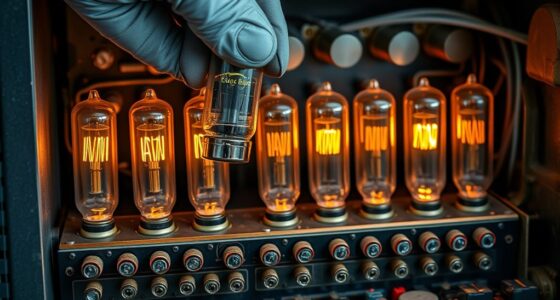
However, some purists insist that true analog sound comes from mastering directly from analog tape. Analog tape has a distinctive character—its saturation, subtle distortion, and natural compression contribute to a warm, organic sound that many associate with vintage records. When mastering engineers use analog tape as the source, they often prefer to keep the process as close to the original recording as possible. This method involves playing the tape into an analog mastering chain, which can include tube compressors and EQs that impart a unique sonic footprint. The challenge, though, is that using analog tape as the mastering source can be more labor-intensive and less flexible than digital, which is why many modern productions opt for digital conversion. Additionally, the digital-to-analog conversion process influences the overall sound character of the final record.
Whether you’re listening to a vinyl pressing that originated from digital files or one mastered directly from analog tape, it’s important to realize that the mastering source profoundly influences the final sound. In the case of new vinyl records, even if the source was digital, skilled mastering and quality pressing can produce a warm, authentic listening experience. Conversely, records cut from analog tape often boast a distinct tonal character that digital sources may struggle to replicate. Ultimately, understanding these differences helps you appreciate the complexity behind what makes a record sound the way it does and whether it’s truly “analog” in the purest sense.
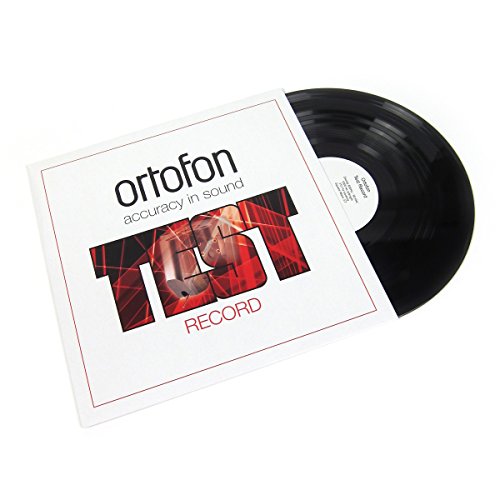
Ortofon: Test Record Vinyl LP
includes test disc + instructions
As an affiliate, we earn on qualifying purchases.
As an affiliate, we earn on qualifying purchases.
Frequently Asked Questions
Do Digital Files Influence the Quality of Vinyl Pressings?
Digital files can influence vinyl quality, especially if they undergo digital compression or have low file resolution. When mastering, using highly compressed or low-resolution files may limit the dynamic range and clarity of the final pressing. To guarantee the best sound, opt for high-resolution files with minimal compression, allowing the analog mastering process to preserve the music’s full richness and detail on your vinyl records.
Can Digital Mastering Sources Be Converted Back to True Analog?
Think of digital to analog conversion like translating a story from one language to another. While digital mastering sources can be transformed into analog, the master source’s authenticity is essential. If the original source was digital, the vinyl’s sound will reflect that digital origin, making it less purely analog. So, true analog quality depends on maintaining the integrity of the master source during the conversion process.
How Do Different Mastering Studios Impact Vinyl Sound Fidelity?
Different mastering studios markedly impact vinyl sound fidelity because of their studio equipment and mastering techniques. High-quality gear and precise techniques ensure cleaner, more dynamic sound, while outdated or lower-grade equipment can introduce noise and distortions. By choosing a reputable studio with advanced equipment, you’ll experience richer bass, clearer highs, and better overall fidelity, making your vinyl listening more enjoyable and true to the original recording.
Are There Specific Formats Better Suited for Analog Mastering?
You might think certain formats are better for analog mastering, but in reality, format compatibility and mastering techniques matter most. Vinyl records, especially high-quality pressings, are inherently analog, and mastering techniques like direct-to-disc or cutting from analog tapes preserve that authenticity. Digital formats can be used for mastering, but for true analog sound, opt for sources like analog tapes or direct-to-disc recordings to guarantee the purest experience.
What Role Does the Cutting Lathe Play in Sound Authenticity?
The cutting lathe plays a vital role in sound authenticity because it directly engraves the audio onto the vinyl. You can think of it as the bridge between the master source and the final record, capturing nuances and dynamics. The quality and precision of the cutting lathe determine how true the vinyl sounds to the original recording, making it essential for preserving authentic, high-fidelity sound.

Vintage Tape Recorders: A Pictorial History of Professional Tape Recorders, Long-Forgotten Studios, and Assorted Gear (Classic Vinyl Collector Series)
As an affiliate, we earn on qualifying purchases.
As an affiliate, we earn on qualifying purchases.
Conclusion
So, isn’t it a bit ironic how the very source meant to preserve true analog warmth can sometimes come from digital masters? You might stumble upon a record that surprises you, blurring the lines between digital and analog. In the end, whether it’s truly pure or not, the magic of vinyl remains. After all, sometimes the best listening experience just happens when worlds unexpectedly collide, creating a perfect coincidence you never saw coming.

BLAZE (2023)
As an affiliate, we earn on qualifying purchases.
As an affiliate, we earn on qualifying purchases.
analog vs digital mastered vinyl
As an affiliate, we earn on qualifying purchases.
As an affiliate, we earn on qualifying purchases.