Rotary dial phones work by mechanically converting your finger movements into electrical pulses. When you turn the dial to a number, a finger stop prevents over-rotation, and the dial quickly returns to its start position. Each turn generates a series of pulses corresponding to your chosen numbers, which travel down the line to connect your call. This simple, mechanical process showcases early telecommunications ingenuity—if you want to explore more, you’ll find fascinating details about how it all came together.
Key Takeaways
- Rotary phones use a mechanical dial that, when turned, triggers pulses corresponding to each number dialed.
- The dial’s rotation activates a finger stop, then returns to rest, generating a specific number of electrical pulses.
- Each pulse is sent down the line, signaling the central office to connect the call based on the number dialed.
- The system relies on pulse signaling, a mechanical method that predates digital tone-based dialing.
- The simplicity and durability of rotary phones made them reliable, with a tactile experience that remains iconic today.

Retro phone technology has experienced a surprising resurgence as enthusiasts and collectors seek to relive the charm of bygone eras. One of the most iconic pieces of this technology is the rotary dial phone, which relies on manual dialing and pulse signaling to connect calls. When you pick up a rotary phone, you’re holding a device that operates through a simple yet ingenious mechanism. To make a call, you don’t just press buttons—you rotate a numbered dial. Each number you dial causes a series of pulses to be sent down the line, signaling the central office to connect your call. This process of manual dialing is what sets rotary phones apart from modern touchscreens, giving you a tactile experience that feels both nostalgic and satisfying.
As you turn the dial, a finger stop prevents you from over-rotating, and the dial returns to its resting position automatically. During this rotation, a series of electrical pulses are generated. These pulses are sent rapidly through the phone line as the dial spins back to its starting point, with each pulse corresponding to a specific number. For example, dialing the number 3 results in three pulses being sent, while dialing 7 results in seven pulses. The central switching system recognizes these pulse signals and routes your call accordingly. It’s a straightforward, mechanical process that doesn’t require digital technology but still manages to connect you across distances effectively.
Pulse signaling was the standard method used in early rotary phones, and it’s a testament to the ingenuity of pre-digital telephony. When you use a rotary phone, you’re engaging in a process that’s fundamentally different from modern digital dialing, but it’s just as effective. The simplicity of manual dialing and pulse signaling means there are fewer parts that can break down, giving rotary phones a reputation for durability. While it might seem slow compared to tap-to-dial or voice commands today, the process of manually dialing each number with a rotary dial provides a satisfying mechanical rhythm that many find nostalgic.
If you ever get the chance to hold a rotary phone, you’ll notice how engaging the experience is. Instead of tapping a button, you rotate the dial with your finger, feeling each click as it counts down the pulses. This tactile feedback, combined with the straightforward pulse signaling, creates a sense of connection to the past. It’s a reminder of how technology, even in its simplest form, was designed to be reliable and user-friendly, making rotary dial phones a beloved relic of the golden age of telephony. Understanding the mechanism behind pulse signaling reveals the ingenuity of early telecommunications technology.

Small Creative Retro Phone Model, European Resin Rotary dial Phone, Coffee Shop, bar, Showcase, Home Decoration Props
Material: high-grade resin. Style: Vintage.Product Dimensions: Length 5" x width 3.5" X height 6", microphone length 7.5"
As an affiliate, we earn on qualifying purchases.
As an affiliate, we earn on qualifying purchases.
Frequently Asked Questions
How Did Rotary Phones Connect to Modern Digital Networks?
You connect rotary phones to modern digital networks through adapters that convert analog signaling and pulse dialing into digital signals. These adapters translate the rotary dial pulses into tone signals or digital data, allowing your vintage phone to communicate with contemporary phone systems. By bridging the gap between analog pulse dialing and digital networks, they enable your rotary phone to work with modern telecommunication infrastructure seamlessly.
Were Rotary Phones Used Worldwide or Only in Specific Regions?
Imagine a world where you pick up a rotary phone, its circular dial flicking back with each number—this was a sight seen mostly in certain regions. Rotary phones had a global adoption, but regional variations existed due to technological development and infrastructure differences. They were widely used in North America and Europe, yet less common in Asia or Africa, where newer technologies quickly took hold.
How Long Did It Take to Dial a Number on a Rotary Phone?
You can expect dialing a number on a rotary phone to take about 3 to 5 seconds per digit. Your dialing speed depends on how quickly you rotate the dial and how many digits are in the number. This process offers a unique user experience, as it requires deliberate, smooth movements. While slower than modern phones, it gives you a satisfying, tactile feel that many users found charming and intuitive.
What Materials Were Commonly Used to Make Rotary Dial Phones?
You’ll find that rotary dial phones were made with durable plastic casings, which kept them lightweight yet sturdy. Inside, metal components like the dial mechanism and internal contacts provided reliable performance. The combination of plastic and metal not only guaranteed longevity but also made manufacturing easier. These materials reflect the technology of the time, blending practicality with durability, so your rotary phone could last for many years of use.
Are Rotary Phones Still Functional With Today’s Phone Lines?
You might think rotary phones are outdated, but they can still work on modern phone lines if your service uses pulse dialing. This sparks cultural nostalgia and makes vintage restoration fun. Keep in mind, digital systems like VoIP may not support rotary dialing, so check your provider. If compatible, you’ll enjoy the charm of vintage tech, adding character to your home while reconnecting with the past.

HTMengt Retro Rotary Phone with Speaker/1930s Antique Landline Phone/Vintage Rotary Dial Telephone/Old Fashioned Rotary Phone/Special Feature: Hearing Aid Compatible,Speaker, Redial, Ringer Off,Black
〖 Retro Classic Design, Durable Construction〗: The retro rotary phones for landline popular from 1930s, captures the nostalgic…
As an affiliate, we earn on qualifying purchases.
As an affiliate, we earn on qualifying purchases.
Conclusion
Now that you know how rotary dial phones worked, you can almost hear the clunky clicks and whirls of a bygone era. It’s like holding a tiny piece of history in your hand—so simple, yet so revolutionary. Imagine trying to call your friend with that massive dial—your finger might get stuck! This tech might seem slow, but it paved the way for the lightning-fast phones we use today. Retro phones truly changed the world!

Tyler Retro Style Landline Phone, Push Button Rotary Look, Large Button Vintage Corded Phone, Power Outage Safe, Redial Button, Old Classic Retro Phone (Retro Blue)
VINTAGE IS NOW MODERN: Add a classic touch and look to your home or space with our Tyler…
As an affiliate, we earn on qualifying purchases.
As an affiliate, we earn on qualifying purchases.
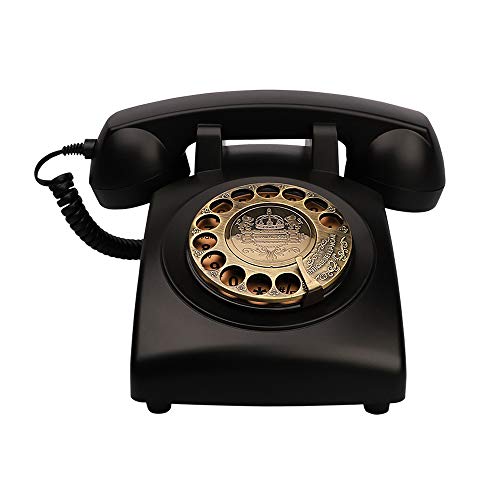
TelPal Antique Phones Corded Landline Telephone Vintage Classic Rotary Dial Home Phone of 1930s Old Fashion Business Phones Home Office Decor Landlines
It is the most popular classiccollectiono f corded telephone with rotary dial keys; 1930s retro style. A beautiful…
As an affiliate, we earn on qualifying purchases.
As an affiliate, we earn on qualifying purchases.