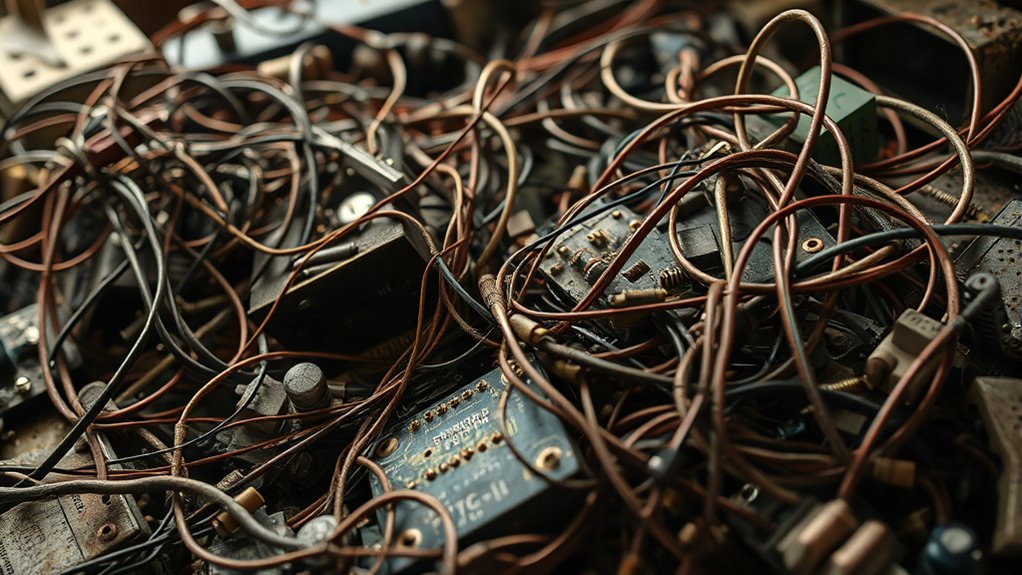

Yes, old electronics often contain small amounts of gold, along with silver, copper, and palladium, hidden inside circuit boards and components. You can recover these valuable metals through recycling, which helps reduce environmental harm caused by mining. Recycling also supports sustainability and cuts down on e-waste. If you want to understand how these metals are extracted and why recycling is so important, there’s more to learn about the truth behind scrap tech.
Key Takeaways
- Old electronics contain small amounts of gold, silver, copper, and palladium in their components.
- Gold can be efficiently recovered through recycling processes from circuit boards and electronic parts.
- Recycling electronics reduces the need for environmentally harmful mining of finite metal resources.
- Extracting precious metals from scrap tech supports sustainability and lowers energy consumption.
- Proper e-waste recycling prevents toxic substances from polluting soil and water environments.
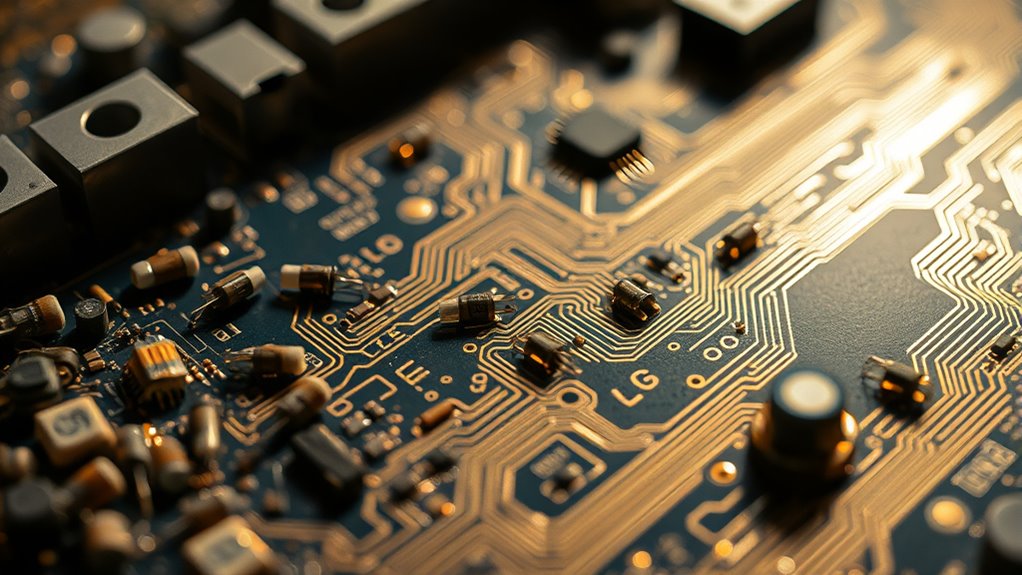
Old electronics are more than just outdated gadgets; they’re valuable sources of gold and other precious metals. When you think about recycling old devices, you’re not only reducing clutter but also revealing a hidden treasure trove of materials. Many electronic components contain tiny amounts of gold, silver, copper, and palladium, which can be recovered and reused. This process of recycling benefits everyone because it conserves natural resources and minimizes the need to mine new materials, which can be environmentally destructive. By reprocessing scrap tech, you actively contribute to lowering the environmental impact of electronic waste.
The minerals and metals inside old electronics are finite resources, and extracting them through traditional mining takes a toll on the environment—causing habitat destruction, water pollution, and high energy consumption. When you recycle gadgets instead of tossing them in the trash, you help reduce this strain. Recycling benefits extend beyond resource conservation; it also decreases the amount of e-waste ending up in landfills, where toxic substances like lead and mercury can leach into soil and water. Proper disposal and recycling prevent this environmental hazard, making your actions impactful for the planet.
You might wonder if it’s worth the effort to dismantle and recycle old electronics. The answer is yes. The process of recovering precious metals is efficient and increasingly accessible thanks to advanced recycling technologies. Small amounts of gold found in circuit boards can be extracted and refined into new products, reducing the demand for virgin mining. Plus, recycling tech helps curb the energy-intensive processes involved in mining and refining raw materials. This makes your decision to recycle not just environmentally responsible, but also economically sensible, as it supports sustainable practices and reduces waste.
Recycling precious metals from electronics is efficient, accessible, and reduces the need for environmentally harmful mining.
Furthermore, recycling benefits include lowering greenhouse gas emissions associated with manufacturing new electronic components. When you choose to recycle your old devices, you’re helping to reduce the carbon footprint linked to resource extraction and processing. It’s a straightforward way to make a positive impact on climate change, especially considering how fast electronics become obsolete. Proper e-waste management is essential for protecting ecosystems and human health, especially since hazardous substances can be released if electronics are improperly disposed of.
In essence, old electronics are a goldmine of valuable materials that can be reclaimed through responsible recycling. Your efforts in recycling contribute to a more sustainable world by conserving resources, reducing environmental impact, and minimizing toxic waste. Recycling also plays a critical role in reducing environmental damage caused by mining and waste disposal. Instead of throwing away that outdated smartphone or broken computer, think of it as an opportunity to recover precious metals and help protect the environment for future generations.
Top picks for "gold electronic truth"
Open Amazon search results for this keyword.
As an affiliate, we earn on qualifying purchases.
Frequently Asked Questions
How Much Gold Is Typically Found in a Single Old Smartphone?
You’ll typically find about 0.034 grams of gold in a single old smartphone. The gold purity in electronics is usually around 99.9%, making it highly valuable for recycling. However, your recycling efficiency can vary depending on your equipment and technique. Carefully extracting this tiny amount requires precision, but it’s worth it since even small quantities of gold contribute to sustainable reuse and reduce the need for new mining.
Are There Safe Methods to Extract Gold From Electronics at Home?
Yes, you can try DIY safety methods to extract gold from electronics at home, but be cautious. Use chemical alternatives like aqua regia or nitric acid carefully, or consider safer options like gold recovery kits designed for hobbyists. Always wear protective gear, work in well-ventilated areas, and follow instructions closely. Remember, safety comes first—if you’re unsure, it’s best to consult professionals or explore alternative, less hazardous methods.
Is It Cost-Effective to Recycle Gold From Outdated Devices?
Recycling gold from outdated devices can be cost-effective if you focus on battery recycling and circuit board recovery. You’ll save money by extracting valuable metals rather than buying new components. However, the process requires proper equipment and safety precautions. If you’re willing to invest time and effort, recycling gold from electronics can offer a worthwhile return, especially when dealing with large quantities or valuable devices.
What Environmental Risks Are Associated With Electronic Gold Recovery?
Think of electronic gold recovery like walking a tightrope—you must balance environmental safety carefully. You face chemical hazards from toxic substances like cyanide and acids, which can cause serious pollution risks if mishandled. Improper disposal or accidental leaks can contaminate water and soil, harming ecosystems and human health. Staying vigilant, using proper safety gear, and following regulations help you mitigate these environmental risks and protect the planet while recycling gold.
Which Types of Electronics Contain the Highest Gold Concentrations?
You’ll find the highest gold concentrations in circuit boards, especially those with gold plating techniques like immersion or electroless plating. These boards, used in computers, smartphones, and high-end electronics, contain thin but valuable layers of gold. The gold’s primary purpose is to guarantee reliable electrical connections. So, when you’re recycling or salvaging, focus on these components for the most valuable gold recovery.
Conclusion
So, next time you’re tossing out that vintage gadget, remember—there’s still a chance it holds some gold beneath its worn exterior. Like a hidden treasure chest from a pirate’s tale, old electronics contain precious metals waiting to be reclaimed. Don’t be a digital damsel in distress; instead, embrace the ancient wisdom of recycling. After all, even in this modern age, a little bit of gold can still be found in the most unexpected places.