In the 90s, you experienced the thrill of dial-up modems connecting you to the internet with slow, screeching sounds, while PalmPilots became your personal organizers. Y2K gadgets sparked both excitement and anxiety about the future. These innovations defined a generation’s tech culture and introduced tools we still appreciate today. If you want to explore more about these nostalgic gadgets and their impact, you’ll find plenty of fascinating details ahead.
Key Takeaways
- Dial-up modems connected homes to the internet with slow, screeching connections, marking the beginning of online communication.
- PalmPilots revolutionized personal organization with portable digital calendars and contacts before smartphones took over.
- Y2K gadgets included quirky electronic devices designed to handle the millennium bug, reflecting tech anxieties and innovations.
- Nostalgic 90s tech often featured limited storage, like floppy disks, fostering early data management habits.
- These devices symbolize a transformative era of digital exploration and the foundation of modern technology.
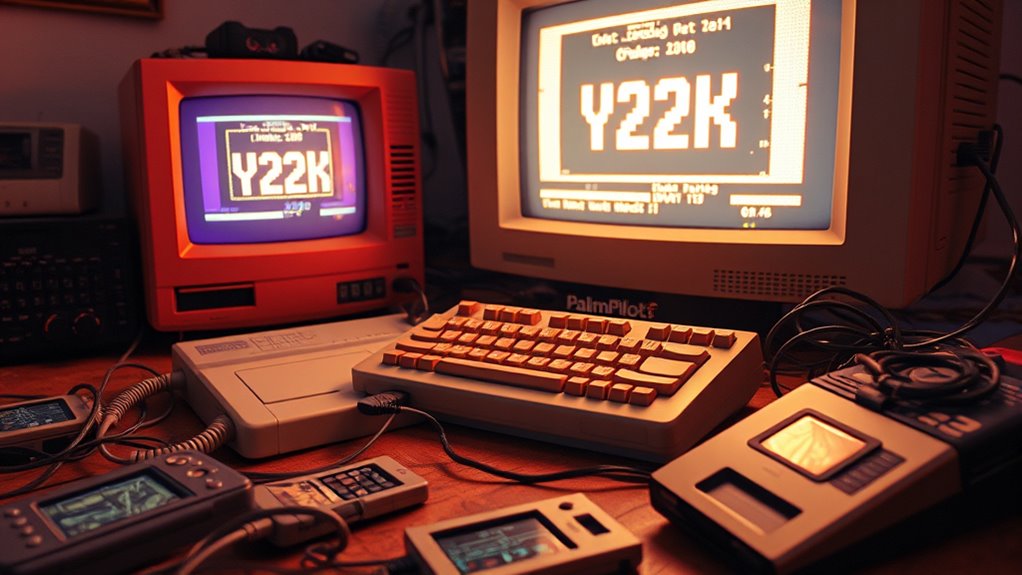
The 1990s marked a pivotal era in technology, shaping the gadgets and innovations that many still cherish today. During this time, the internet transformed from a niche tool into a household staple, and you were likely glued to your dial-up connection, ardently waiting for your favorite websites to load. As you navigated this early digital landscape, internet chatrooms became the social hubs where you could connect with strangers or friends in real time. These chatrooms offered a sense of community and immediacy, allowing you to share ideas, jokes, or even vent about your day. They were the precursor to social media, and for many, they fostered friendships that lasted beyond the screen.
The 90s internet revolutionized communication with chatrooms that fostered lasting friendships and community.
At the same time, storage technology was evolving rapidly, but floppy disks remained a staple in your tech arsenal. You probably remember saving important files or game data on these small, square disks, which were the go-to for portable storage. Despite their limited capacity—usually just 1.44MB—you relied on floppy disks because they were convenient and compatible with most computers. You might have carried a stack of them to school or work, swapping files back and forth with friends or colleagues. The floppy disk’s distinctive click when inserted became a familiar sound, a small but significant part of your daily routine.
The 90s also marked the beginning of the internet’s social aspect, with chatrooms providing a platform for interaction that was both exciting and sometimes unpredictable. You could meet new people, engage in discussions, or even explore niche interests with like-minded individuals. This era made digital communication more personal and immediate, setting the stage for the online communities that would follow. Additionally, the advent of home computers made it easier to access and utilize these online platforms from the comfort of your own space. At the same time, storage limitations meant you had to be selective about what you saved, often deleting files to free up space for new ones. The reliance on floppy disks shaped how you managed data, teaching you about organization and the importance of file backups—lessons that still resonate today.
In essence, the 90s were a time of technological exploration and discovery. You experienced firsthand how the internet connected you to others through chatrooms, and how floppy disks kept your digital world portable. These innovations, though now considered nostalgic relics, laid the groundwork for today’s digital connectivity and data storage solutions. They remind you of a time when technology was simpler, yet full of potential, sparking your curiosity and setting the foundation for future advancements.
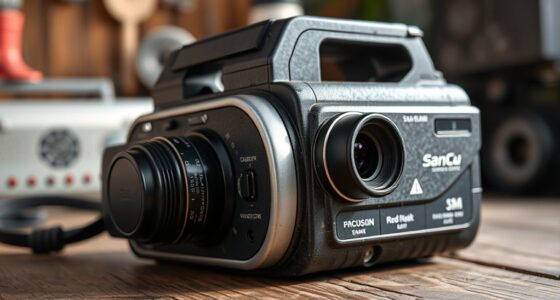
90s dial-up modem replica
As an affiliate, we earn on qualifying purchases.
As an affiliate, we earn on qualifying purchases.
Frequently Asked Questions
How Did Dial-Up Modems Influence Internet Accessibility?
Dial-up modems made internet access more widespread by connecting you to online content, though the internet speed was slow and connection reliability often fluctuated. You had to wait longer for pages to load and experienced frequent disconnections. Despite these limitations, dial-up modems laid the foundation for future broadband technology, gradually improving internet accessibility and encouraging more people to explore the online world.
What Were the Most Popular Palmpilot Models?
Think of the PalmPilot as your trusty sidekick in the digital age. The most popular models, like the PalmPilot 1000 and Palm m500, featured stylus input that felt like wielding a magic wand over tiny screens. Their impressive battery life kept you connected longer, making them indispensable for busy schedules. These devices revolutionized organization, turning chaos into clarity, and remain iconic symbols of early handheld innovation.
How Did Y2K Gadgets Address the Millennium Bug?
Y2K gadgets addressed the millennium bug through y2k compliance updates, ensuring they could handle the date change from 1999 to 2000. You’d find manufacturers releasing firmware patches and hardware revisions to enhance gadget preparedness. This proactive approach helped prevent system failures, ensuring your devices functioned correctly when the clock rolled over. By updating your gadgets, you minimized risks, making sure technology stayed reliable during the Y2K shift.
Were There Any Notable Failures of 90S Tech?
You might recall some 90s tech hiccups, like software crashes or hardware recalls, that weren’t as smooth as planned. These issues served as gentle reminders that even the most ambitious gadgets weren’t flawless. While not major failures, they highlighted the growing pains of early technology. These moments paved the way for more reliable devices, helping you enjoy tech innovations with greater confidence over time.
How Did 90S Tech Shape Today’s Devices?
You see, 90s tech laid the groundwork for today’s devices by introducing analog nostalgia and vintage interfaces that still influence design. Early innovations in user interfaces and connectivity paved the way for sleek smartphones and smart gadgets. You now benefit from established standards and familiar interactions, making modern tech more intuitive. In summary, the 90s shaped the digital landscape, blending nostalgia with cutting-edge advancements to create user-friendly, innovative devices.

The First Week with My New Digital Organizer: A Very Basic Guide to Palm OS PDAs (Capital First Week)
As an affiliate, we earn on qualifying purchases.
As an affiliate, we earn on qualifying purchases.
Conclusion
As you close your eyes, you can still hear the screech of dial-up connecting and feel the cold glow of a Palm Pilot in your hand. Those Y2K gadgets, once cutting-edge, now sit like nostalgic relics, whispering stories of a simpler, tech-filled era. The glow of CRT screens and the hum of modems remind you how far we’ve come—and how those tiny devices shaped our digital dreams. Nostalgia isn’t just a memory; it’s a window to our tech past.

HOTU Mini Keychain Digital Camera, Y2K Pocket-Size Mini Camera, 2MP 1080P Small Camera with 32GB Card, Video Recorder with Long Battery Life for Travel, Party and Vlog (Rose Gold)
【Tiny & Lightweight, Take It Anywhere】 Weighing just 19 grams and measuring only 1.66×0.59×1.12 inches, HOTU mini keychain…
As an affiliate, we earn on qualifying purchases.
As an affiliate, we earn on qualifying purchases.

Rugged Protective Carrying Case for 3.5" Floppy Disks – Holds 25 Disks
Handy: Effortlessly store and organize your disk collection.
As an affiliate, we earn on qualifying purchases.
As an affiliate, we earn on qualifying purchases.