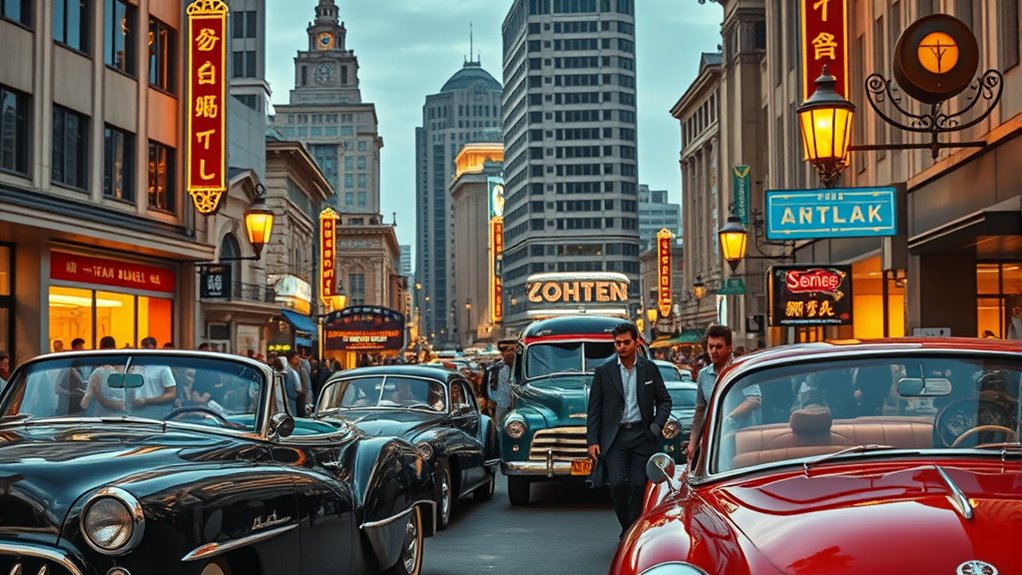

Yes, mid-century modern and steampunk can coexist beautifully in a space, creating a unique, eclectic look. You can combine sleek, minimalist furniture with industrial accents like gears, metal fixtures, and vintage-inspired details. Balancing clean lines with textured textures and bold colors helps blend these contrasting styles seamlessly. If you continue exploring, you’ll discover how smart pairing, accessories, and decor choices can bring harmony to this dynamic fusion.
Key Takeaways
- Both styles emphasize storytelling through design, allowing for creative blending of their unique elements and aesthetics.
- Combining sleek mid-century furniture with industrial steampunk accents creates a visually striking contrast.
- Strategic use of materials, textures, and color palettes can seamlessly integrate the two styles for a cohesive look.
- Balancing minimalism with industrial details enables coexistence without overwhelming the space.
- Eclectic interiors that incorporate both styles reflect personality, innovation, and a personalized approach to retro design.

Mid-Century Modern Furniture
As an affiliate, we earn on qualifying purchases.
As an affiliate, we earn on qualifying purchases.
Understanding the Core Aesthetics of Mid-Century Modern and Steampunk
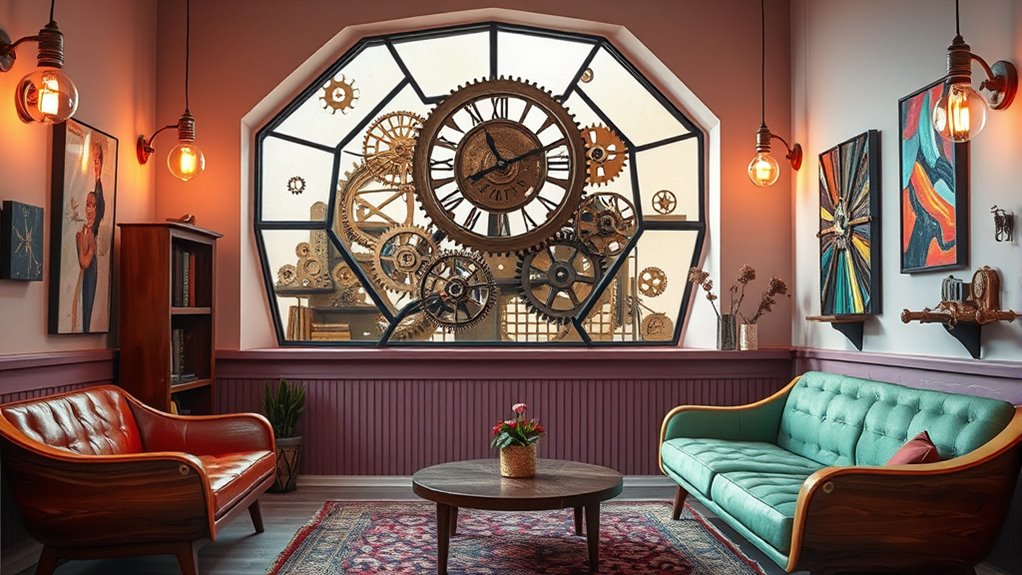
While mid-century modern and steampunk styles seem worlds apart, they share a fascination with bold design and craftsmanship. Understanding their core aesthetics involves exploring their historical influences and cultural symbolism. Mid-century modern draws inspiration from post-war optimism, embracing sleek lines, functional forms, and minimal ornamentation rooted in the 1950s and 60s. It symbolizes progress, innovation, and simplicity. Additionally, mid-century modern often incorporates natural materials that emphasize organic forms and textures, further connecting it to its era’s emphasis on authenticity. Steampunk, on the other hand, channels Victorian-era science fiction, blending 19th-century industrial technology with fantasy. Its cultural symbolism reflects a love for craftsmanship, ingenuity, and a nostalgic view of the past’s technological marvels. Both styles emphasize storytelling through design—mid-century modern with its clean elegance and steampunk with its intricate, mechanical details. Recognizing these influences helps you appreciate how each style celebrates craftsmanship and cultural identity. Additionally, design harmony can be achieved by thoughtfully combining elements from both styles, allowing for a cohesive and personalized aesthetic. Incorporating aesthetic principles from both can lead to innovative and visually compelling spaces that honor tradition while embracing modernity.

Novabright Steampunk Industrial Gear Train Figurine, Vintage Copper Colored Wooden Gear Wheel Desktop Ornament, Retro Mechanical Steam Punk Gift for Living Room, Bedroom & Office Bookshelf Decor
Steampunk Core Design and Decor Purpose: this wooden gear train figurine features vintage copper coloring and retro mechanical…
As an affiliate, we earn on qualifying purchases.
As an affiliate, we earn on qualifying purchases.
Key Elements and Materials in Each Style
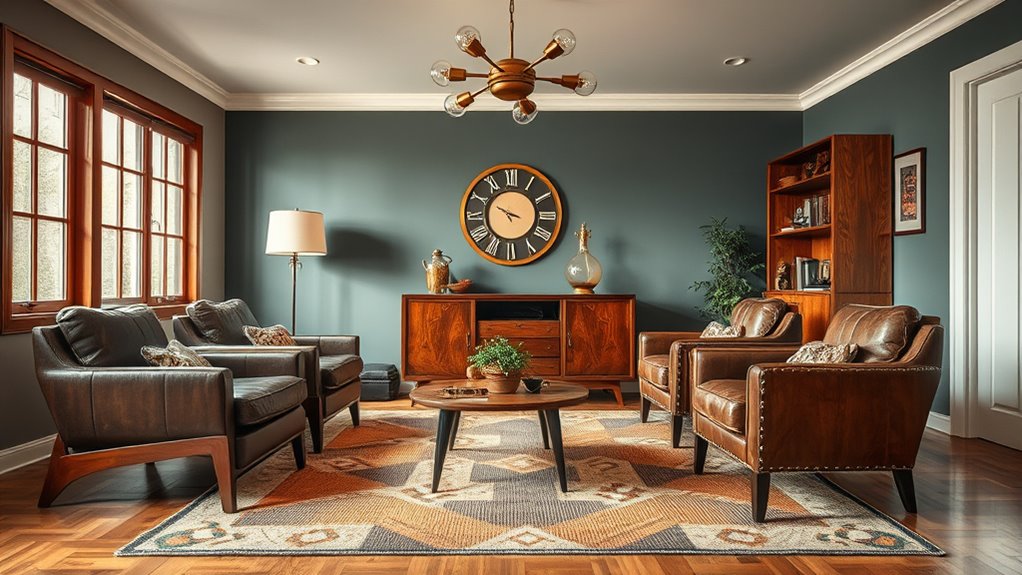
Both mid-century modern and steampunk styles rely heavily on distinctive key elements and materials that define their unique looks. In mid-century modern design, clean lines, organic shapes, and warm wood tones create a streamlined aesthetic. You’ll notice the use of sleek furniture, minimalist forms, and sometimes vintage fabrics like antique textiles that add warmth and texture. Additionally, the use of authentic materials ensures that the designs are both genuine and durable, enhancing the overall aesthetic. Incorporating sustainable or reclaimed materials can also elevate the authenticity and environmental friendliness of mid-century decor. To deepen the connection with nature, designers often incorporate natural textures such as leather, wool, or linen, which contribute to the warm, inviting atmosphere. Steampunk, on the other hand, emphasizes industrial materials such as exposed brass, copper, and reclaimed wood. You’ll find intricate gears, pipes, and antique textiles incorporated into upholstery or decor, blending old-world charm with a futuristic vibe. Futuristic gadgets are also essential, especially in steampunk, where technology is often reimagined with Victorian-era flair. Together, these elements set the foundation for each style’s distinct personality.

6 Pcs Wooden Steampunk Wall Decor Steampunk Gears Wheel Industrial Wall Decor 10 Inch Vintage Wooden Gear Combination Farmhouse Hanging Wall Decor for Christmas Home Wall Bar Decor Art Craft
What You Will Receive: what you will receive are 6 pieces of steampunk style gear wheel wall decorations,…
As an affiliate, we earn on qualifying purchases.
As an affiliate, we earn on qualifying purchases.
Challenges of Combining Minimalism With Industrial Ornamentalism
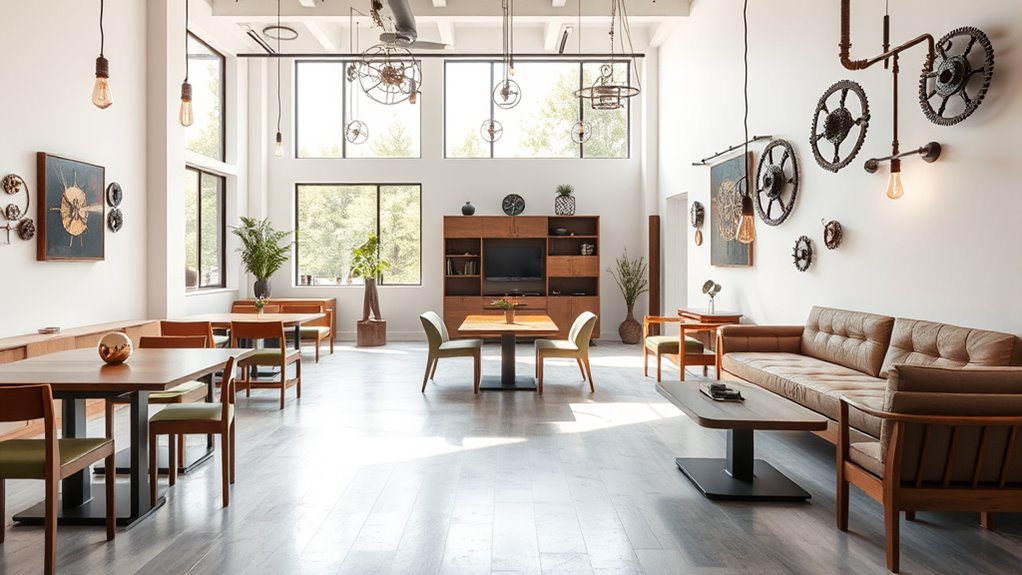
Combining minimalism with industrial ornamentalism presents a unique challenge because these styles have fundamentally different priorities. Minimalism emphasizes clean lines and simplicity, while industrial ornamentalism thrives on intricate details and textured materials. Achieving furniture harmony can be difficult, as streamlined pieces may clash with ornate industrial elements. Lighting techniques also pose a challenge; minimalist lighting tends to be understated, whereas industrial styles favor bold, statement fixtures. To blend these styles effectively, consider:
- Selecting furniture with simple silhouettes that incorporate industrial materials
- Using lighting techniques that balance understated and bold fixtures
- Incorporating decorative elements sparingly to avoid clutter
- Maintaining a neutral color palette to unify contrasting textures
- Ensuring that ornamentation doesn’t overpower the minimalist foundation
- Incorporate natural materials such as wood or metal accents, which can bridge the gap between minimalism and industrial design effectively. Additionally, understanding the importance of design principles like balance and contrast can help create a cohesive space. Exploring how decorative layering can add depth without overwhelming the minimalist aesthetic is also beneficial. Incorporating texture contrast can further enhance visual interest while maintaining harmony between styles. Paying attention to regional influences can also help tailor the design to specific aesthetic preferences and environmental contexts.

vidaXL Vintage Cabinet Multicolor Reclaimed Solid Wood Compact Durable
【Stable & Sustainable Construction】: Crafted from reclaimed wood, this end table offers exceptional stability and durability while supporting…
As an affiliate, we earn on qualifying purchases.
As an affiliate, we earn on qualifying purchases.
Color Palettes and Texture Pairings for Fusion Designs
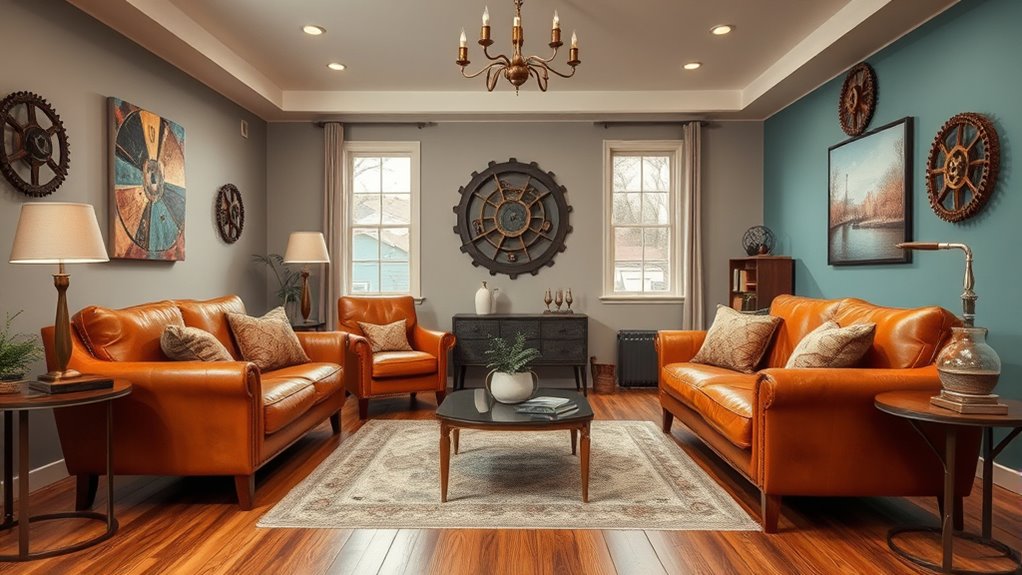
Start by experimenting with vintage hues paired with metallic accents to create a lively, nostalgic feel. Incorporate contrasting textures to add depth and keep the space visually interesting. Don’t shy away from bold color combinations and patterns, which can make your fusion design truly stand out. Additionally, integrating mechanical elements can enhance the steampunk aesthetic while complementing mid-century styles. Using self watering planters with vintage-inspired designs can subtly tie together the eclectic mix of styles and ensure your plants remain thriving without extra effort. Understanding symbolism in design choices can also deepen the thematic cohesion of your space, especially when considering the color palette and the emotional responses they evoke. Recognizing the personality traits expressed through your decor can help create a space that truly reflects your style and personality.
Vintage Hues With Metallic Accents
Vintage hues and metallic accents create a striking fusion that breathes new life into classic design. By pairing soft, retro-inspired colors with shiny metallic finishes, you enhance visual interest through bold color contrast. These combinations add sophistication and a touch of industrial charm to your space. To achieve a seamless blend, consider:
- Warm gold or brass with muted pastels
- Cool silver or chrome paired with deep jewel tones
- Matte finishes contrasted with polished metallics
- Rusty copper accents against vintage teal or mustard
- Brushed nickel combined with soft beige or cream
Using metallic finishes strategically emphasizes vintage hues, creating focal points and highlighting specific areas. This approach helps you balance nostalgia with modern elegance, making your design both timeless and fresh. Incorporating visual contrast techniques can further elevate your fusion of styles and create captivating design accents. Additionally, exploring color harmony principles can help ensure your combinations feel cohesive and intentional.
Contrasting Textures for Depth
To create a sense of depth in your fusion designs, mixing contrasting textures is essential. You’ll want to focus on textural contrast to make each element stand out, adding visual interest. Combining smooth, polished surfaces with rough or tactile layering creates a dynamic interplay that invites touch and exploration. For example, pairing sleek mid-century furniture with rugged steampunk accents enhances the tactile experience. Use different materials—such as glossy metals, soft fabrics, and gritty woods—to emphasize contrast. This approach not only enriches the visual palette but also guides the eye through your space. By thoughtfully balancing different textures, you’ll craft a layered, multidimensional look that captures the essence of both styles while maintaining harmony.
Bold Color Combinations and Patterns
Bold color combinations and patterns are key to making your fusion designs stand out. They create visual interest and help blend mid-century and steampunk aesthetics seamlessly. When choosing your palette, consider pairing rich metallics with vibrant hues like mustard, teal, or deep reds. Use patterns and geometric motifs to add structure and rhythm to your space, mixing sharp lines with vintage-inspired prints. Experiment with contrasting textures alongside bold colors for a layered effect. Here are some ideas to get started:
- Combine brass accents with jewel-toned upholstery
- Use geometric motifs in wallpaper or rugs
- Mix matte and glossy finishes for depth
- Incorporate bold color combinations like orange and navy
- Add patterned curtains or cushions with vintage-inspired prints
These techniques will help you craft a striking, cohesive fusion design.
Incorporating Vintage Furniture and Modern Pieces

Mixing vintage furniture with modern pieces creates a unique and personalized look. You should choose items that complement each other’s style and scale, ensuring they work harmoniously together. Striking the right balance between aesthetic appeal and functionality helps your space feel both stylish and practical.
Blending Vintage and Modern
Blending vintage and modern pieces creates a dynamic and personalized space that reflects both history and current style. You can mix vintage typography posters with sleek, contemporary furniture to add character. Incorporate retro cooking tools into a modern kitchen for a nostalgic touch. Use vintage rugs or textiles alongside minimalist decor to balance old and new. Highlight vintage furniture with modern art or lighting to create focal points. Combining these elements keeps your space lively and unique, making each area a conversation piece. Remember, the key is to blend without overwhelming, so select vintage pieces that complement your modern aesthetic. This approach allows you to celebrate retro cooking, vintage typography, and other nostalgic touches while maintaining a fresh, current vibe.
Selecting Complementary Pieces
To create a harmonious combination of vintage furniture and modern pieces, it is vital to choose items that complement each other in style, color, and scale. Incorporate vintage jewelry-inspired accents, such as delicate necklaces or bold statement pieces, to add a touch of elegance without overwhelming the space. When selecting modern pieces, focus on industrial lighting fixtures—like exposed bulb pendants or metal sconces—that enhance the retro vibe while providing functional illumination. Balance is key: guarantee the vintage furniture’s intricate details don’t clash with sleek modern designs. Keep colors cohesive by mixing neutral tones with pops of vibrant hues. Ultimately, selecting complementary pieces involves thoughtful pairing to highlight each element’s unique charm while creating a unified, stylish environment.
Balancing Aesthetic and Function
Achieving a balance between aesthetic appeal and functionality is essential when combining vintage furniture with modern pieces. To do this effectively, consider how lighting fixtures can highlight your vintage items while adding modern brightness. Wall treatments, like textured wallpaper or sleek paint, can unify different styles without overwhelming the space. Keep these tips in mind:
- Choose lighting fixtures that blend vintage charm with contemporary design
- Use wall colors or treatments to create a cohesive background
- Incorporate modern storage solutions for practicality
- Select vintage furniture with updated, functional designs
- Balance decorative elements with clean, minimalist accents
How to Use Accessories and Decor to Bridge Styles
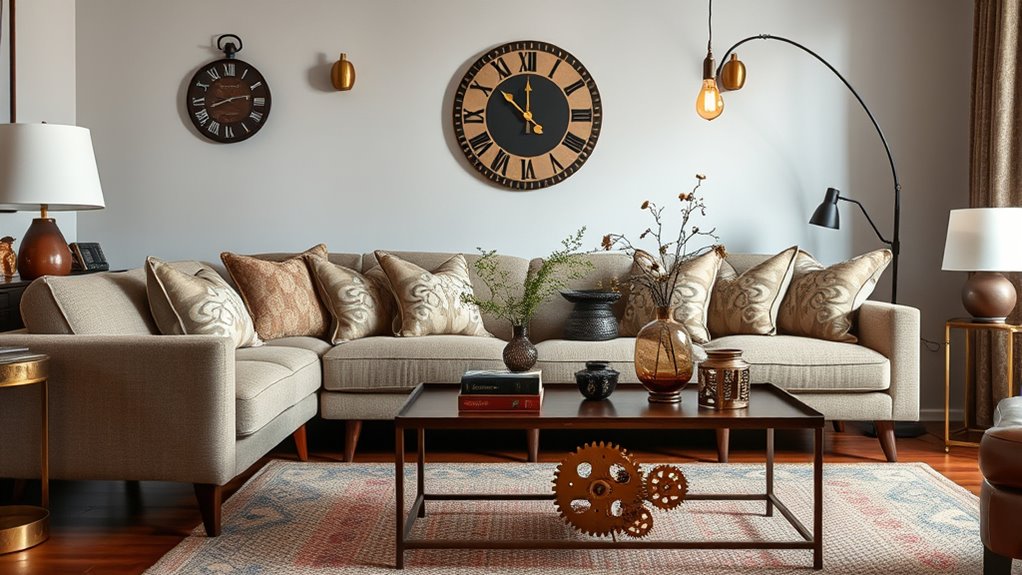
Accessories and decor are powerful tools for seamlessly connecting different styles in your space. To blend mid-century and steampunk, focus on statement lighting that combines vintage industrial elements with sleek, modern design. Use decorative textiles like patterned rugs or throw pillows that incorporate both retro patterns and steampunk-inspired textures, such as leather or metallic accents. These pieces create visual continuity and highlight shared design themes. Incorporate vintage clocks, brass fixtures, or Victorian-inspired knickknacks alongside minimalist furniture to reinforce the fusion. Keep color schemes cohesive, using warm metallic tones and muted palettes. By thoughtfully selecting accessories and decor, you can bridge the gap between styles, creating a harmonious space that feels both nostalgic and innovative.
Successful Real-Life Examples of Style Blending
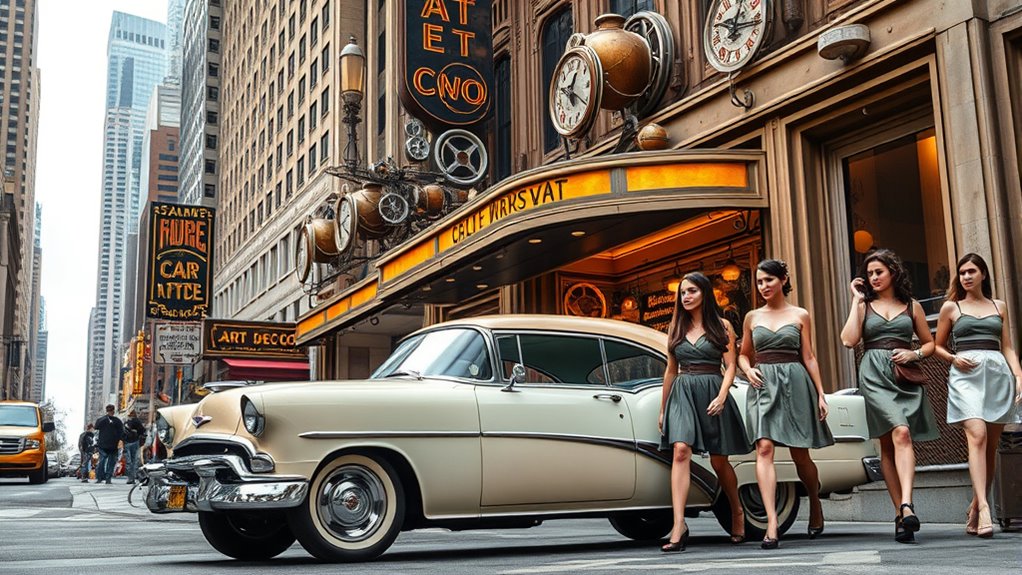
Many homeowners have successfully combined retro styles by thoughtfully mixing vintage and modern elements to create cohesive, visually striking spaces. These real-life examples showcase how eclectic home decor can seamlessly blend mid-century furniture with steampunk accents, or incorporate vintage fashion trends into contemporary settings. Such spaces often feature unexpected combinations that highlight personality and creativity.
Consider these successful blends:
- Using vintage posters alongside sleek modern furniture
- Incorporating antique gears into minimalist decor
- Mixing retro textiles with contemporary patterns
- Displaying vintage accessories with futuristic lighting
- Combining mid-century pieces with steampunk-inspired decor
Tips for Personalizing a Space With Both Themes

To make a retro-modern blend truly feel like your own, focus on infusing personal touches that reflect your personality and interests. Use artificial lighting to highlight key features, like vintage-inspired lamps or steampunk fixtures, adding warmth and ambiance. Incorporate wall coverings such as retro wallpaper or textured steampunk-inspired panels to create visual interest and set the mood. Mix in personal artifacts—photos, artwork, or collectibles—that resonate with both themes. Keep a balanced color palette to unify different elements without overwhelming the space. Small details like unique hardware, vintage textiles, or custom wall art can also personalize the environment. By thoughtfully combining these elements, you craft a space that’s uniquely yours while celebrating both mid-century and steampunk influences.
Future Trends in Retro Style Integration

As designers continue to blend retro and modern styles, emerging trends are making this fusion even more dynamic and personalized. Expect to see increased focus on furniture craftsmanship, emphasizing unique, handcrafted pieces that highlight vintage techniques with a contemporary twist. Lighting fixtures will play a pivotal role, with statement designs combining industrial steampunk elements and sleek mid-century silhouettes. Customization will become key, allowing you to tailor pieces that reflect your unique style. Sustainable sourcing and eco-friendly materials will also gain importance, supporting environmentally conscious retro integration. Additionally, tech-savvy designs incorporating smart lighting and adaptable furniture will enhance functionality without sacrificing aesthetic appeal. These trends will make retro styles more versatile, expressive, and relevant for future living spaces.
Frequently Asked Questions
Can Retro Styles Influence Modern Sustainable Design Practices?
Yes, retro styles can influence modern sustainable design practices. You can incorporate vintage fashion and nostalgic decor to reduce waste and promote longevity. By repurposing classic pieces and emphasizing timeless aesthetics, you create a more eco-friendly approach. This encourages mindful consumption, celebrates craftsmanship, and blends the charm of retro with sustainable values, helping you craft spaces and fashion that are both stylish and environmentally conscious.
How Does Lighting Impact the Fusion of Mid-Century and Steampunk Aesthetics?
Lighting plays a pivotal role in blending mid-century and steampunk styles. You can create ambient illumination using vintage fixtures like Edison bulbs or brass sconces, which highlight the unique textures and details of both aesthetics. Proper lighting accentuates the warm, nostalgic feel of mid-century design while emphasizing the industrial, mechanical elements of steampunk. This fusion results in a cohesive, inviting space that celebrates both retro elegance and steampunk’s inventive charm.
Are There Specific Architectural Features That Facilitate Style Blending?
You can blend styles with architectural ornamentation that highlights both eras, like ornate brass fixtures alongside sleek mid-century lines. Material juxtaposition plays a key role—combine vintage wood or metal with modern plastics or glass. You might incorporate exposed pipes or gears as decorative elements, creating a bridge between the styles. These features make your space feel cohesive, dynamic, and uniquely your own by emphasizing contrasts and connections.
What Cultural Influences Shape the Evolution of These Retro Styles?
You’ll find that historical context and artistic movements heavily influence these retro styles. Mid-century design reflects post-war optimism and modernist ideals, while steampunk draws from Victorian-era innovation and fantasy. These cultural influences shape their aesthetic choices, blending vintage technology with futuristic visions. As you combine these styles, consider how their origins inform your creative expression, making your space or design uniquely rich in history and artistic evolution.
How Can DIY Projects Enhance the Integration of Both Themes?
You can effortlessly integrate both themes by using DIY techniques that prioritize creative material choices. For instance, repurposing vintage mid-century furniture with steampunk accents like brass gears or leather details makes the blend seamless. Don’t worry about perfection; embracing imperfect, handcrafted elements adds charm. Your hands-on approach lets you customize pieces, ensuring a unique fusion of mid-century sleekness and steampunk industrial flair that truly reflects your style.
Conclusion
So, go ahead—mix your mid-century sleekness with steampunk’s clockwork charm. Who says you can’t have a minimalist space with a touch of Victorian whimsy? Just remember, blending styles is like dating: it’s all about the right balance, a little patience, and maybe some vintage goggles. Embrace the chaos, and soon your home will be the chicest steampunk time capsule this side of the 20th century. Happy decorating!