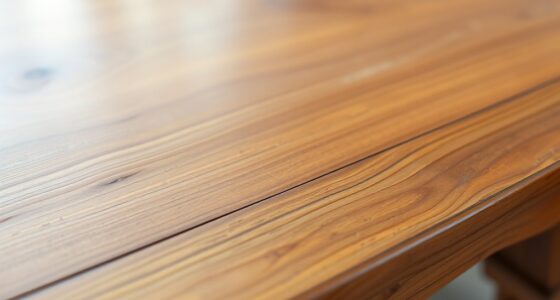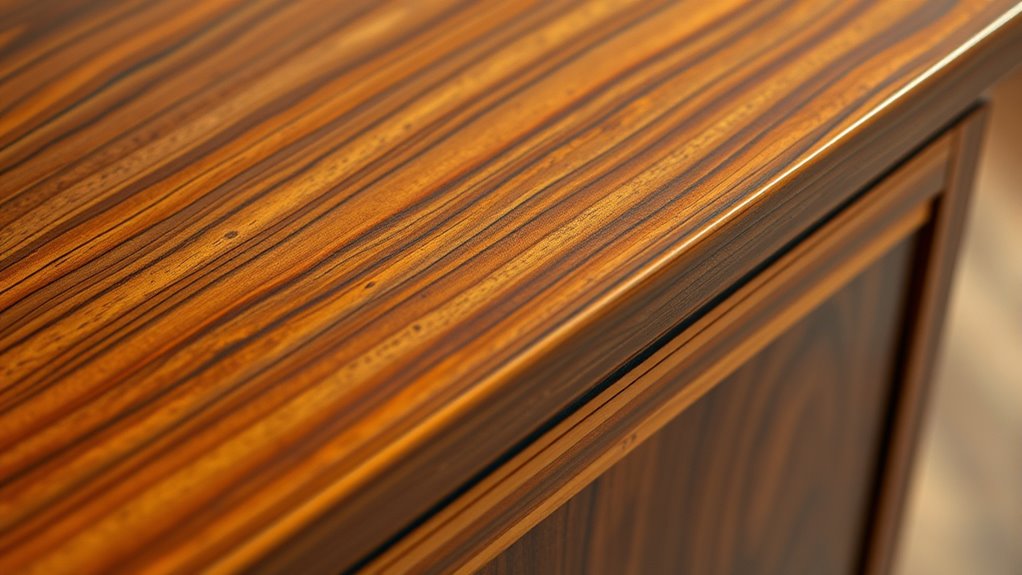

Vintage furniture often features teak and walnut, two highly prized woods. Teak is durable, with natural oils that resist moisture and pests, making it ideal for lasting pieces. Walnut adds rich grain patterns and elegance, though it’s softer. To keep your furniture looking its best, clean gently, use appropriate oils or polishes, and avoid harsh chemicals. Understanding these woods helps you care for your pieces properly. Keep exploring for expert tips to preserve their beauty over time.
Key Takeaways
- Teak and walnut are popular vintage furniture woods, valued for durability and aesthetic appeal.
- Teak’s natural oils make it resistant to moisture and pests, ideal for long-lasting furniture.
- Walnut features distinctive grain patterns, adding elegance, but is softer than teak, requiring gentle care.
- Restoration involves cleaning, polishing, and refinishing, using techniques suited to each wood type to preserve authenticity.
- Proper maintenance includes regular cleaning with non-abrasive products and applying suitable oils or polishes to sustain their finish.
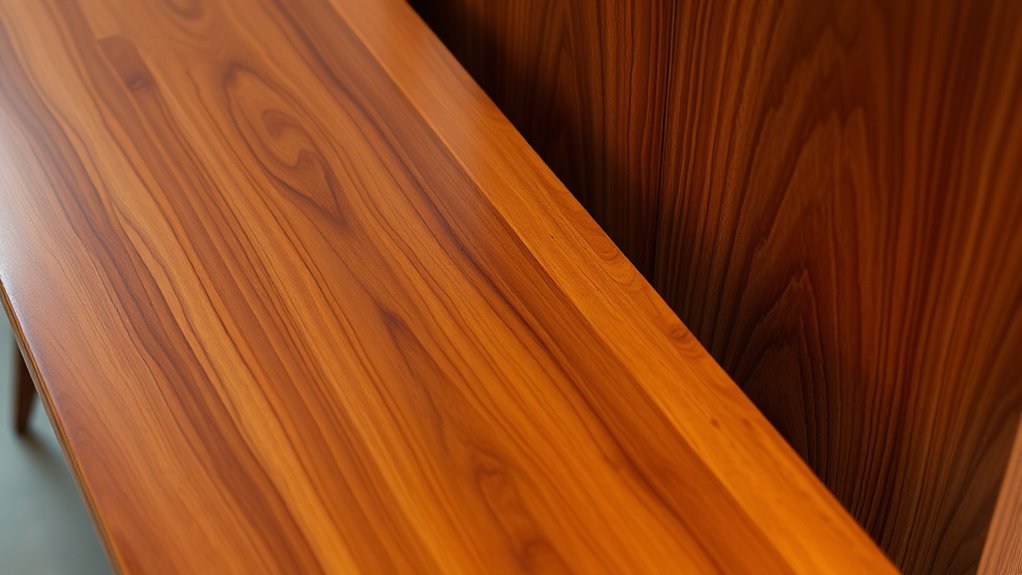
Have you ever wondered what kinds of wood give vintage furniture its unique charm and durability? The answer lies in the types of wood used and how they’ve stood the test of time. Vintage furniture often features woods like teak and walnut, prized for their rich appearance and strong characteristics. Understanding these woods can help you appreciate their historical significance and guide you in proper maintenance and restoration. When it comes to restoration techniques, knowing the specific wood type is vital. For instance, teak’s natural oils make it highly resistant to moisture and pests, but over time, its finish can fade or develop surface scratches. Restoration might involve gentle cleaning, polishing with suitable oils, or refinishing with finishes that respect its original look. Walnut, on the other hand, is softer but offers beautiful grain patterns that add to its vintage appeal. Restoring walnut involves careful sanding and applying stain or varnish that highlights its natural beauty without obscuring the grain. Recognizing the historical significance of these woods can deepen your appreciation for vintage furniture. Teak has been used extensively in shipbuilding and high-end furniture in Asia for centuries, symbolizing durability and luxury. Walnut, particularly American black walnut, became popular in North America during the 18th and 19th centuries, representing craftsmanship and elegance. Knowing these origins can influence your approach to care, ensuring you preserve their authentic charm. Proper maintenance begins with cleaning regularly using gentle, non-abrasive cleaners suited for the specific wood type. Avoid harsh chemicals that could strip the finish or damage the wood fibers. For teak, applying natural oils like lemon oil or beeswax can help maintain its luster, while walnut benefits from polishing with a soft cloth and a suitable furniture polish. When it comes to repairs, always consider the wood’s age and historical value. For instance, replacing missing veneer on vintage teak should be done with matching pieces to retain its authenticity. Similarly, refinishing walnut furniture should aim to preserve the original patina rather than stripping it completely. By understanding the properties and history of woods like teak and walnut, you can make informed decisions about restoration and care, ensuring your vintage pieces remain stunning and functional for generations. Recognizing wood properties and historical context can help you choose the best restoration techniques for your vintage furniture. Whether you’re a collector or simply love the character of vintage furniture, recognizing the importance of these woods enhances your ability to maintain their beauty and integrity over time.
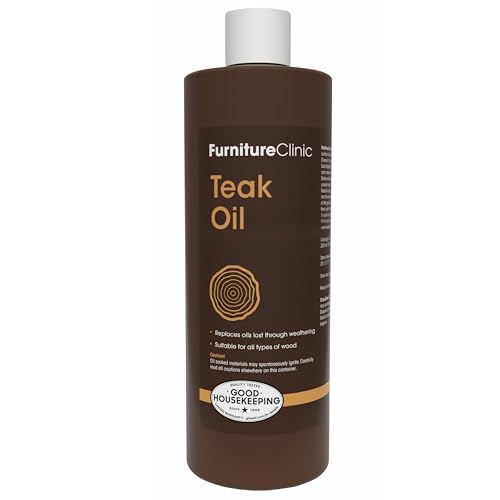
Furniture Clinic Teak Oil | Wood Oil Protects & Cleans Outdoor & Indoor Furniture, Boats, Shower Benches | Restore & Protect Wood, Prevent Drying & Other Damage | Natural Matte Finish | 17oz/500ml
ENHANCES THE BEAUTY OF THE WOOD: Teak Oil restores the beauty of grey, old and weathered teak furniture…
As an affiliate, we earn on qualifying purchases.
As an affiliate, we earn on qualifying purchases.
Frequently Asked Questions
How Can I Identify Different Wood Types in Vintage Furniture?
To identify different wood types in vintage furniture, look closely at grain patterns and color variations. Teak usually has a straight grain with a golden-brown hue that darkens with age. Walnut features a rich, deep brown color with a fine, straight or wavy grain. Keep an eye on the texture and weight—teak is dense and oily, while walnut feels smooth and solid. These clues help you distinguish between wood types.
Are Vintage Wood Finishes More Durable Than Modern Ones?
You might think vintage wood finishes are tougher, but they can be just as delicate as modern ones. While older finishes often feature thicker coats, they’re more prone to wear over time, especially if exposed to sunlight or moisture. The wood grain and finish sheen influence durability; a well-maintained vintage piece with a rich finish can last decades. However, modern finishes often provide a more uniform, resilient shield against daily wear.
What Common Pests Threaten Vintage Wood Furniture?
You should be aware that common pests like woodboring beetles, termites, and carpet beetles threaten vintage wood furniture. To prevent infestations, practice pest prevention by keeping furniture clean and dry, and use effective wood treatment methods such as applying insecticides or sealing cracks. Regular inspections help catch issues early, ensuring your vintage pieces stay protected and beautiful for years to come.
Can I Restore Vintage Wood to Its Original Color?
Yes, you can restore vintage wood to its original color by addressing wood discoloration with proper polishing techniques. Think of it like giving your furniture a facelift—removing dullness to reveal its former glory. Use gentle cleaners and specialized polishes designed for your wood type, and apply evenly. Patience is key, as restoring involves careful steps to bring out the natural beauty without damaging the piece.
What Are Eco-Friendly Cleaning Options for Vintage Wood Furniture?
You can keep your vintage wood furniture eco-friendly by using natural cleaning options like a mixture of mild soap and water or vinegar and water for gentle cleaning. Avoid harsh chemicals and opt for eco-friendly polishes made from natural ingredients to enhance the wood’s finish. Regular dusting and avoiding excess moisture help preserve its beauty. This approach keeps your furniture clean and eco-conscious, protecting both your piece and the environment.

HOWARD – Restor-A-Finish: Restore Your Walnut Wood Finishes Repair Scratches, Eliminate Stains, White Heat or Water Rings and More. Safe on Furniture, Trim, and All Finished Wood. Size: 8 Fl oz
Restor-A-Finish is a unique finish-penetrating formula that restores wood finishes while blending out minor scratches, blemishes and abrasions
As an affiliate, we earn on qualifying purchases.
As an affiliate, we earn on qualifying purchases.
Conclusion
Understanding the wood types in vintage furniture is like opening a treasure chest of history and craftsmanship. Teak and walnut each bring unique beauty and character, but they also require proper care to keep their charm alive. Think of your vintage pieces as living stories—nurture them well, and they’ll continue to grace your home with timeless elegance. With a little love and attention, you’ll guarantee these wooden treasures stand the test of time, shining like gems in your collection.

Furniture Clinic Leather Easy Restoration Kit | with Leather Recoloring Balm, Cleaner, Sponge, and Cloth | Leather Repair Kit for Scratched and Faded Furniture (Dark Brown)
TESTED PRODUCT QUALITY: This product has been independently evaluated for product performance, packaging integrity, and label accuracy to…
As an affiliate, we earn on qualifying purchases.
As an affiliate, we earn on qualifying purchases.

Weiman Cabinet and Wood Cleaner, Shine, Clean and Protect Spray – For Wood Cabinets, Furniture, Tables, Baseboards, Trim and more, 16 oz, 2 PACK with MicroFiber Towel
FORMULATED FOR YOUR MOST CHERISHED WOOD FURNITURE PIECES & CABINETS: Weiman Cabinet & Wood Clean & Shine cleans…
As an affiliate, we earn on qualifying purchases.
As an affiliate, we earn on qualifying purchases.