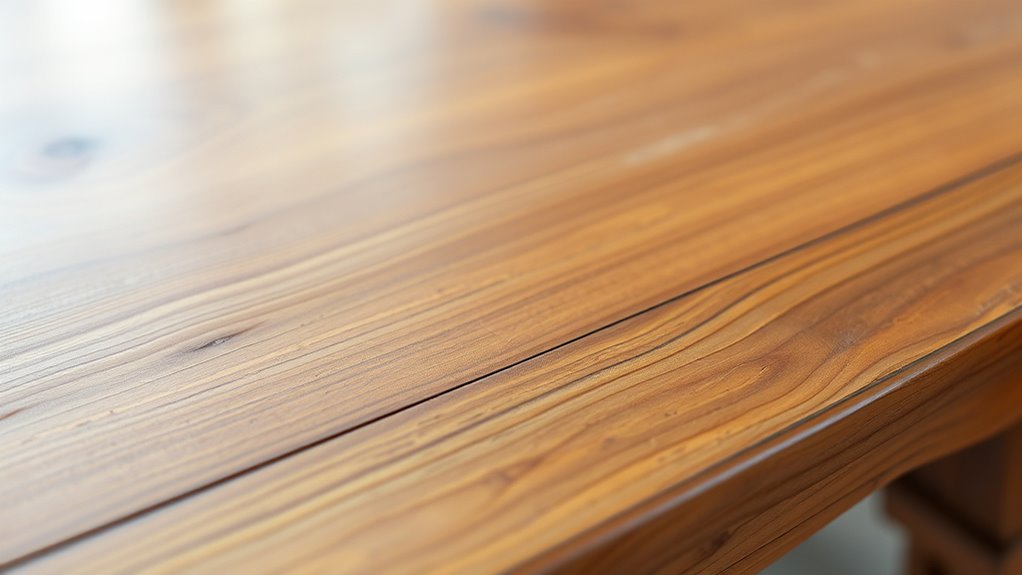
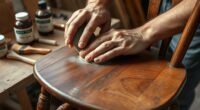
If you’re wondering whether vintage furniture was made with solid wood or veneer, it’s helpful to know that skilled craftsmanship played a key role. Many pieces used solid wood for durability, while veneers provided a high-end look at a lower cost by applying thin slices of fine wood over core materials. Finish carpentry techniques guaranteed both types lasted over time and looked beautiful. Understanding these methods reveals why vintage furniture remains sturdy and stunning, and there’s more to discover about their construction secrets.
Key Takeaways
- Vintage furniture was crafted using finish carpentry techniques, ensuring durability and a refined appearance through precise joinery and surface finishing.
- Veneer furniture employs thin wood slices glued onto cores, mimicking solid wood at lower cost, with finish carpentry ensuring seamless surfaces.
- Both veneer and solid wood pieces rely on meticulous finish carpentry for strength, beauty, and longevity, making them valuable collectibles.
- Construction methods like precise joinery and surface treatments directly impact vintage furniture’s durability and aesthetic appeal.
- Understanding these techniques helps in proper maintenance, preserving the furniture’s integrity and extending its lifespan.
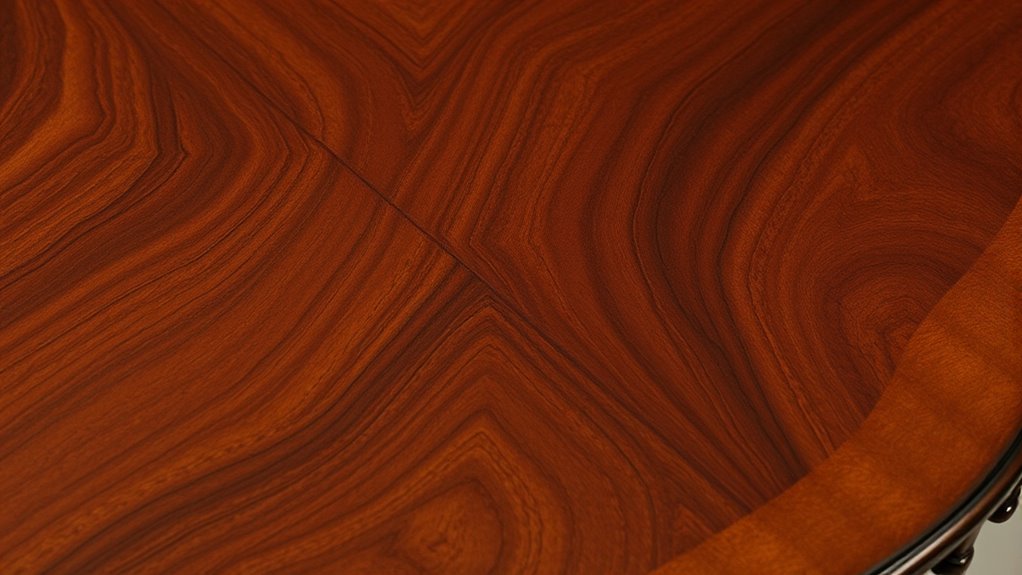
Are you unsure whether to choose veneer or solid furniture for your home? If so, understanding how vintage furniture was made can help you make a more informed decision. Historically, furniture makers relied heavily on finish carpentry techniques to craft durable and beautiful pieces. Finish carpentry involves detailed work, such as precise joinery and careful surface finishing, which not only enhances the appearance but also contributes to furniture preservation over time. When you look at vintage furniture, you can see evidence of these skills—smooth edges, intricate inlays, and carefully applied veneers that protect the core structure. Knowing this, you realize that the methods used in creating these pieces play a significant role in their longevity and appeal.
Veneer furniture is typically made by applying thin slices of wood—called veneer—to a core material like plywood or particleboard. This process allows furniture makers to create the appearance of high-quality solid wood at a lower cost. Veneers can be glued onto the surface with precise finish carpentry techniques, guaranteeing a smooth, seamless finish that mimics solid wood. This technique was popular in the past because it made furniture more affordable while still offering a luxurious look. When you select veneer furniture, you benefit from this craftsmanship, as well as easier furniture preservation. Since veneer surfaces can be refinished and repaired, they can last for decades if properly maintained, often requiring only gentle cleaning and occasional refinishing to keep them looking their best.
Both veneer and solid furniture have their advantages, and understanding how vintage pieces were made helps you appreciate their value. Finish carpentry played a vital role in assuring furniture’s durability and aesthetic appeal—whether through the intricate joinery of solid wood or the precise application of veneer. When you prioritize furniture preservation, knowing the construction methods behind your pieces guides you on how to care for them properly. Finish carpentry techniques contributed significantly to the strength and beauty of both types of furniture, ensuring their longevity over time. Ultimately, whether you choose veneer or solid, the craftsmanship involved can guarantee your furniture remains a cherished part of your home for years to come.

vidaXL Vintage Cabinet Multicolor Reclaimed Solid Wood Compact Durable
【Stable & Sustainable Construction】: Crafted from reclaimed wood, this end table offers exceptional stability and durability while supporting…
As an affiliate, we earn on qualifying purchases.
As an affiliate, we earn on qualifying purchases.
Frequently Asked Questions
How Can I Identify if Furniture Is Genuine Vintage?
You can identify genuine vintage furniture by examining the wood grain for consistency and unique patterns, which indicate age. Look for furniture markings like manufacturer stamps, labels, or hand-carved details that reveal its history. Check for signs of aging such as minor scratches, patina, or slight variations in color. These clues help confirm its authenticity, showing you’re handling a piece with real vintage character and craftsmanship.
Are Vintage Veneer Pieces More Durable Than Solid Wood?
You might be surprised to learn that veneer pieces can be more durable than solid wood, especially because they often have thicker veneer layers that resist splitting and cracking. Since veneer highlights attractive wood grain patterns, they’re designed to withstand daily wear. The key is veneer thickness—thicker layers tend to be more resilient, making vintage veneer furniture a surprisingly durable choice for long-term use and aesthetic appeal.
What Are Common Signs of Veneer Damage or Deterioration?
You’ll notice veneer damage through uneven or peeling edges, revealing the underlying wood. Surface scratches often indicate wear, especially if they follow the wood grain pattern. Look for cracks or bubbling on the surface, which signal deterioration. Changes in color or finish can also point to moisture damage. Regularly inspect your vintage furniture for these signs to preserve its beauty and prevent further harm.
Can Veneer Furniture Be Restored or Repaired Easily?
Did you know that nearly 60% of veneer furniture can be successfully restored? Restoring or repairing veneer furniture is often easier than you think. With proper restoration techniques, you can fix minor damages or veneer repair issues, restoring its beauty and value. You just need patience and the right tools. A skilled approach can make your vintage piece look nearly new, saving you money and preserving its charm.
Is Solid Wood Always Better Quality Than Veneer?
Solid wood isn’t always better quality than veneer; it depends on the wood grain and manufacturing techniques. Solid wood often shows beautiful grain patterns and is durable, but quality varies. Veneer can mimic the look of solid wood with intricate grain details, and skilled craftsmanship guarantees high-quality veneer furniture. So, consider the craftsmanship and wood grain, not just whether it’s solid or veneered, to determine quality.

REALINN Wood Furniture Repair Kit- Set of 28 – Touch Up Markers, Fillers with Wood Putty – Repair Scratch, Cracks, Hole, Discoloration for Wooden Door, Floor, Table, Cabinet
KIT INCLUDES our most powerful wood repair compounds, so you can repair all levels of damage to wood…
As an affiliate, we earn on qualifying purchases.
As an affiliate, we earn on qualifying purchases.
Conclusion
Knowing whether your vintage furniture is made of veneer or solid wood can truly impact its value and longevity. Did you know that about 80% of furniture produced in the early 20th century used veneer to create the appearance of solid wood while saving costs? So, next time you browse vintage pieces, you’ll better understand what’s beneath the surface. Making informed choices means your furniture can be cherished and preserved for generations to come.

Understanding Wood Finishing, 3rd Revised Edition: How to Select and Apply the Right Finish (Fox Chapel Publishing) Practical Guide with 350 Photos and 40 Reference Tables for Furniture and Cabinets
As an affiliate, we earn on qualifying purchases.
As an affiliate, we earn on qualifying purchases.

Rescue, Restore, Redecorate: Amy Howard's Guide to Refinishing Furniture and Accessories
As an affiliate, we earn on qualifying purchases.
As an affiliate, we earn on qualifying purchases.