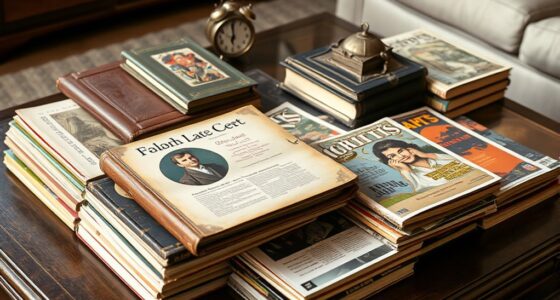
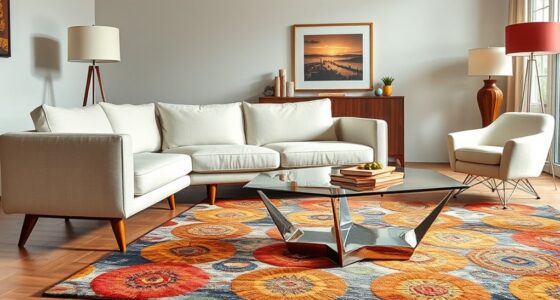
Choosing vintage furniture helps make your home more eco-friendly by reducing waste and lowering demand for new resources. These pieces often showcase timeless craftsmanship, which means they last longer and don’t need frequent replacements. Sourcing authentic, sustainably produced vintage items supports ethical practices. Plus, vintage pieces add unique charm that’s hard to find elsewhere. If you want to discover how to seamlessly incorporate these sustainable treasures into your decor, keep exploring the possibilities.
Key Takeaways
- Vintage furniture supports recycling by giving old items a second life, reducing waste and landfill contributions.
- It minimizes environmental impact by decreasing demand for resource-intensive new manufacturing.
- Using authentic, well-crafted vintage pieces ensures durability, reducing the need for frequent replacements.
- Restoring vintage furniture extends its lifespan and promotes sustainable practices through careful maintenance.
- Integrating vintage decor into modern spaces fosters a stylish, eco-friendly aesthetic aligned with circular economy principles.
The Environmental Benefits of Choosing Vintage Pieces
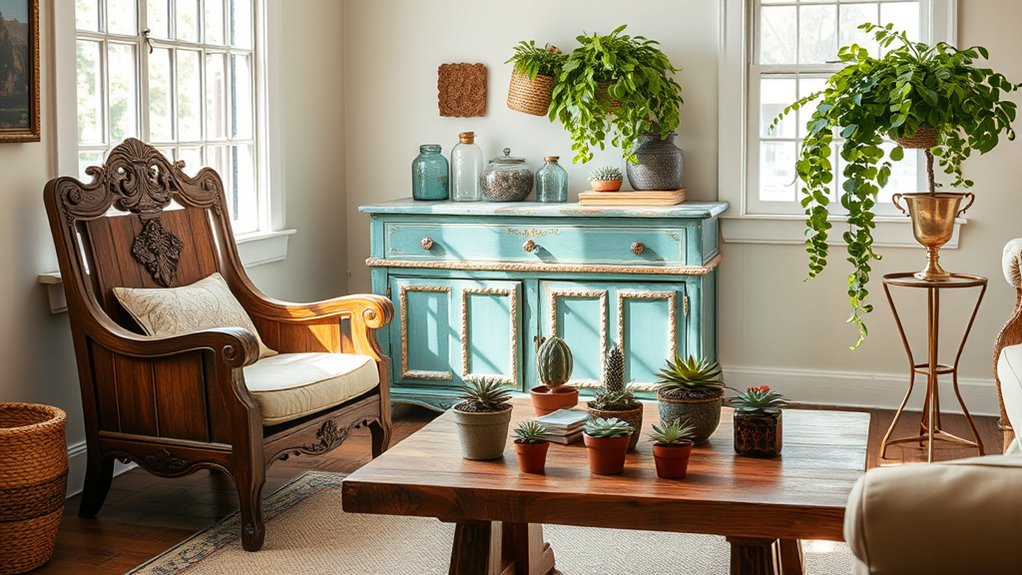
Choosing vintage pieces for your home decor can substantially reduce your environmental impact. When you select vintage furniture, you support recycling initiatives that give old items a second life, preventing unnecessary waste. Unlike new furniture, which often involves resource-intensive manufacturing, vintage pieces are typically made from eco friendly materials that have already been utilized, reducing demand for new resources. This choice minimizes your carbon footprint, as it curtails energy consumption associated with production and transportation. Additionally, vintage furniture often lasts longer, meaning fewer replacements are needed over time. By opting for these sustainable options, you not only add unique character to your home but also actively participate in reducing environmental harm. Incorporating vintage furniture also promotes reuse and recycling, helping to minimize waste and extend the lifecycle of existing materials. It’s a simple, impactful way to make your decor more eco-conscious, especially when selecting pieces that are crafted with sustainable materials. Additionally, choosing vintage pieces supports local artisans and small businesses, further reducing the environmental impact associated with mass production and global shipping. Supporting eco-friendly manufacturing practices through vintage shopping encourages more sustainable industry standards.
Unique Charm and Character of Vintage Furniture

Vintage furniture offers a distinctive charm that can transform your home into a space full of character and history. The beauty lies in its antique craftsmanship, showcasing skills passed down through generations. Each piece carries a story, reflecting the era and style that made it unique. This historical significance adds depth to your decor, making your space feel more authentic and personalized. Vintage furniture’s imperfections and details highlight its handcrafted nature, creating a warm, inviting atmosphere. To inspire you, here’s a visual idea:
| Style | Era | Key Feature |
|---|---|---|
| Mid-century | 1950s-1960s | Clean lines, functional design |
| Victorian | 1837-1901 | Ornate carvings, rich upholstery |
| Art Deco | 1920s-1930s | Bold geometric patterns |
| Shabby Chic | 1980s-present | Distressed finish, soft colors |
| Rustic | Various | Natural wood, sturdy build |
Additionally, choosing vintage furniture supports sustainable decor by reducing waste and minimizing environmental impact. Incorporating vintage pieces also encourages timeless design, which remains stylish across changing trends and adds to the longevity of your decor. Recognizing the craftsmanship behind these pieces can deepen your appreciation and help you select authentic items that will stand the test of time. Supporting ethical sourcing practices ensures your vintage furniture choices contribute positively to the environment and local communities. Recognizing the spiritual significance of these historical designs can also enhance your connection to the pieces you choose.
How Vintage Finds Reduce Waste and Overproduction

By opting for vintage furniture, you actively help reduce waste and curb overproduction. When you choose pre-loved pieces, you’re giving furniture a second life instead of contributing to new manufacturing cycles. This practice aligns with upcycling ideas, turning old or worn items into unique, functional decor that minimizes landfill waste. Vintage market trends show a growing consumer shift toward sustainable choices, emphasizing quality over quantity. Your decision to buy vintage supports a circular economy, where items are reused and repurposed rather than discarded. This reduces the demand for new resources and limits the environmental impact of mass production. Additionally, regional awareness of divorce statistics highlights the importance of making environmentally conscious choices that contribute to a sustainable future. By integrating vintage finds into your home, you’re making a tangible difference in reducing waste and promoting sustainable living. Recognizing consumer behavior trends can further inspire responsible shopping habits that benefit the environment. Understanding copyright and trademark differences can help you avoid legal pitfalls when refurbishing or customizing vintage pieces. Being informed about sustainable sourcing can also ensure that your vintage furniture choices support ethical practices and environmentally friendly supply chains. Incorporating environmentally friendly materials into your renovation process can further enhance the sustainability of your vintage decor.
Sourcing Authentic Vintage Furniture Responsibly

When sourcing vintage furniture, it’s important to choose sellers who follow ethical acquisition practices. Always verify the authenticity of pieces to guarantee they’re genuine and not mass-produced replicas. Doing so helps you make responsible choices that support sustainability and respect for historical craftsmanship. Additionally, understanding survivalism and self-reliance principles can empower you to better assess a piece’s provenance and ensure it aligns with eco-friendly values. Incorporating goal setting and mindful decision-making into your purchasing process can further reinforce your commitment to sustainable and ethical decor choices. Recognizing relationship dynamics can also help you navigate interactions with sellers and fellow collectors more effectively. Being aware of portable power sources can also help you maintain eco-friendly living even during outdoor or off-grid situations. Recognizing vintage decor trends can guide you in selecting timeless pieces that complement your sustainable lifestyle while staying stylish.
Ethical Acquisition Practices
To make certain your home decor remains eco-friendly, it’s crucial to source vintage furniture responsibly. Focus on sustainable sourcing by choosing pieces from sellers committed to ethical craftsmanship. Ask about the furniture’s origin, production methods, and any conservation efforts involved. Supporting businesses that prioritize transparency ensures you’re fostering ethical practices. Additionally, verifying that the seller complies with market regulations can help ensure the authenticity and sustainability of your vintage finds. Incorporating sustainable practices in your acquisition process not only benefits the environment but also promotes fair labor standards and long-term preservation of quality craftsmanship.
Verifying Vintage Authenticity
Ensuring your vintage furniture is authentic requires careful verification of its provenance and craftsmanship. Start by requesting provenance documentation, which confirms its history and origin. Next, conduct authenticity verification by examining details like construction techniques, materials, and stylistic features typical of the era. To streamline this process, focus on these key steps:
- Check for labels, stamps, or maker’s marks that identify the piece’s origin.
- Research the furniture’s design style to match it with known historical periods.
- Consult experts or reputable appraisers to validate authenticity and provenance documentation.
Tips for Incorporating Vintage Pieces Into Modern Decor

Mixing styles creatively helps your vintage pieces stand out in modern decor, making your space unique. Prioritize quality items that add durability and character while reducing waste. Restoring and personalizing vintage pieces not only enhances their charm but also keeps them eco-friendly and meaningful.
Mix Styles Creatively
Blending vintage pieces into modern decor adds character and depth to your space, but it requires a thoughtful approach. To mix styles creatively, focus on these key points:
- Use complementary color schemes to unify diverse pieces and create harmony.
- Opt for a balanced layout that maximizes space optimization, avoiding clutter.
- Mix textures and materials to add visual interest while maintaining cohesion.
Start by choosing vintage furniture that contrasts yet complements your modern pieces. Incorporate bold or muted colors to tie everything together. Keep the layout open to enhance space, making each piece stand out without overwhelming the room. Remember, combining styles is about creating a curated look that feels intentional, not chaotic. With these tips, you’ll craft a space that’s uniquely yours—sustainable, stylish, and full of personality.
Prioritize Quality Pieces
When adding vintage pieces to your modern decor, focusing on quality guarantees your space feels both authentic and durable. Prioritize craftsmanship appreciation by selecting items that showcase fine details and sturdy construction. High-quality vintage furniture not only lasts longer but also enhances your home’s character. Keep an eye on vintage market trends to identify pieces that balance timeless appeal with current styles. Investing in well-made furniture ensures you’re making a sustainable choice, reducing the need for frequent replacements. Remember, quality vintage pieces often come at a higher price, but their longevity and unique charm justify the investment. By choosing carefully curated, durable items, you create a cohesive look that’s both eco-friendly and visually compelling.
Restore and Personalize
Ever wondered how to seamlessly incorporate vintage pieces into your modern decor? Restoring and personalizing furniture is key. Start with simple DIY projects, like repainting or reupholstering, to give vintage pieces a fresh look that matches your modern design. Here are three tips:
- Maintain authenticity—keep original features that add character.
- Add modern touches—use sleek hardware or contemporary textiles.
- Mix and match—combine vintage with new for visual interest.
Caring for and Preserving Vintage Furniture
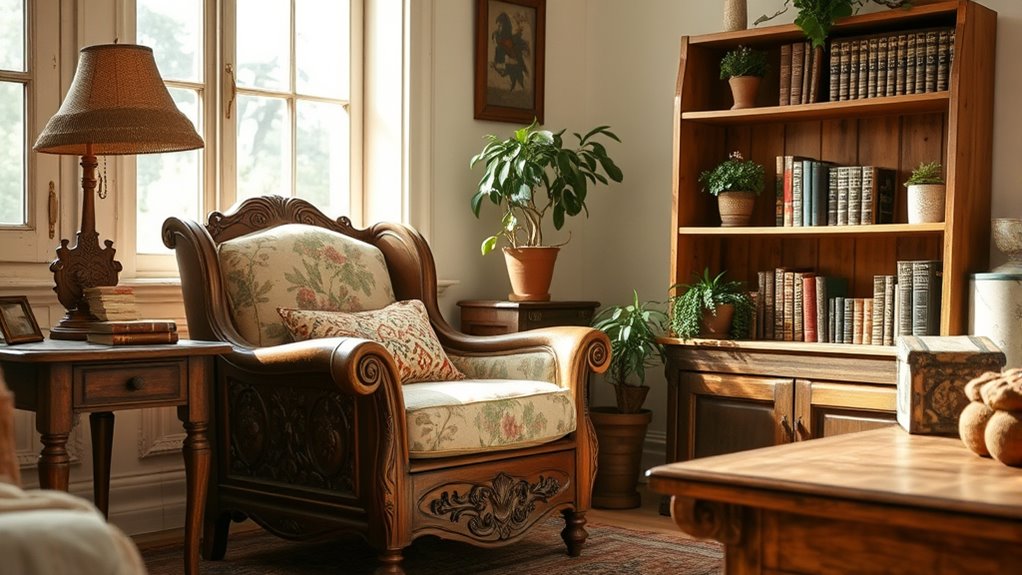
Caring for and preserving vintage furniture requires careful attention to detail to maintain its beauty and integrity. Start by regularly dusting with a soft cloth to prevent dirt buildup. Use proper polishing techniques, applying gentle, non-abrasive products to enhance the wood’s natural shine without damaging the finish. Avoid harsh chemicals that can strip original veneers or paint. When needed, furniture restoration can help repair scratches, dents, or loose joints, extending your piece’s lifespan. Always test cleaning products on a small, hidden area first. Keep vintage furniture away from direct sunlight and excessive moisture to prevent warping or fading. With consistent care, your vintage pieces will continue to provide sustainable, stylish decor that lasts for generations.
The Cost-Effectiveness of Vintage Decor
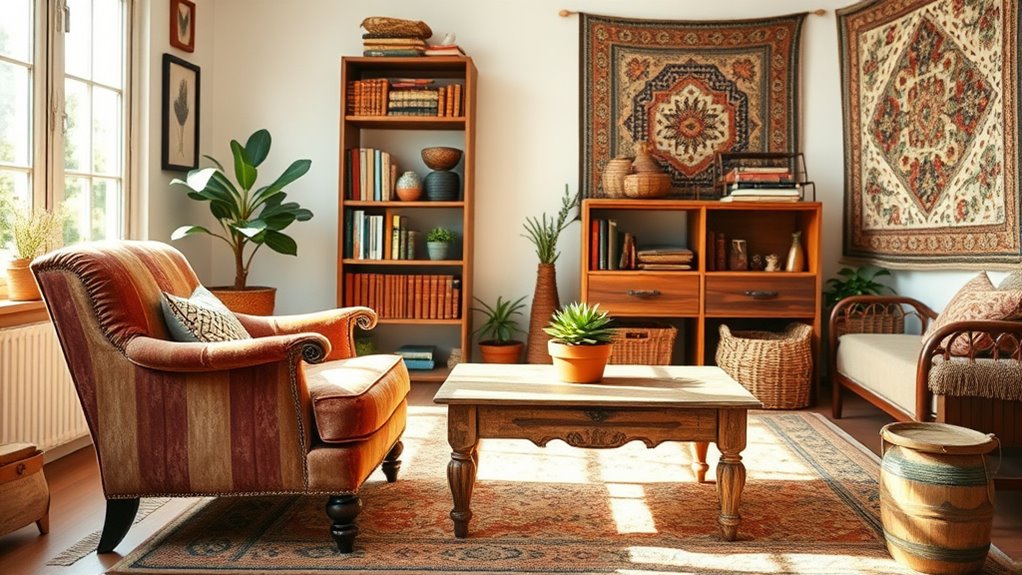
Vintage decor often proves to be a highly cost-effective choice because it combines affordability with durability. By investing in vintage pieces, you can enjoy significant cost savings over buying new furniture. Vintage items tend to be more budget-friendly options because they often cost less than modern equivalents. Plus, they last longer, reducing replacement expenses. Here are three reasons why vintage decor maximizes your budget:
- Lower initial purchase price compared to new furniture
- High-quality craftsmanship ensures longevity
- Unique styles prevent the need for frequent updates
This combination makes vintage decor a smart, eco-friendly choice for cost-conscious homeowners. You get stylish, sustainable pieces that save money over time, proving that vintage furniture is a smart investment for both your wallet and the planet.
Inspiring Examples of Sustainable Vintage Interiors

Have you noticed how some interiors seamlessly blend history with sustainability? These vintage-inspired spaces showcase creative ways to repurpose furniture and incorporate DIY projects. They often feature seasonal decorating, which keeps the look fresh and eco-friendly. For example, a vintage sideboard can become a bar cart for summer gatherings or a storage unit for winter decor. Here’s a quick look at inspiring elements:
| Vintage Feature | Sustainability Tip |
|---|---|
| Reclaimed wood furniture | DIY refinishing projects |
| Antique textiles | Seasonal decorating swaps |
| Upcycled lighting | Repurposing old fixtures |
| Vintage artwork | Framing new photos in old frames |
| Classic rugs | Using seasonal rugs for change |
These examples prove that sustainable vintage interiors are both stylish and eco-conscious.
Frequently Asked Questions
How Can Vintage Furniture Improve Indoor Air Quality?
Vintage furniture can improve indoor air quality by avoiding modern chemicals and synthetic materials that emit volatile organic compounds (VOCs). However, you should be cautious of lead paint concerns and dust accumulation issues, which may affect air quality. Regularly cleaning and inspecting vintage pieces helps reduce dust and potential toxins, making your home healthier. Choosing well-maintained vintage items ensures you enjoy sustainable decor without compromising your indoor air environment.
Are Vintage Pieces Safe for Allergy Sufferers?
Yes, vintage pieces can be safe for allergy sufferers if they have allergy-friendly finishes and undergo non-toxic restoration. You should look for furniture that’s been carefully cleaned and refinished with non-toxic paints and sealants, reducing dust and chemical triggers. Regular cleaning and choosing vintage items with minimal chemical treatment will help you enjoy unique decor without aggravating allergies. Always verify the restoration process to confirm it aligns with your allergy needs.
What Are Common Restoration Challenges With Vintage Furniture?
You’ll often face restoration challenges like dealing with old, fragile finishes or hidden structural issues. Using proper restoration techniques, you can stabilize and preserve the piece, but sourcing authentic, sustainable materials can be tricky. You might need to carefully strip and refinish surfaces or reinforce weak joints. Patience and skill are key, and always verify your material sourcing aligns with eco-friendly practices to maintain the vintage’s integrity and sustainability.
Can Vintage Furniture Be Customized Without Compromising Sustainability?
Yes, you can customize vintage furniture without compromising sustainability by using eco-friendly finishes and upcycling techniques. Opt for non-toxic paints, natural oils, or stains that protect the environment and preserve the vintage piece’s integrity. You can also repurpose parts or add new elements creatively. This approach maintains the furniture’s charm while reducing waste, making your customization efforts both personal and eco-conscious.
How Does Vintage Decor Impact Home Resale Value?
Think of vintage decor as a treasure map—your home’s charm becomes more valuable over time. It boosts your resale value by appealing to buyers seeking unique, sustainable styles. As antique market and resale trends favor eco-friendly, timeless pieces, incorporating vintage furniture signals both style and sustainability. This strategic choice can set your home apart, making it more attractive to future buyers who appreciate history, craftsmanship, and eco-conscious living.
Conclusion
By choosing vintage furniture, you not only add unique charm to your home but also help the environment. Imagine transforming your living room with a restored 1960s sofa, reducing waste and avoiding mass-produced pieces. Every vintage piece you incorporate makes a difference—saving resources and showcasing your style. So, start exploring local thrift stores or online markets today. Your sustainable, stylish home awaits, proving that eco-friendly decor can be both beautiful and meaningful.