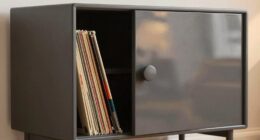
From the 1950s to the 1990s, home styles evolved from sleek, minimalist designs with earthy tones and functional furniture to vibrant, eclectic spaces full of personality and bold accents. The 1960s and 1970s embraced creativity with bohemian textiles and vintage mixes, while the 1980s leaned toward luxury and visual drama. By the 1990s, simplicity and Scandinavian influences created comfortable, effortless environments. If you keep exploring, you’ll see how these shifts reflect changing societal values and design ideas.
Key Takeaways
- The 1950s favored minimalist mid-century modern with clean lines, sleek wood, and earthy tones.
- The 1960s and 1970s embraced eclectic bohemian styles, mixing vibrant textiles and vintage pieces.
- In the 1980s, interiors featured bold accent walls, statement lighting, and luxurious, plush furnishings.
- The 1990s shifted toward minimalist, functional designs with subdued palettes inspired by Scandinavian influences.
- Overall, home decor evolved from simple, practical styles to expressive, eclectic, and technology-integrated aesthetics.

Have you ever wondered how interior decor has evolved over the years? It’s fascinating to see how styles shift, reflecting changing tastes, cultural influences, and societal values. During the 1950s, the design scene was all about optimism and new beginnings. Mid-century modern became a dominant style, characterized by clean lines, functional furniture, and a focus on simplicity. Think sleek wood furniture, geometric shapes, and a palette of earthy tones paired with vibrant accents. This style embraced the idea that form follows function, making homes feel both stylish and practical. It was a stark departure from the ornate, overly decorated interiors of earlier eras, emphasizing minimalism and innovation. You might have incorporated a low-profile sofa, tapered legs, and bold lighting fixtures to channel that era’s aesthetic. As the decades progressed, the 1960s and ’70s saw a shift toward more expressive and eclectic designs. The bohemian chic style emerged, mixing patterns, textures, and colors with abandon. You’d find vibrant textiles, layered rugs, and an array of decorative objects collected from travels or crafted by artisans. It encouraged individuality and creativity, breaking away from rigid styles and embracing a more relaxed, free-spirited vibe. This era was about mixing vintage finds with modern pieces, creating a personalized, artsy atmosphere. Moving into the 1980s and beyond, interior decor became more diverse, influenced by pop culture, technological advancements, and a desire for luxury. You might have seen the rise of bold accent walls, statement lighting, and plush furniture. The 1990s pushed further into comfort and simplicity, with a more subdued color palette and an emphasis on functionality. Minimalism gained popularity, and many homes adopted a more streamlined look, often inspired by Scandinavian design principles. Throughout these decades, interior decor continually adapted to reflect changing lifestyles and values. Today, you can blend styles effortlessly—pairing mid-century modern furniture with bohemian chic accessories, for example—to create a space that’s uniquely yours. The evolution shows that decor isn’t just about aesthetics; it’s a mirror of society’s shifting priorities and creative expressions. As innovative European cloud solutions continue to influence our digital lives, interior design also integrates new technologies and sustainable practices to shape modern homes. Whether you prefer the sleek, understated vibe of mid-century modern or the vibrant, layered look of bohemian chic, understanding these styles helps you appreciate how diverse and dynamic home design can be. In the end, decorating your space is about expressing your personality while respecting the historical influences that have shaped contemporary interiors. It’s a journey through time, one that invites you to explore and reinvent your home with every passing decade.

Mid-Century Modern Furniture
As an affiliate, we earn on qualifying purchases.
As an affiliate, we earn on qualifying purchases.
Frequently Asked Questions
How Did Global Events Influence Interior Design Trends Post-1950s?
You see, global events like post-war optimism and economic booms heavily influenced interior design trends after the 1950s. You notice brighter colors, modern materials, and streamlined furniture reflecting hope and prosperity. These shifts symbolize a desire for comfort, progress, and innovation. As economies grew, you embrace styles that are functional yet stylish, blending practicality with a sense of optimism and forward-thinking that defined the era’s home decor.
What Role Did Technological Advancements Play in Home Decor Evolution?
Technological advancements profoundly shaped your home decor evolution. You now incorporate smart appliances that automate chores and enhance convenience, transforming your living space. LED lighting revolutionized ambiance, offering energy-efficient, customizable illumination that sets the mood effortlessly. These innovations not only improve functionality but also influence your interior design choices, making your home smarter, more comfortable, and stylish, reflecting the latest in tech-driven decor trends.
How Did Cultural Shifts Impact Color Schemes in Different Decades?
You notice the striking contrast in color palettes across decades, shaped by cultural influences. In the 1950s, optimistic pastels reflected post-war hope, while the rebellious 1960s embraced bold, psychedelic hues mirroring social upheaval. The 1980s favored vibrant, neon shades driven by pop culture, whereas the 1990s leaned toward muted earth tones echoing environmental awareness. These shifts reveal how cultural movements directly influence home decor’s color choices, creating visual stories of each era.
Were There Regional Differences in Decor Styles Throughout These Decades?
Yes, regional variations considerably influenced decor styles across decades. Cultural influences shaped local tastes, materials, and motifs, making designs diverse from one area to another. For example, the Southwestern style incorporated desert landscapes and vibrant colors, while the Northeast favored traditional, colonial-inspired decor. You’ll notice these regional differences reflect local history, climate, and cultural identities, giving each area a unique aesthetic that evolved over time.
How Did Eco-Consciousness Start Affecting Home Decoration Choices?
You might think eco-consciousness is a recent trend, but it’s been quietly shaping home decor choices for decades. As you select sustainable materials and embrace eco-friendly practices, you help reduce environmental impact. Ironically, what once was seen as a quirky niche is now mainstream, prompting you to prioritize recycled wood, organic fibers, and energy-efficient lighting—proving that caring for the planet can be stylish and practical.

LOMOHOO Macrame Woven Wall Hanging Dream Catcher Triangle Tassel Geometric Art Boho Backdrop Bohemian Home Decor Wall Art Beautiful Apartment Dorm Room Door Decoration(Brown)
★【Material】: Metal Triangle Circle+ Cotton Cord + Tassel.
As an affiliate, we earn on qualifying purchases.
As an affiliate, we earn on qualifying purchases.
Conclusion
While styles have evolved from the bold patterns of the 1950s to the sleek minimalism of the 1990s, one thing remains true: your home should reflect your personality. Don’t feel pressured to follow every trend—trust your instincts and create a space that feels authentic to you. Remember, timeless comfort beats fleeting fads, so focus on what makes you feel at home. After all, your home is your personal style statement.

lighceac 31.5" 12-Light Modern Crystal Chandelier Light Fixtures 3 Rings Gold Luxury Chandeliers for Living Room Glam Round Hanging Ceiling Pendant Lighting for Entryway Kitchen Bedroom Dining Room
💕 【Modern Crystal Chandelier】- The chandelier is made of high quality metal iron, exquisite full golden painting, smooth…
As an affiliate, we earn on qualifying purchases.
As an affiliate, we earn on qualifying purchases.

AuldHome Design Square Tissue Box Cover (Enamel/Mango Wood); Minimalist Scandinavian Decor White Cube Tissue Holder
MULTI-STYLE: Whether you want the neutral tones of modern farmhouse boho or the clean natural lines of Scandi…
As an affiliate, we earn on qualifying purchases.
As an affiliate, we earn on qualifying purchases.