
When refinishing antique furniture, it’s important to assess the piece’s condition and decide whether to preserve or restore it. Use gentle methods like soft sanding and avoid aggressive stripping to prevent damage. Choose finishes that match the original or suit your desired look, such as shellac or oils, and apply thin coats with proper drying time. Proper surface prep and careful technique are key to maintaining its character. Continue exploring to discover essential dos and don’ts for successful restoration.
Key Takeaways
- Assess the furniture’s condition and decide whether to restore or preserve specific elements before starting.
- Use gentle stripping methods and proper cleaning to avoid damaging delicate wood or details.
- Choose finishing materials that match the original or desired aesthetic, favoring shellac or natural oils for authenticity.
- Apply finishes in thin coats, sanding lightly between layers, and follow manufacturer instructions for best results.
- Preserve the antique’s character by avoiding over-application of modern finishes and focusing on enhancing its natural beauty.

Refinishing antique furniture can breathe new life into cherished pieces, but it requires careful preparation and attention to detail. Before you start, you need to understand the essential restoration techniques that will help preserve the integrity of the piece while giving it a fresh appearance. The first step involves evaluating the condition of the furniture, identifying any damage, and deciding whether to restore or preserve certain features. Once you’ve evaluated the piece, you can begin the process by removing the old finish carefully, often using a chemical stripper or gentle sanding, depending on the type of finish and the age of the piece. It’s vital to avoid aggressive stripping that could damage delicate wood or decorative details. After stripping, you should thoroughly clean the surface to remove any residual chemicals, dust, or debris, ensuring a clean base for your new finish. Proper surface preparation is crucial to achieving a smooth and durable result.
When it comes to choosing finishing materials, you want to select options that match the original look or achieve your desired aesthetic while being compatible with antique wood. Popular finishing materials include shellac, lacquer, oil-based stains, and polyurethane, each offering different levels of protection, sheen, and ease of application. For authentic restoration, shellac is often preferred because it was historically used and can be easily repaired. Oils like Danish oil or tung oil penetrate deeply, enhancing the wood’s natural beauty and providing a subtle sheen. If durability is a priority, especially for high-use surfaces, polyurethane can be a good choice, but it may alter the piece’s original appearance if not applied carefully.
Applying these finishing materials requires patience and precision. You should follow manufacturer instructions carefully, applying thin coats and allowing adequate drying time between each layer. Sand lightly between coats to achieve a smooth, even finish. Be cautious not to over-apply, as thick coats can lead to drips, uneven surfaces, or cloudiness. Proper ventilation during application and drying is essential for safety and quality results. Additionally, consider the antique’s original finish and style; sometimes, a simple oil or wax finish will highlight the piece’s character better than a heavy polyurethane layer. Remember, the goal is to enhance and protect your furniture without compromising its antique charm. Understanding the importance of proper finishing and selecting suitable materials are key to successful restoration. With the right restoration techniques and suitable finishing materials, you’ll restore your vintage piece to its former glory while preserving its unique history.

Minwax Antique Furniture Refinisher, 1 Quart
ANTIQUE FURNITURE RESTORATION – Minwax Antique Furniture Refinisher is a low viscosity, amber-colored blend of solvents and wood…
As an affiliate, we earn on qualifying purchases.
As an affiliate, we earn on qualifying purchases.
Frequently Asked Questions
How Do I Identify the Original Finish on Antique Furniture?
To identify the original finish on antique furniture, examine the surface closely for signs of age, such as crackling or a patina. Use finish identification techniques like testing with a small amount of solvent in an inconspicuous area to see how it reacts. This helps you determine the original finish and guides proper finish restoration. Be gentle during testing to avoid damaging the delicate antique, ensuring you preserve its value and character.
What Safety Precautions Should I Take During Refinishing?
During refinishing, you should always wear protective gear like gloves, masks, and goggles to shield yourself from harmful chemicals and dust. Make certain good ventilation safety by working in a well-ventilated area or using fans to disperse fumes. Take breaks often, avoid inhaling fumes directly, and keep your workspace clean. These precautions protect your health and make your refinishing project safer and more successful.
Can I Refinish Furniture With Sentimental or Historical Value?
Should you refinish furniture with sentimental or historical value? It’s best to contemplate restoration ethics and prioritize sentimental value preservation. If the piece holds emotional or historical significance, refinishing might diminish its authenticity and worth. Are you prepared to possibly lose its original charm? Carefully evaluate whether refinishing will respect its history. Sometimes, cleaning or minor repairs are better options to maintain its integrity, ensuring the piece’s story remains intact for future generations.
How Long Does the Refinishing Process Typically Take?
The time estimation for refinishing antique furniture varies depending on the piece’s condition and your experience, but typically, the process duration ranges from a few days to a week. You should plan for cleaning, sanding, repairing, and applying finishes, which all take time to dry properly. Rushing the process can compromise quality, so be patient and allow each step to fully dry before moving on.
What Are the Best Tools for Refinishing Antique Furniture?
For refinishing antique furniture, you’ll want to choose the right tools. Select a high-quality brush for applying finishes smoothly, and opt for different sizes to reach tight spots. Sand with reliable sanding equipment, like orbital sanders or sandpaper, to prep surfaces effectively. Good tools make a difference, so invest in durable brushes and versatile sanding gear to achieve a professional-looking finish without damaging your cherished piece.
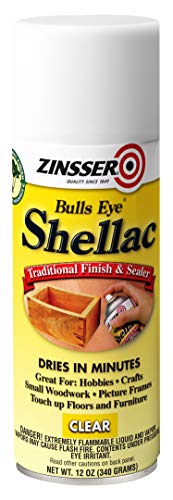
Zinsser 408 Bulls Eye Shellac Traditional Finish & Sealer Spray, 12 oz, Clear
Blocks odors in wood, plaster, drywall, and masonry
As an affiliate, we earn on qualifying purchases.
As an affiliate, we earn on qualifying purchases.
Conclusion
Refinishing antique furniture can be rewarding when done correctly, preserving its beauty for generations. Remember, over 60% of antique collectors prefer restoring pieces themselves, valuing the personal touch. By following dos and don’ts, you guarantee your furniture retains its historical charm and value. Take your time, be patient, and enjoy the process—your efforts will be reflected in a stunning, timeless piece that tells its own story. Happy refinishing!

Tried & True Original Wood Finish, 8 oz. – Linseed Oil & Beeswax Blend, Ideal for All Woodwork, Long-Lasting Durability, Food Safe Sealer, Non-Toxic Wood Finish
SUPERIOR BLEND OF LINSEED OIL & BEESWAX: Tried and True wood finish is a superior blend of linseed…
As an affiliate, we earn on qualifying purchases.
As an affiliate, we earn on qualifying purchases.

Smart 'n Easy Paint & Varnish Remover Gel – Do It Yourself Friendly Paint Remover – Strips Multiple Layers of Acrylic, Latex, Oil & Water-Based Paints & Varnishes – 32oz
ALWAYS TEST BEFORE USE: Removes acrylic, latex, oil, & water-based paints, varnishes, & stains, typically in only a…
As an affiliate, we earn on qualifying purchases.
As an affiliate, we earn on qualifying purchases.