
To rescue data from obsolete media like floppy disks, VHS tapes, and CD-ROMs, you should first gather the right hardware such as external disk drives, VHS players, or CD readers. Connect these to your computer to transfer files onto a digital platform, organizing them with metadata for easy access. Use cloud storage for additional backups and protection. By following these steps, you can preserve valuable information before these formats become unreadable. Continue to learn how to maximize data safety and longevity.
Key Takeaways
- Use compatible hardware and external drives to connect and transfer data from obsolete media like floppy disks and VHS tapes.
- Digitize physical media promptly to prevent further degradation and ensure easier access and preservation.
- Organize and add metadata to digitized files for efficient retrieval and long-term management.
- Back up data using cloud storage and multiple physical copies to safeguard against hardware failure or damage.
- Regularly update storage methods and formats to adapt to technological changes and maintain data accessibility.

As technology advances, many once-reliable storage media become obsolete, risking valuable data slipping into obscurity. It’s a challenge you’ll face when trying to recover information stored on aging formats like floppy disks, VHS tapes, or even CD-ROMs. The key to safeguarding your data lies in proactive digital archiving and leveraging modern solutions like cloud storage. These tools help ensure your memories, work files, or critical documents won’t be lost due to media degradation or incompatibility with current hardware.
Obsolete storage media threaten your data—digitize, archive, and store in the cloud to preserve your digital legacy.
When dealing with obsolete media, the first step is to transfer the data onto a more accessible platform. For physical media like floppy disks or tapes, you’ll need the appropriate hardware—an external drive or reader compatible with the format. Once connected, you can copy the files onto your computer. From there, it’s wise to move these files into a digital archive—organizing and backing them up in a way that makes future retrieval simple and reliable. Digital archiving not only preserves your data but also allows you to add metadata, making searches easier down the line.
After digitizing your files, cloud storage becomes an invaluable tool. Unlike traditional external drives, cloud solutions provide remote access, automatic backups, and version control. You can upload your digitized data to services like Google Drive, Dropbox, or specialized archival platforms, ensuring your files are stored securely off-site. This approach minimizes the risk of physical damage or hardware failure destroying your valuable information. Additionally, cloud storage offers scalability—you can increase storage capacity as your digital archive grows, without the need for additional hardware.
It’s often tempting to rely solely on physical backups, but these can be vulnerable to damage, theft, or obsolescence. Digital archiving combined with cloud storage creates a layered backup strategy, protecting your data from multiple threats. As you digitize more formats, consider creating multiple copies stored in different locations or on different platforms. This redundancy ensures that even if one backup fails, your data remains safe and accessible.
In the end, rescuing data from obsolete media requires a proactive approach. Don’t wait for hardware to fail or for formats to become unreadable. By converting old formats into digital files, organizing them through digital archiving, and utilizing cloud storage, you make sure your information endures. This strategy not only preserves your digital history but also simplifies future access, giving you peace of mind knowing your data is protected against the march of technological progress. Additionally, understanding the contrast ratio of your equipment can help you optimize image quality during the digital conversion process, especially when working with visual media.
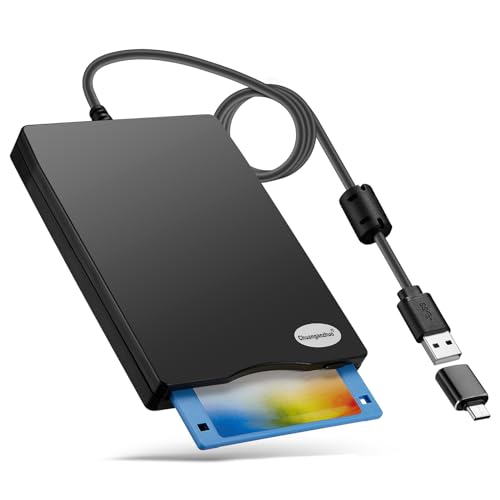
Floppy Disk Reader, 3.5 inch 1.44mb External USB Type A/C Floppy Disk Drive for PC, Laptop and Desktop Compatible with Windows 11/10/8/7/2000/XP, Not Compatible With Mac and Chrome, Black
3 1/2 Floppy Disk Reader: As most modern laptops and desktop computers no longer come equipped with internal…
As an affiliate, we earn on qualifying purchases.
As an affiliate, we earn on qualifying purchases.
Frequently Asked Questions
How Long Can Data on Obsolete Media Remain Readable?
Data on obsolete media can stay readable for varying lengths depending on media type and storage conditions. Typically, floppy disks last about 2-3 decades, while VHS tapes may endure 10-20 years if stored properly. To maximize media longevity, keep your storage conditions cool, dry, and away from magnetic fields or sunlight. Proper handling and regular data checks help guarantee your data remains accessible over time.
Are There Affordable Tools for Amateur Data Recovery?
Yes, there are affordable tools for amateur data recovery. You can find DIY recovery kits like USB adapters and specialized readers for floppy disks, VHS, and more at reasonable prices. These tools let you attempt recovery at home without needing professional services. Just make certain you follow instructions carefully to avoid damaging your media further. With a bit of patience, you can often salvage valuable data using these budget-friendly options.
What Are the Signs That Media Is Too Degraded to Recover?
You’ll notice signs like frequent read errors, unusual noises, or data corruption during media preservation efforts, indicating the media may be too degraded for recovery. If the media shows physical damage like cracks, mold, or corrosion, it’s a strong sign to stop. When engaging in digital archiving, recognize these signs early to avoid wasting time. Often, professional tools can salvage partially degraded media, but severe damage usually means data loss.
Can Data Be Recovered Without Professional Help?
Yes, you can attempt data recovery with DIY techniques if the media isn’t too degraded. Carefully clean and inspect the device, use specialized software for data preservation, and connect the media to a compatible reader. Be patient and gentle, as forcing it can cause further damage. While professional help offers higher success, many enthusiasts successfully recover data on their own by following proper procedures.
How Do I Prevent Future Data Loss on Aging Media?
A stitch in time saves nine, so you should prioritize digital preservation to prevent future data loss. Regularly back up your files to reliable storage, like external drives or cloud services, guaranteeing media longevity. Avoid exposing media to heat, moisture, or magnetic fields, which accelerate deterioration. Keep your devices and storage media in cool, dry environments. By staying proactive, you make sure your valuable data remains accessible for years to come.

Portta VHS to Digital Converter, Video to Digital Recorder with Remote, Compatible with VHS, VCR, DVR, DVD, Hi8, Mini DV, Gaming Consoles (VCR, VHS/DVD Player, Camcorder Required)
【Video to Digital Converter】Effortlessly convert and store analog video and audio signals into digital formats, Recording resolution up…
As an affiliate, we earn on qualifying purchases.
As an affiliate, we earn on qualifying purchases.
Conclusion
Don’t let your precious memories fade like old photographs in a dusty attic. By actively rescuing data from obsolete media, you’re breathing new life into forgotten moments, turning digital archaeology into a treasure hunt. Think of these efforts as opening a time capsule—each recovered file a message from the past waiting to be heard again. So, take action now; your data’s story deserves to be told anew, shining brighter than the dust gathering on forgotten media.
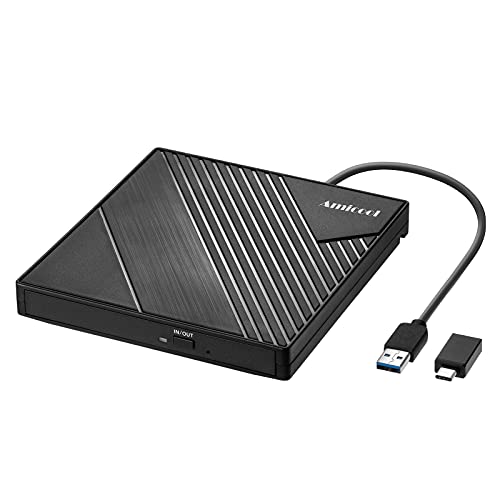
Amicool External DVD Drive USB 3.0 USB C CD Burner CD/DVD +/-RW Optical Drive, Slim Portable DVD CD ROM Rewriter Writer Duplicator for Laptop Desktop PC Windows 11/10/8/7 MacBook Mac Linux OS Apple
【PLUG & PLAY – EASY CONNECTION】 Simply connect the Amicool External DVD Drive to your computer’s USB or…
As an affiliate, we earn on qualifying purchases.
As an affiliate, we earn on qualifying purchases.

HOW TO CONVERT AND STORE VHS, DVDS, AND FILM REELS INTO DIGITAL FILES: Step-By-Step Guide to Preserve Your Memories
As an affiliate, we earn on qualifying purchases.
As an affiliate, we earn on qualifying purchases.