Many musicians are loving analog synths again because they deliver a warm, expressive sound that digital instruments often lack. The tactile experience of twisting knobs and patching cables sparks creativity and makes music production more engaging. This resurgence is driven by a desire for authentic, organic tones that add depth and personality to your music. If you explore further, you’ll discover how blending vintage warmth with modern digital tools can expand your sonic possibilities.
Key Takeaways
- Musicians seek authentic, warm sounds that analog synths naturally produce, enhancing emotional depth in music.
- The tactile experience of manipulating knobs and cables fosters creativity and spontaneous sound design.
- Analog synths offer unique tonal variations and imperfections that digital instruments struggle to replicate.
- The revival blends vintage analog warmth with modern digital flexibility for versatile soundscapes.
- The physical interaction and nostalgic appeal make analog synths more engaging and inspiring to artists.
In recent years, synthesizers have experienced a notable resurgence as both musicians and producers rediscover their versatility and unique sound. This revival isn’t just a nostalgic throwback; it’s a response to the distinct qualities that analog synths bring to music production. When you work with an analog synthesizer, you’re tapping into a sound that’s often described as warm, rich, and alive—qualities that digital instruments sometimes struggle to replicate. Analog warmth, characterized by subtle variations in tone and a natural imperfection, creates a sense of depth and personality that can make your music feel more organic and expressive. Many artists find that this warmth adds a layer of emotional resonance that’s difficult to achieve with purely digital tools.
At the same time, digital convenience remains a significant advantage. Modern digital synthesizers and software provide immense flexibility, offering a wide range of sounds, presets, and modulation options at your fingertips. You can experiment endlessly without the need for physical space or extensive maintenance, making digital tools incredibly efficient for fast-paced production environments. It’s this balance—combining the tactile, sonic richness of analog with the versatility and practicality of digital—that fuels the current enthusiasm for synthesizers. You might start a project with a digital synth for its ease of use, then switch to an analog to add character and warmth, blending the best of both worlds seamlessly.
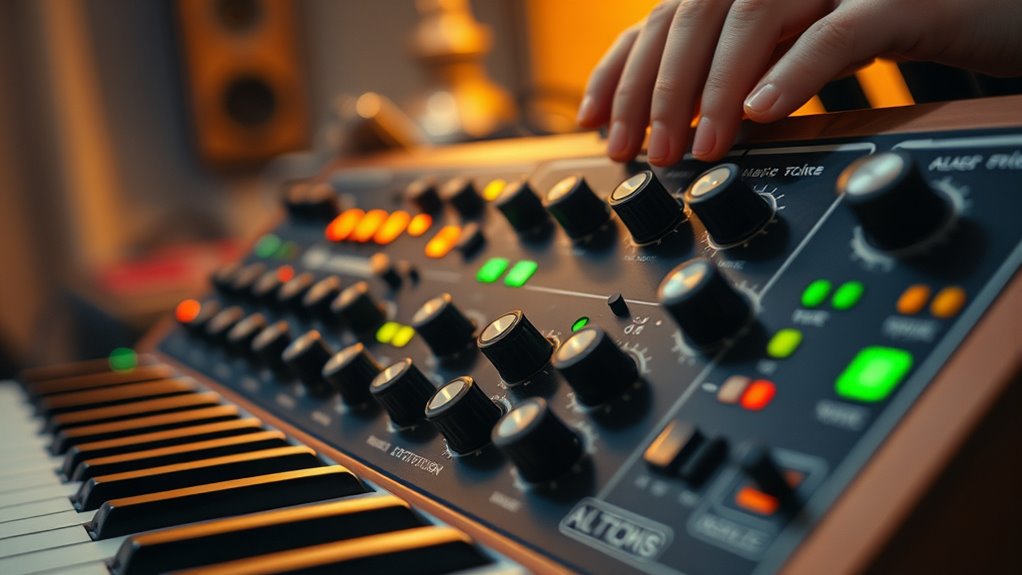
The tactile experience of working with an analog synth also plays a *vital* role in its appeal. Twisting knobs, flipping switches, and patching cables engage your senses more directly than clicking a mouse. This hands-on approach encourages experimentation and often leads to more creative decisions, giving your music a distinctive, human touch that’s hard to achieve digitally. Plus, the process of shaping sounds physically can inspire new ideas and workflows, making your production sessions more engaging and rewarding.
Ultimately, the resurgence of analog synthesizers reflects a desire for authenticity and sonic richness in an increasingly digital world. It’s about capturing that elusive, organic quality that makes your music stand out. You’re not choosing between analog warmth and digital convenience; you’re integrating both to craft sounds that are expressive, versatile, and *indispensable* to your unique style. This blending of old and new is what makes the current synth revival so exciting—you get the best of both worlds, and your creative possibilities expand exponentially.

MOOG Messenger – Next-Gen Monophonic Analog Keyboard Synthesizer with 32 Keys, 64-Step Sequencer, 256 Presets and RES BASS Compensation
Timeless Intuitive Design – Building upon MOOG's iconic monosynths, Messenger features innovative circuits in a portable format, delivering…
As an affiliate, we earn on qualifying purchases.
As an affiliate, we earn on qualifying purchases.
Frequently Asked Questions
How Do Analog Synths Compare to Digital in Sound Quality?
You’ll notice that analog synths deliver a richer, warmer sound with more tonal depth compared to digital versions. They produce a unique warmth and natural imperfections that add character to your music. Digital synths can sound cleaner and more precise, but many musicians prefer analog’s organic tonal richness, which makes their melodies feel more alive and expressive. So, if you’re after authentic sound warmth, analog synths often win out.
Are Vintage Synths More Reliable Than New Models?
Think of vintage synths as timeless oak trees—they’ve stood the test of time with classic durability. You’ll find they often offer better vintage reliability due to solid construction, but they can also be more prone to wear and tear. New models, like fresh shoots, embrace modern tech and might need less maintenance. Ultimately, your choice depends on whether you value enduring charm or modern convenience.
What Maintenance Do Analog Synthesizers Require?
You need to regularly calibrate your analog synthesizer to guarantee accurate sound output and maintain its performance. Additionally, cleaning the knobs helps prevent dirt buildup that can affect control sensitivity. Periodic maintenance, like checking connections and replacing worn components, keeps your synth in top shape. By staying on top of calibration and knob cleaning, you’ll enjoy consistent sound quality and prolong your instrument’s lifespan.
Can Beginners Easily Learn to Use Analog Synths?
Think of an analog synth as a friendly garden maze—you can find your way with patience. While there’s a learning curve, many models are surprisingly user-friendly, designed for beginners. With some practice, you’ll start understanding oscillators and filters, transforming your curiosity into skill. Don’t worry about complexity; the intuitive controls invite exploration, making it accessible and rewarding as you learn to craft your unique sounds.
Are There Affordable Options for Aspiring Musicians?
Yes, there are budget options for aspiring musicians, and many are beginner-friendly. You can find affordable analog synths like the Behringer Model D or Arturia MicroBrute that offer simple controls, making learning easier. These synths provide great sound quality without breaking the bank, so you can start experimenting and developing your skills without a huge investment. They’re perfect for beginners enthusiastic to explore analog synthesis.

Synthesizer & Cat Vintage Analog – Synth Techno T-Shirt T-Shirt
Cat design. Do you love Synthesizer? If the words Analog, Synth, Techno,Release, Keyboard, Electronic, LFO, Envelope, Eurorack, Rave,…
As an affiliate, we earn on qualifying purchases.
As an affiliate, we earn on qualifying purchases.
Conclusion
You embrace the warmth, the character, and the authenticity of analog synths. You rediscover the tactile feel, the inspiring imperfections, and the timeless appeal they bring. You connect with the history, the craftsmanship, and the unique sound they produce. You experience the joy of creation, the thrill of experimentation, and the passion that keeps the analog revival alive. You feel it, you love it, and you’re part of this vibrant movement, shaping the future with a nostalgic heart.

Kurrent Electric (5 Color Pack of 3.5mm Mono TS Modular Synth Patch Cables Compatible with Many Modular and Semi-Modular Synthesizers
Length of flexible cable: 27" inch long
As an affiliate, we earn on qualifying purchases.
As an affiliate, we earn on qualifying purchases.
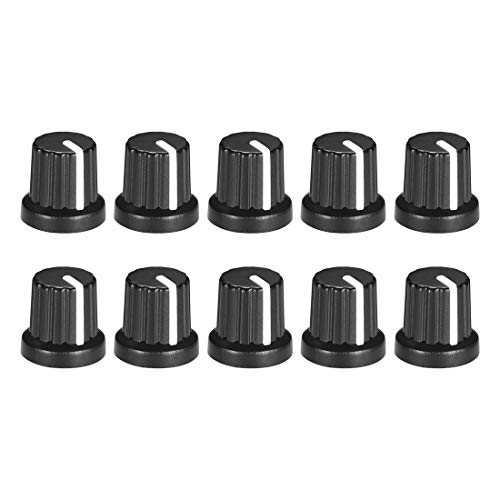
uxcell 10Pcs 6mm Splined Shaft Hole Knob for Speaker Effect Pedal Amplifier Black Potentiometer Knob White Mark
Guitar Effect Pedal Knob Amplifier Control Knobs for Guitar Parts Accessories
As an affiliate, we earn on qualifying purchases.
As an affiliate, we earn on qualifying purchases.