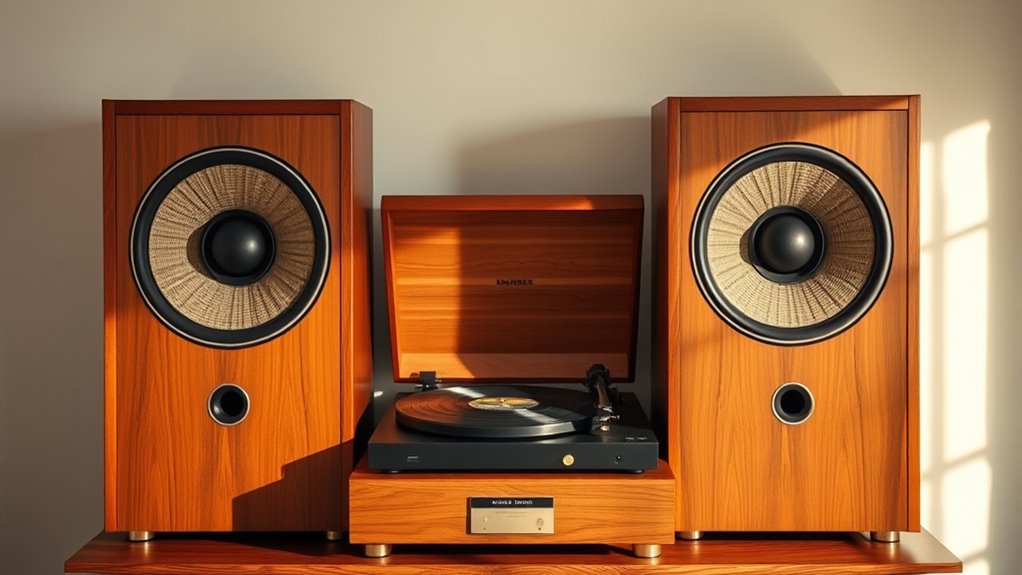
To optimize sound in your vintage stereo, start by placing your speakers at ear level and angling them slightly toward your listening position. Keep them about one foot away from walls to prevent excessive bass and reflections, and position them equidistant from your main seat for balanced sound. Use soft furnishings or acoustic panels to absorb unwanted echoes and control reflections. Fine-tuning these elements helps create clearer, richer audio—if you want to master this art, there’s more to discover.
Key Takeaways
- Position speakers at ear level and angle inward towards the listening area for optimal sound imaging.
- Keep speakers roughly one foot away from walls and corners to prevent excess bass and boundary reinforcement.
- Use soft furnishings and acoustic treatments to absorb reflections and reduce echoes for clearer audio.
- Ensure speakers are equidistant from the primary listening spot to maintain phase coherence.
- Experiment with placement and room acoustics to balance direct sound and reflections, enhancing overall sound quality.

Have you ever wondered why your home theater or speaker system doesn’t sound as good as it should? The answer often lies in how you’ve positioned your speakers and how sound interacts within your space. To get the best performance, understanding sound wave propagation and room acoustics is essential. Sound wave propagation describes how sound travels through the air from your speakers, bouncing off walls, ceilings, and furniture. Proper placement ensures these waves reach your ears with the right timing and intensity, creating a balanced and immersive experience. Conversely, poor positioning can cause sound waves to reflect unevenly, resulting in echoes, dead spots, or muddled audio.
Proper speaker placement ensures balanced sound and clarity by managing sound wave reflections and room acoustics.
Room acoustics play a critical role in shaping how sound behaves in your space. Every room has unique characteristics—size, shape, materials—that influence how sound waves reflect and absorb. For example, hard surfaces like glass or tile reflect sound, which can lead to harsh echoes and interfere with clarity. Soft furnishings, rugs, and curtains absorb sound, reducing unwanted reflections and improving overall clarity. When placing your vintage stereo speakers, consider these factors carefully. Positioning speakers too close to walls or corners can amplify bass frequencies excessively due to boundary reinforcement, making the sound boomy or boisterous. On the other hand, placing them too far from walls can weaken the sound, diminishing bass response and creating an overly distant or hollow effect.
To optimize sound wave propagation, aim for a balanced placement that minimizes unwanted reflections while ensuring direct sound reaches your ears. Typically, this involves setting your speakers at ear level and angling them slightly inward toward your listening position. Keep them roughly equidistant from your main listening spot to maintain timing and phase coherence. Experiment with distances from walls—about a foot away often works well—so you avoid excessive boundary reinforcement. It’s also helpful to consider the room’s acoustics by adding soft furnishings or acoustic panels where reflective surfaces are unavoidable. These adjustments help absorb excess sound waves and prevent them from bouncing around chaotically, which can muddy the audio. Additionally, understanding sound wave propagation can help you identify the ideal speaker placement to enhance clarity and stereo imaging.
In the end, understanding and managing sound wave propagation and room acoustics is key. Proper speaker placement transforms your vintage stereo setup from average to exceptional, delivering clear, balanced sound that fills your space with rich, authentic audio. It’s worth taking the time to experiment and fine-tune your positioning—after all, the best sound starts with how well your speakers interact with their environment.

Faesun Flip Top Record Player Stand, Large Turntable Stand Holds up to 150+ Albums, Vintage Mid Century Record Player Table, Stereo Cabinet with Open Storage, for Living Room, Bedroom, Rustic Brown
【Mid-Century Record Player Stand】This mid-century record player stand fits your living room or bedroom, holding a turntable, speakers,…
As an affiliate, we earn on qualifying purchases.
As an affiliate, we earn on qualifying purchases.
Frequently Asked Questions
How Does Room Size Affect Speaker Placement Choices?
Room size directly impacts your speaker placement choices because larger rooms require you to increase the speaker distance to avoid sound reflections and guarantee clarity. In smaller rooms, keep speakers closer to walls to maximize space, but avoid placing them too near corners to prevent bass muddiness. Consider room dimensions carefully, and experiment with speaker distance for balanced sound and ideal stereo imaging.
What Are the Best Materials for Speaker Stands in Vintage Setups?
Imagine your vintage speakers deserve a throne—choose sturdy materials like wood or metal for your speaker supports. Wood offers warmth and classic appeal, while metal provides stability and durability. These speaker stand materials are essential for reducing vibrations and improving sound clarity. Opt for vintage speaker supports that are solid and well-built, ensuring your setup delivers rich, authentic sound and stands the test of time.
How Can I Reduce Echo and Reverb in My Listening Space?
To reduce echo and reverb, you should focus on sound absorption and acoustic treatment. Add soft furnishings like plush rugs, heavy curtains, and upholstered furniture to absorb excess sound. Consider installing acoustic panels or diffusers on walls to control reflections. These measures help dampen reflections, improve clarity, and create a more balanced listening environment, making your vintage stereo setup sound clearer and more immersive.
Is It Better to Place Speakers Symmetrically or Asymmetrically?
Sure, because life’s all about perfect symmetry, right? You should aim for speaker symmetry to get balanced sound, making your stereo setup feel like a concert hall. Or, if you’re feeling rebellious, go asymmetrical for a quirky vibe and unique acoustics. Either way, experiment with placement—just avoid placing them too close to walls or each other—and trust your ears to find that sweet spot.
How Often Should I Recalibrate My Speaker Positioning?
You should recalibrate your speaker positioning whenever you notice speaker drift or a change in sound quality. Typically, it’s a good idea to check calibration every 6 to 12 months, especially if you move furniture or your setup experiences temperature or humidity fluctuations. Regular calibration guarantees your speakers stay ideally aligned, providing the best sound experience. Don’t wait too long—small shifts can markedly impact your listening enjoyment.

24 Pack Black 12 x 12 x 2 Inches Pyramid Designed Acoustic Foam Panels, Sound Proof Foam Panels for Walls, High Density and Flame-Retardant Acoustic Panels, Sound Panels for Recording and Home Studio
Exceptional Sound Absorption:These pyramid acoustic panels are engineered to effectively absorb sound waves, reducing echo and reverberation. With…
As an affiliate, we earn on qualifying purchases.
As an affiliate, we earn on qualifying purchases.
Conclusion
Now that you know the basics of speaker placement, you’re well on your way to creating a vintage stereo setup that sounds fantastic. Remember, setup is key—think of it as planting seeds for great sound. Take your time, listen carefully, and adjust as needed. With patience and a keen ear, you’ll have your perfect soundscape. It’s a case of finding the right balance to make your vintage gear sing like a well-oiled machine.

The Audiophile's Guide: The Stereo
As an affiliate, we earn on qualifying purchases.
As an affiliate, we earn on qualifying purchases.
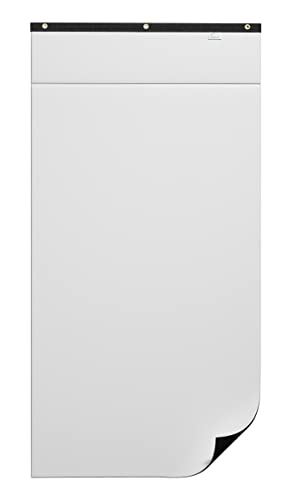
Audimute Sound Absorption Sheet | Sound Dampening Blanket – Soundproofing Sheet – Reduce Noise – Acoustic Foam Alternative | – (White)
[Superior Quality – Made in USA] — Durable and made of our proprietary sound absorption material, eco-C-tex, which…
As an affiliate, we earn on qualifying purchases.
As an affiliate, we earn on qualifying purchases.